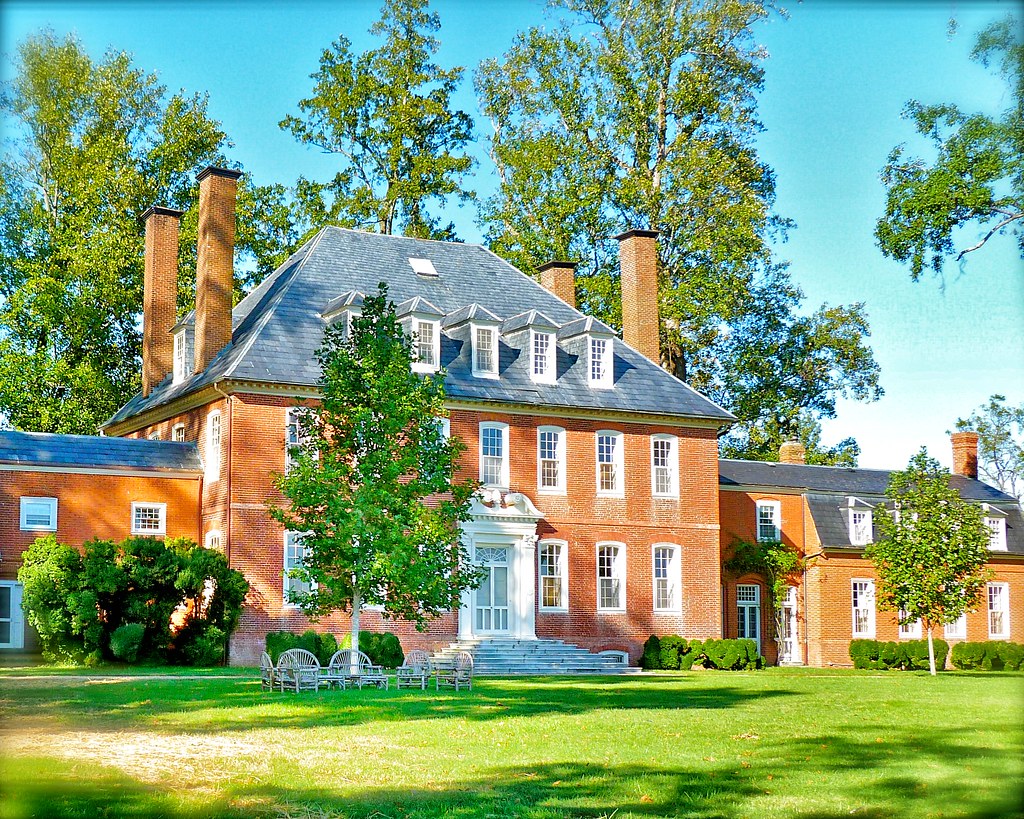
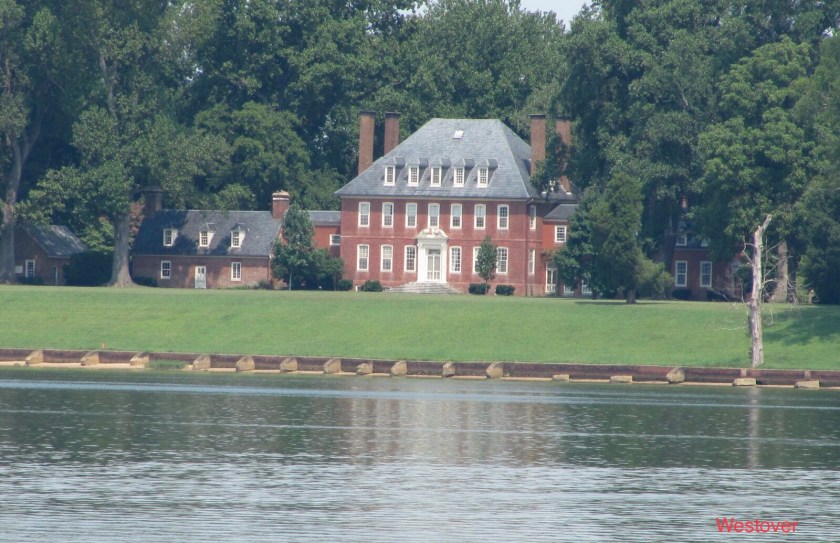
This house is one of my favorites. Something about the proportions of the central block is so satisfying to the eye not to mention the house’s lovely location on the banks of the James River. It’s not often when an architect and their client hit on the perfect combination of design, materials and execution but the unknown architect of Westover nailed it. Westover is located in Charles City County, Virginia, halfway between Williamsburg and Richmond. Westover is just one of several historic plantation homes in the area which date back to the 18th century. Some of these homes have never been sold and are still owned by the descendants of the builder. US presidents have been neighbors of Westover.
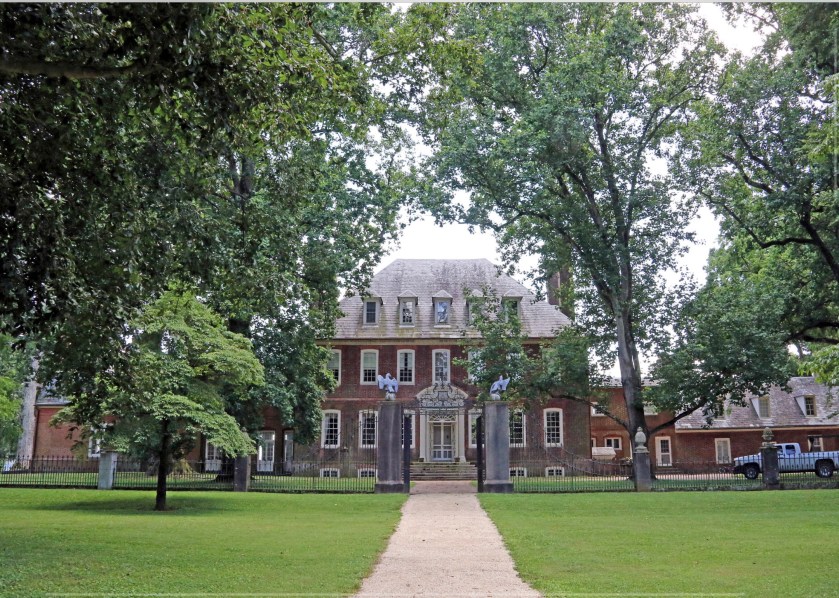
The Westover Plantation got its start in 1637 when the governor of the Virginia Colony granted 2,000 acres on the left bank of the James River to Thomas Pawlett who then sold to Theodorick Bland. The Blands subsequently sold to William Byrd I in 1688. It was William’s grandson, William Byrd III, who built the handsome Georgian style house that sits there today. The year when the house was completed is lost in the fog of history but it’s believed to be in the 1750s. The name Westover is a tribute to Henry West, 4th Baron De La Warr (where we get the name of Delaware) who was the son of the Colonial Governor of Virginia in 1610. The Byrd family is famous in Virginia for founding the capital city of Richmond and remained a force in Virginia politics right through the latter half of the 20th century. The Westover Plantation economy was built around tobacco cultivation partially fueled by slave labor up until the Civil War.
William the third lived a prodigious and imprudent life. In addition to building the mansion at Westover, he fathered 15 children and loved to gamble. It was these extravagances that eventually left him broke and despondent and he committed suicide in 1777. His widow, Mary, was forced to sell off family property in Richmond to cover expenses. During the American Revolution Mary tried to stay neutral but this only resulted in harassment from both sides. Westover was also the scene of further drama during the war when notorious traitor Benedict Arnold landed at Westover with a contingent of British troops bent on raiding nearby Richmond in 1781. General Arnold, whose wife was related to Mary, allegedly barged through the front door of Westover on his horse and hacked out a piece of the stairway bannister with his sword. The damage can still be seen today.
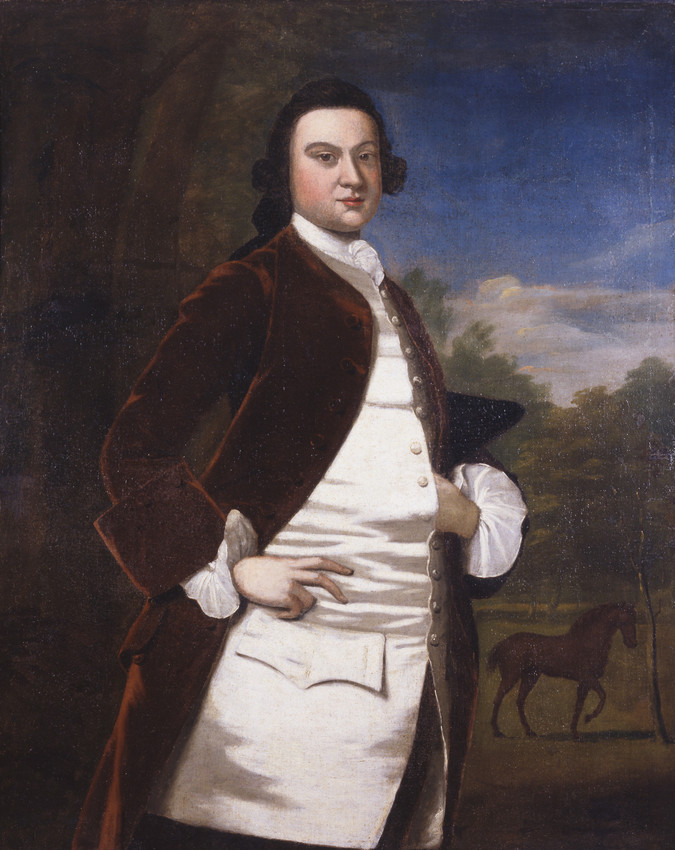

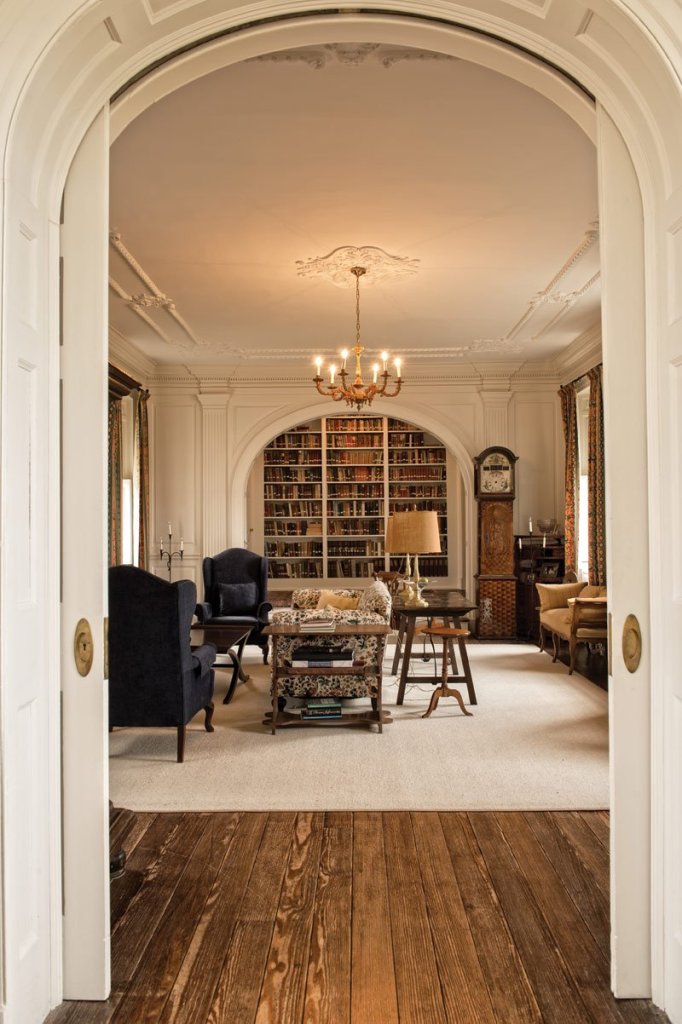
Mary Byrd continued to live at Westover until her death in 1814 after which the plantation was sold off by her children. Over the next 107 years, Westover went through several owners, typically members of other prominent Virginia dynasties such as the Seldens and the Carters. For a time, it was even back in Byrd family ownership in the personage of Claris Sears Ramsey. Ms. Ramsey was instrumental in rehabilitating Westover. The house had been in the path of the Union Army during the Civil War’s 1862 Peninsula Campaign and one of the two dependencies, containing the library, was hit by a cannon shell and burned to the ground. Ms. Ramsey rebuilt the dependency and connected both of them to the central block creating the continuous structure we see today.
By the way, for those readers unfamiliar with Tidewater Georgian architecture, dependencies were supplementary structures situated around the main residence. The dependencies were typically used for domestic functions that were unsuitable for the main living area such as cooking which was considered a fire hazard at the time. The dependencies could be connected to the main block of the house by enclosed hallways or breezeways (called hyphens) so that servants could transit between the residence’s main block and the service areas. In many traditional Georgian houses, there would two identical dependencies on either side of the main block connected by two hyphens, a design called a “five part Georgian home.”

Ms. Ramsey sold Westover to Richard Crane and his wife, Ellen Bruce Crane, in 1921. Mr. Crane was a scion of the Crane Company famous for its plumbing fixtures. Ellen’s family had lived on another Virginia plantation, Berry Hill. Mr. Crane was a philanthropist and diplomat and was the US ambassador to Czechoslovakia after the First World War. Alas, like the original builder of Westover, tranquility eluded Mr. Crane and he took his life at Westover in 1938. However, the third and fourth generation of his and Ellen’s descendants continue to live at Westover to the present day and the house has become a happier family home. Other than the Byrds themselves, the current period of family ownership is the longest in the estate’s history at 105 years and even exceeds the Byrd family’s tenure if you just count when the house was in existence.

Today, Westover Plantation continues to operate as an agricultural estate of more than 1,000 acres (although the agricultural land is leased out), hosts weddings, boards horses and is occasionally used as a filming location. Although the house is a private home, the gardens can be visited at any time and the house itself can be toured by reservation or during certain weekends in the summer (click here for more info). Surrounding the house are several acres of gardens, various Colonial-era outbuildings (including a subterranean tunnel for avoiding Indian attacks), and a parish church and cemetery which hold the remains of several previous owners including various members of the Byrd family. A meditative YouTube video showing scenes from Westover can be viewed here.
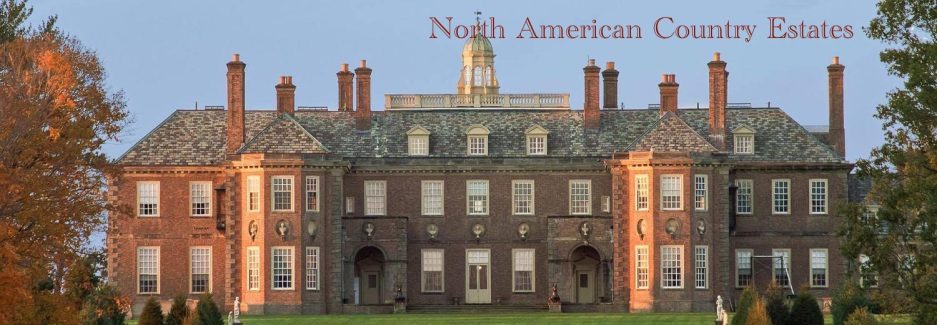
Notable nearby estates include Evelynton, which was originally a part of the Westover Plantation (click here for more on Evelynton), Berkeley Plantation and Shirley Plantation. Richard Crane’s uncle built another notable and architecturally significant estate covered in this blog, the Crane Estate (AKA Castle Hill) in Ipswich, Massachusetts (click here for more info).
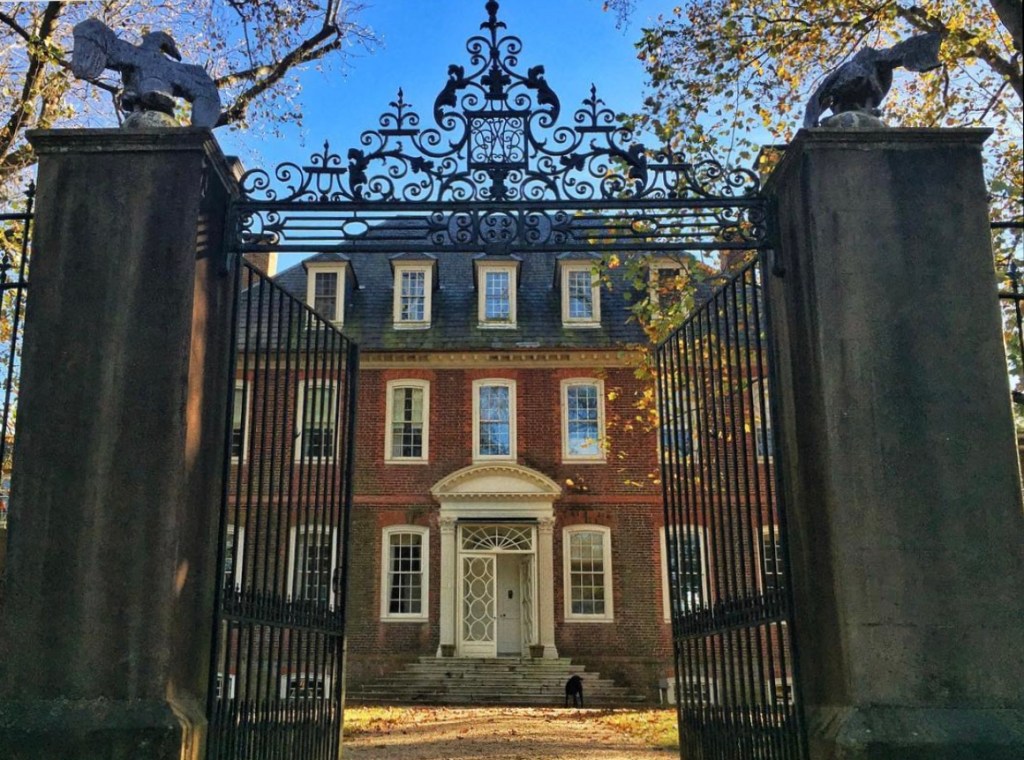
The distinctive design of Westover has been copied many times over the years but the copies are never as good as the original. Westover Plantation has had its ups and downs in its 270 year existence but it remains arguably the preeminent example of Georgian residential architecture in the United States, a national treasure of design and aesthetic.
 North American Country Estates
Nice house
LikeLike