Chilton

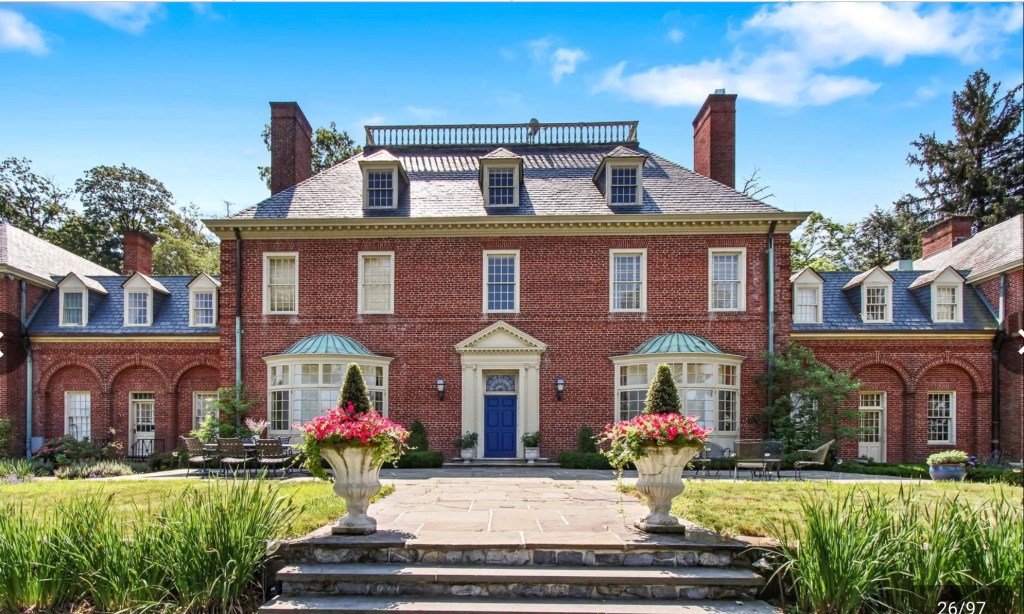
William Bottomley was one of the most accomplished American architects during the first half of the 20th century. His specialty was Georgian-revival homes and his work can be seen in many locations in the northeast but he is best known for the homes he designed in and around Richmond, Virginia. If you’re a fan of Georgian architecture and are in the Richmond area be sure to drive up and down Monument Avenue or in the Windsor Farms neighborhood west of town for an immersive experience in Georgian home design.

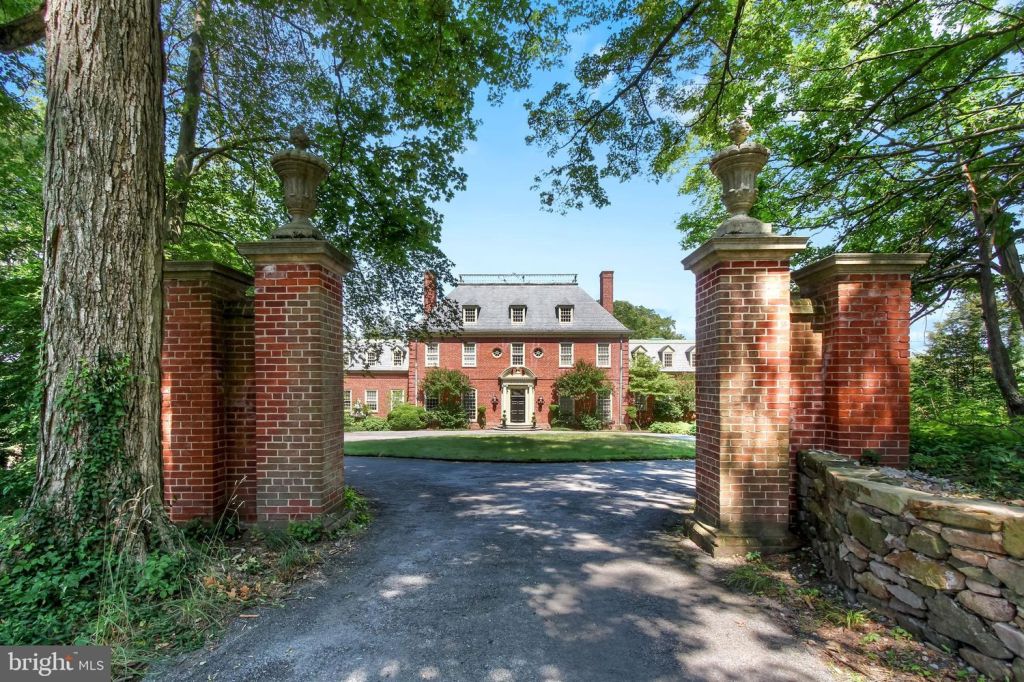
Just outside of Harrisburg, Pennsylvania is another Bottomley home dating from 1929 called Chilton. Chilton is 12,500 square feet and sits on a 104 acre estate. Until 2021 it was owned by Robert and Susan Mumma who were in the commercial real estate business. In 1990 they decided that Chilton would make a great golf course development with an 18-hole golf course and 350 homes and proposed this notion to Monaghan Township. The Township burghers disagreed so the Mummas attempted to create a separate borough (a type of municipality in Pennsylvania) out of their property and develop their project anyway. The trial court gave its stamp of approval but the Township appealed and the appellate court decided that a borough composed only of the three adults that were living on the 492 acres comprising Chilton at the time wasn’t viable. Eventually the Mummas threw in the towel and the property was sold in 2021.
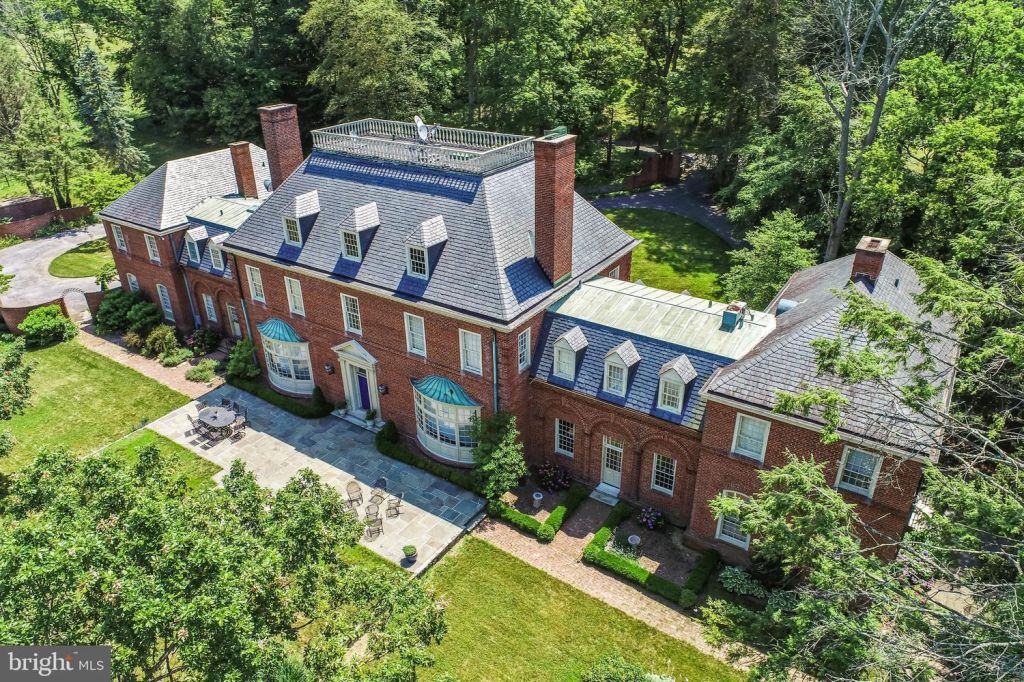
One of several William Bottomley commissions in the Windsor Farms neighborhood of Richmond, VA.

Click here for a YouTube video showing Chilton when it was recently on the market. For more examples of William Bottomley’s work in this blog click here for Rose Hill or here for Halfway House, both country houses in Virginia.
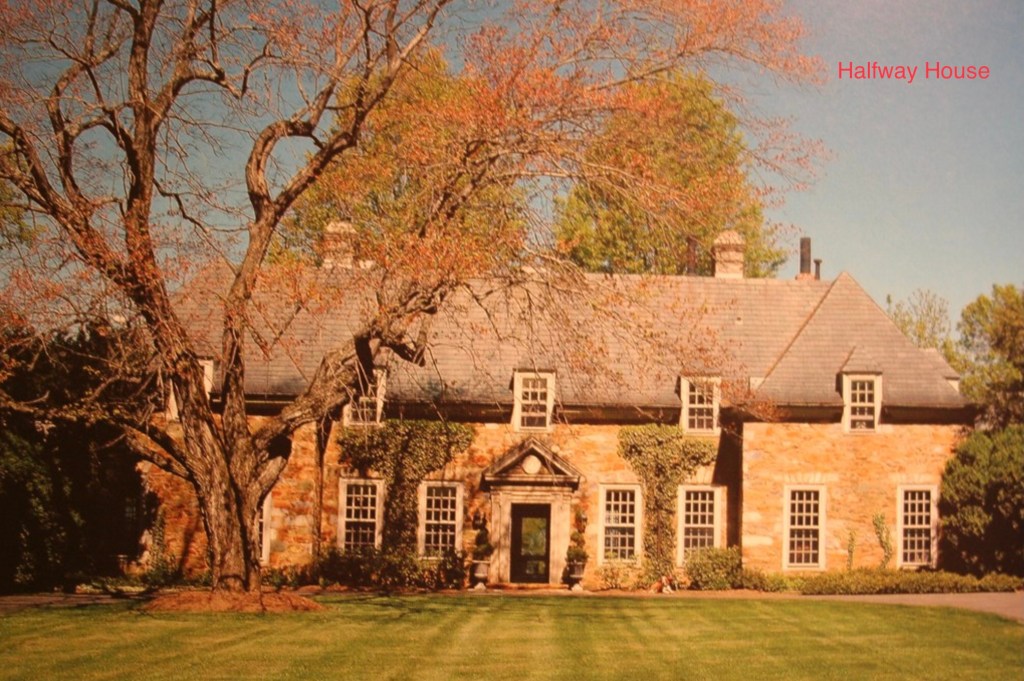
Halfway House

Entrance front

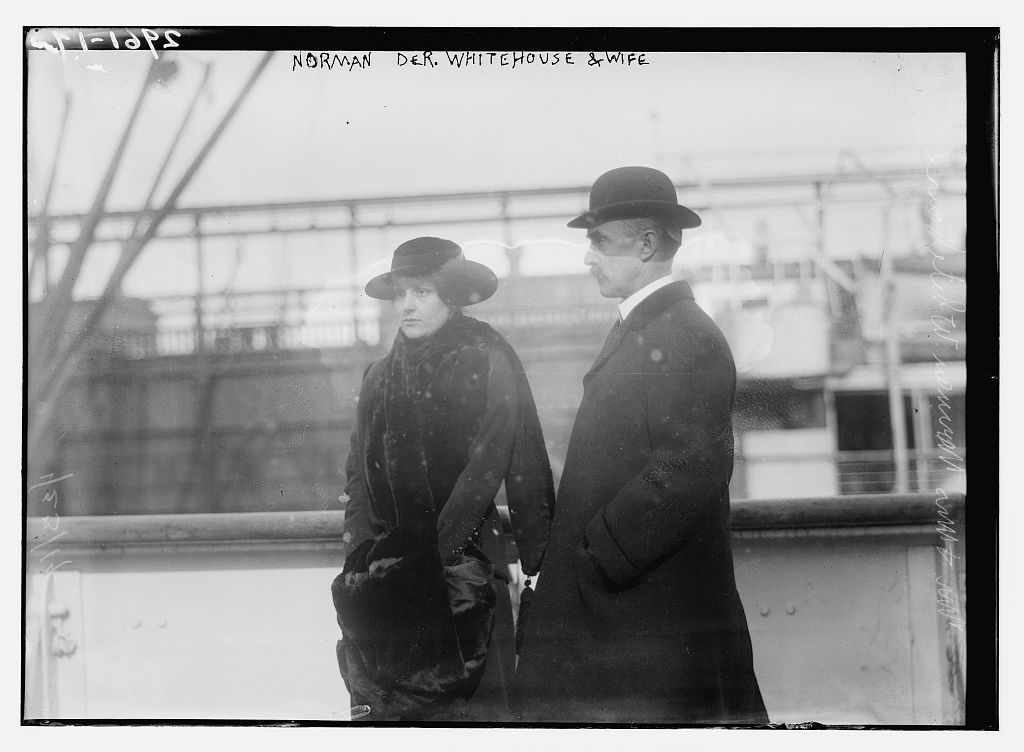
This is Halfway House which is conveniently located half way between Middleburg and The Plains in the Virginia Hunt Country west of Washington D.C. Halfway House was completed in 1934 to a design by William Bottomley, a Virginia-based architect who is responsible for many of the handsome Georgian-revival houses that grace the State (including Rose Hill and Chilton). Halfway House sits on a 571 acre estate and was built by James and Vira Whitehouse who also had homes in Newport, RI and New York City. James was a stockbroker and Vira was a suffragette and political activist. Today, Halfway House is owned by a former AOL Vice President named John Ayers and is now referred to as High Meadows Farm and is used for raising grass-fed cattle.

Design concept of Halfway House

The Virginia Hunt Country is famous as a country retreat for 1 percenters, horse farms, fox hunting and fine gardens. Just two miles west of Halfway House is another country estate covered in this blog, Wayside Manor (click here for more info). For more about the Virginia Hunt Country, click here.

James and Vera Whitehouse, the builders of Halfway House

Rose Hill

This is Rose Hill, an 11,000 square foot Georgian-revival house on a 410 acre estate in Greenwood, Virginia a few miles west of Charlottesville. The house was designed by William Bottomley who is credited with many Georgian masterpieces in the Old Dominion especially in the Richmond area (for other Bottomley homes in this blog click here for Half Way House or here for Chilton). The house was completed in 1930 for Susanne Williams Massie, the widow of a Richmond banker. In the early decades of the 20th century, some of Richmond’s elite established summer homes in the Greenwood area and Rose Hill is surrounded by several of these homes, most of which still exist. The area continues to be a rural enclave of historic estates, horses and gardens. One of these estates, Tiverton, which is just west of Rose Hill, is covered in this blog (click here).

Susanne passed away in 1952 and the home was purchased a few years later by Henry Bradley Martin. Mr. Martin was the grandson of Henry Phipps, a partner of Andrew Carnegie in the Carnegie Steel Corporation (later U.S. Steel). The Phipps family built several homes in the leafy suburb of Old Westbury, N.Y. on Long Island including what is arguably one of the most attractive homes in North America, Westbury House, now known as Old Westbury Gardens. The Phipps family took their steel money and put it into an investment firm called Bessemer Trust which pioneered the concept of a “family office”, a privately owned investment firm that serves the needs of a single wealthy family by investing, disbursing funds, minimizing tax liabilities, arranging private planes, getting the merc serviced, etc.

Westbury House AKA Old Westbury Gardens, a Phipps family home located in the town of Old Westbury on Long Island, NY

Henry was educated at Oxford University and served in North Africa during the Second World War as part the Office of Strategic Services (O.S.S.) the forerunner of the C.I.A. Henry was also a noted book collector who used Rose Hill to house his extensive collection which included the only privately owned copy of the original Declaration of Independence and an extensive collection of books on ornithology (i.e., the study of birds). Henry passed away in 1988 and left Rose Hill to his daughter, Alice Martin Takach. Alice and her husband, Stephen, use Rose Hill as a summer home. Rose Hill is a private home and is not open to the public.