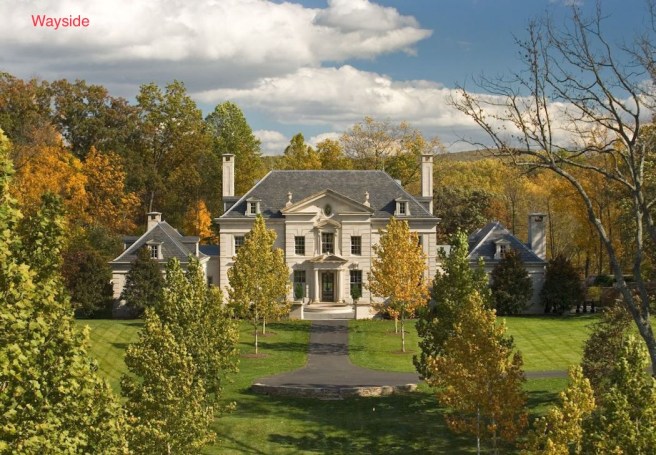
Wayside

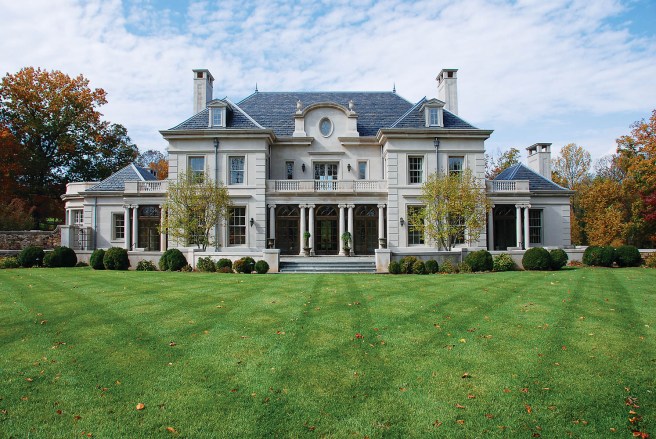
This is Wayside Manor, a 17,000 square foot neo-classical/palladian house completed in 2005 and sited on 100 acres in the Virginia Hunt Country near Middleburg, VA.  The house and landscaping was designed by the Washington D.C.-based firm of Franck & Lohsen. The property is owned by a D.C.-based developer who has built many office buildings for lobbying groups and associations over the years. The clients are big art collectors and lent their collection to the National Gallery of Art for exhibition while the house was being constructed.

If I’d been the client I would have gone with a different paving surface than asphalt (crushed rock?) and hidden the garages away but otherwise this is a great example of the New Classicism movement in residential architecture that started in Europe in the late 20th century after modernist and post-modernist schools ran their course. In the United States, interest in classical architecture was renewed in response to the destruction of classically-designed structures like New York City’s Pennsylvania Station. You don’t know what you’ve got until it’s gone when it comes to iconic buildings. Many architects on both sides of the Atlantic such as Quinlan Terry in the UK and Allan Greenberg in the US have pioneered a new appreciation and appetite for classically-designed houses that are every bit as fetching as the iconic country houses from the 17th or 18th centuries.
Just two miles east of Wayside is another interesting country house, Half Way House, covered in this blog (click here). Also, if you want to learn more about the Virginia Hunt Country and how they preserve its rural character, click here. Wayside Manor is a private home and not open to the public.

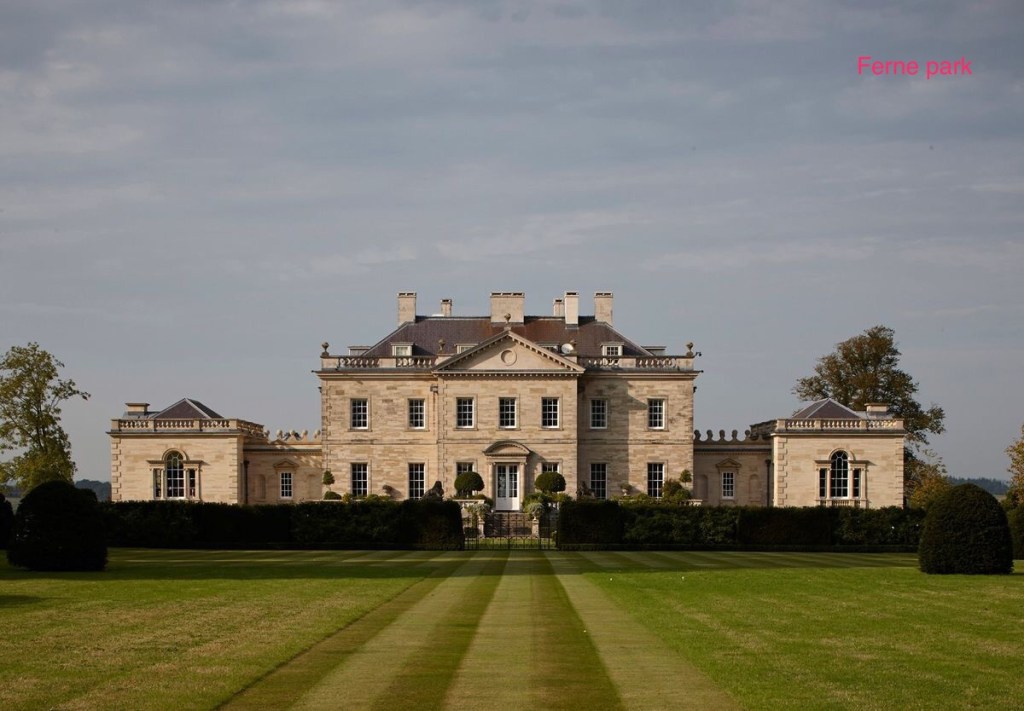
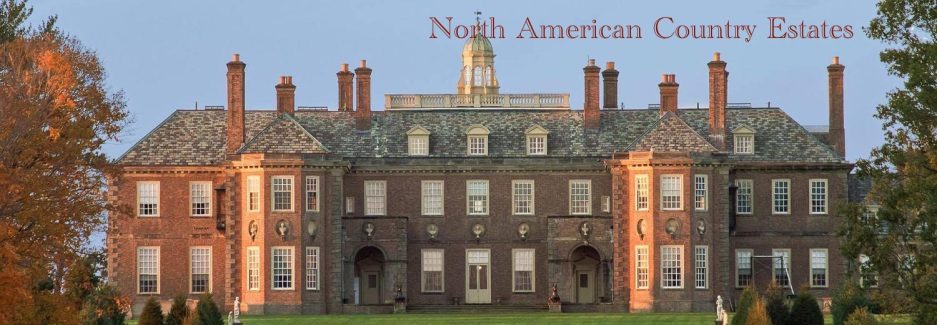
Ferne Park in Wiltshire, England. A great example of the new classicism trend in residential architecture (for those that can afford it). Designed by British architect, Quinlan Terry, the house was built in 2001 and may be the most impressive country house built in the world in the last half century.

Lochiel

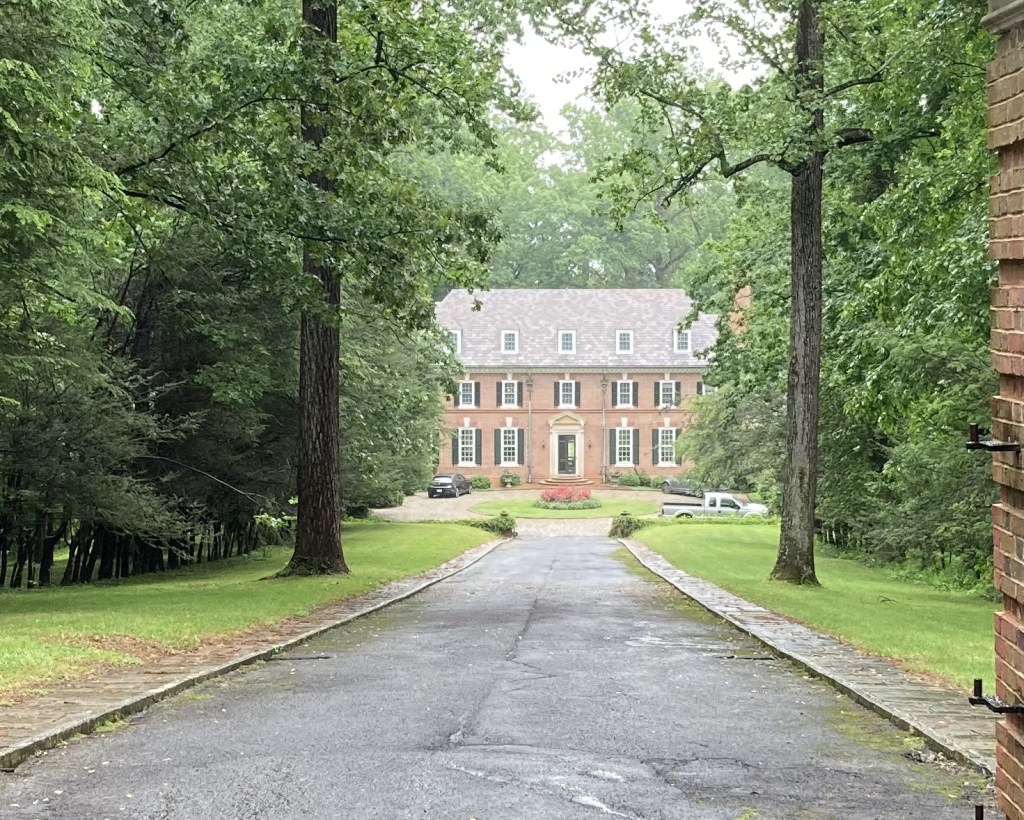
Current view of the entrance front

This beautiful, perfectly proportioned Georgian revival house is known as Lochiel (low-HEEL). For correct pronunciation, say the “ch” like you’re trying to cough up a hair that is stuck in your throat. Lochiel is located near Gordonsville, Virginia on a 76 acre estate. It was designed by the New York architect Percy Griffin. The landscape design was produced by Charles Gillette of Richmond, VA. Mr. Gillette is responsible for many notable landscape designs in Virginia including Verulam (click here) and Tiverton (click here). Lochiel refers to a place in Scotland that was the home of the chieftain of the Cameron clan, whose descendants were responsible for building this house. The design of Lochiel is unique in that the house is only one room deep. This provided cross breezes and sunlight no matter the day or time.

Garden front, 1935

Lochiel was commissioned by Flora Cameron, the daughter of Alexander Cameron, a Richmond tobacco products manufacturer. Flora had been living in the nearby Gaston Hall with her husband, George Zinn, but after they divorced in 1913, Flora built Lochiel on the grounds of the Cameron family estate. Flora and George were remarried in 1926 but George died three years later followed by their son and only child, George Jr., a year after that (plane crash). Fun fact about Flora: one of her uncles was the son of Confederate general Robert E. Lee. Flora lived until age 97 (64 of those years at Lochiel) passing away in 1980. Lochiel was sold for $750,000 in 1983 and since then has had a couple of owners. It appears that the present owners split their time between Virginia and the Virgin Islands (flying on Virgin Airways perhaps?). Lochiel is still a private home and is not open to the public.

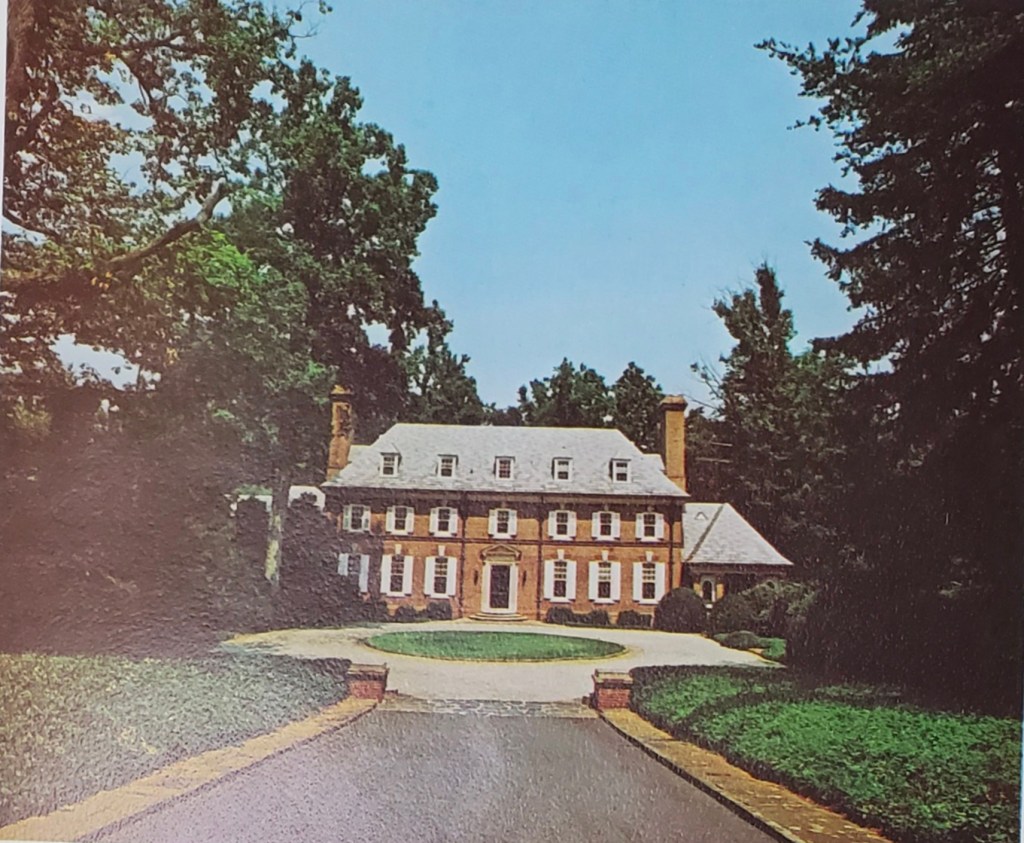
Entrance drive and front of house, 1981
Front of house, 1981
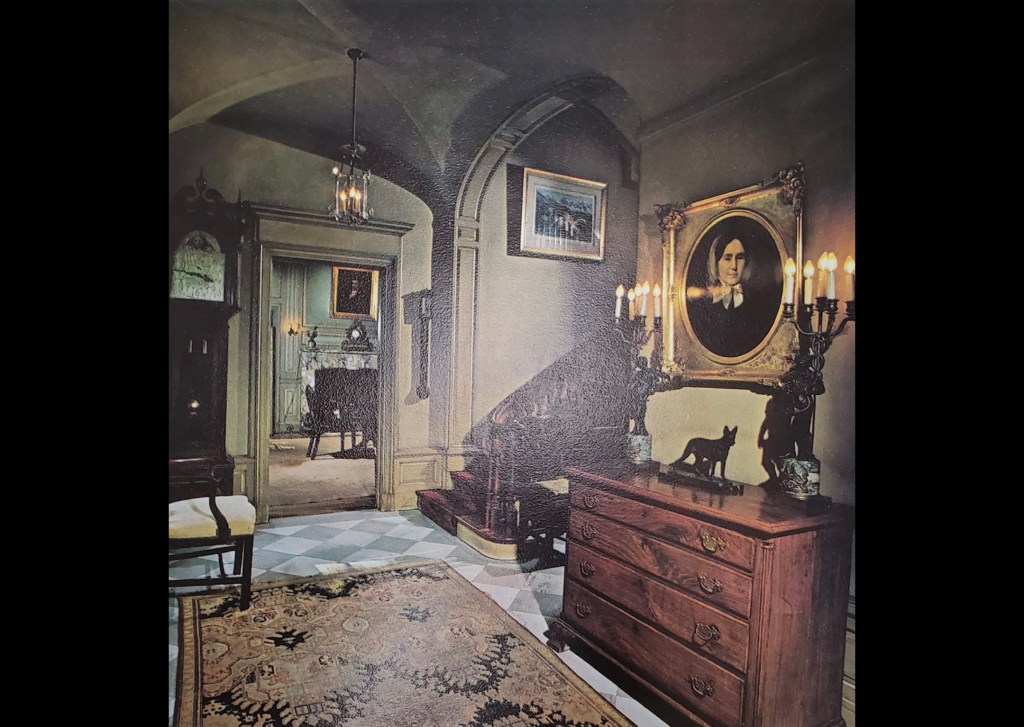
Entry hall, 1981
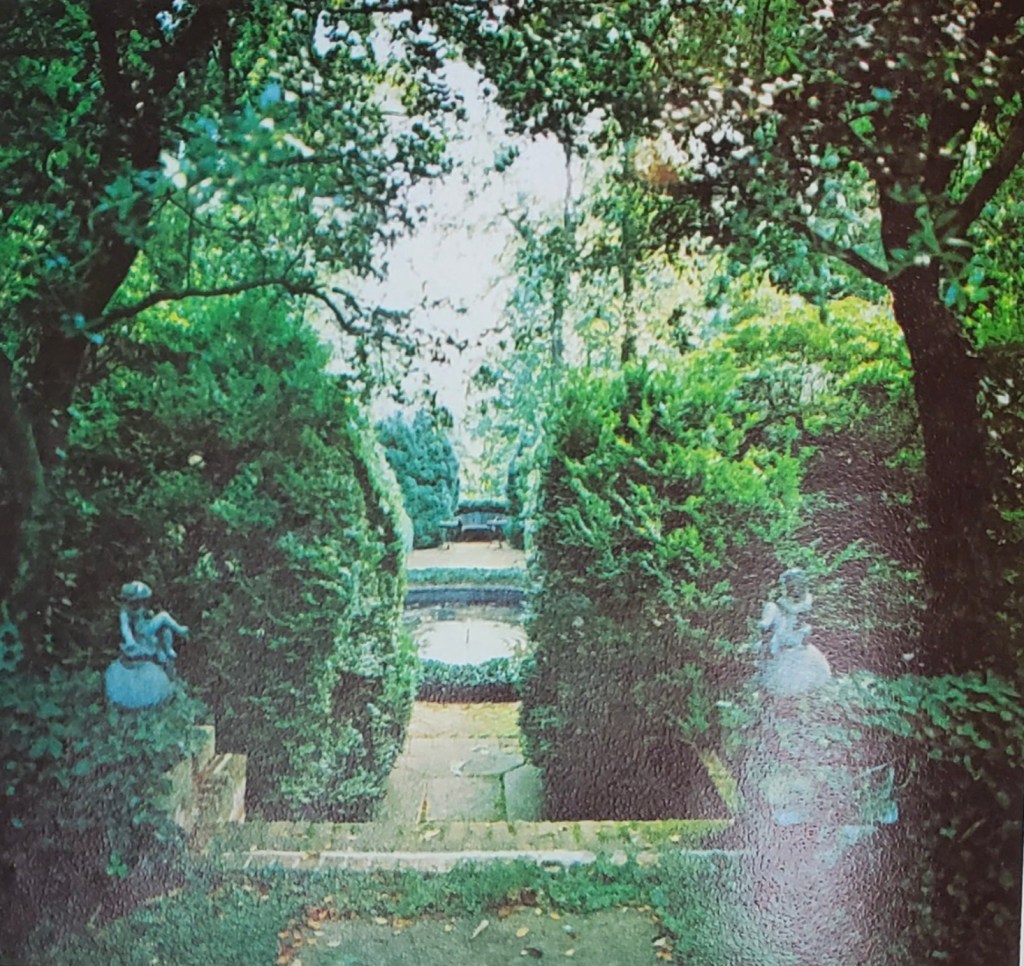
Formal gardens, 1981
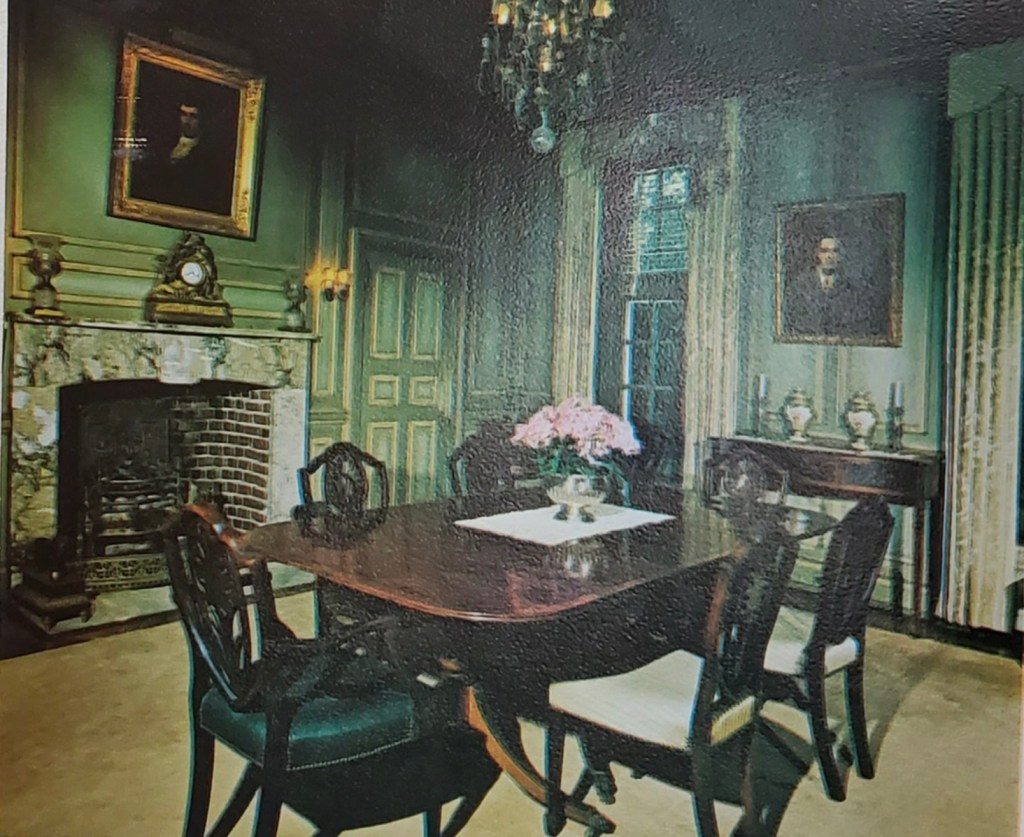
Dining room , 1981
View towards pastureland, 1981

Pictures courtesy of Orange County Historical Society and Dandridge Sterne