Chilton

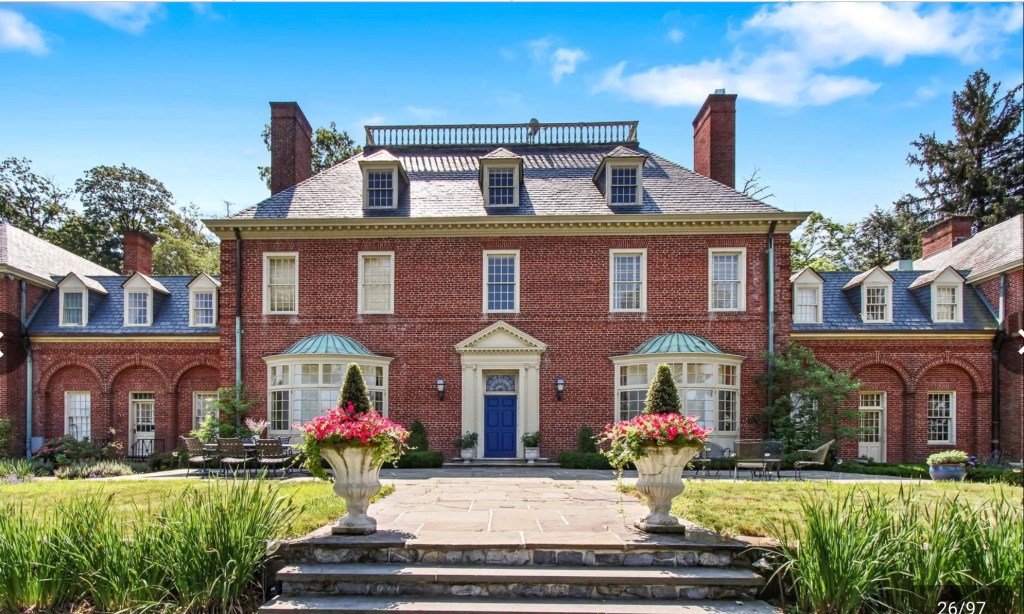
William Bottomley was one of the most accomplished American architects during the first half of the 20th century. His specialty was Georgian-revival homes and his work can be seen in many locations in the northeast but he is best known for the homes he designed in and around Richmond, Virginia. If you’re a fan of Georgian architecture and are in the Richmond area be sure to drive up and down Monument Avenue or in the Windsor Farms neighborhood west of town for an immersive experience in Georgian home design.

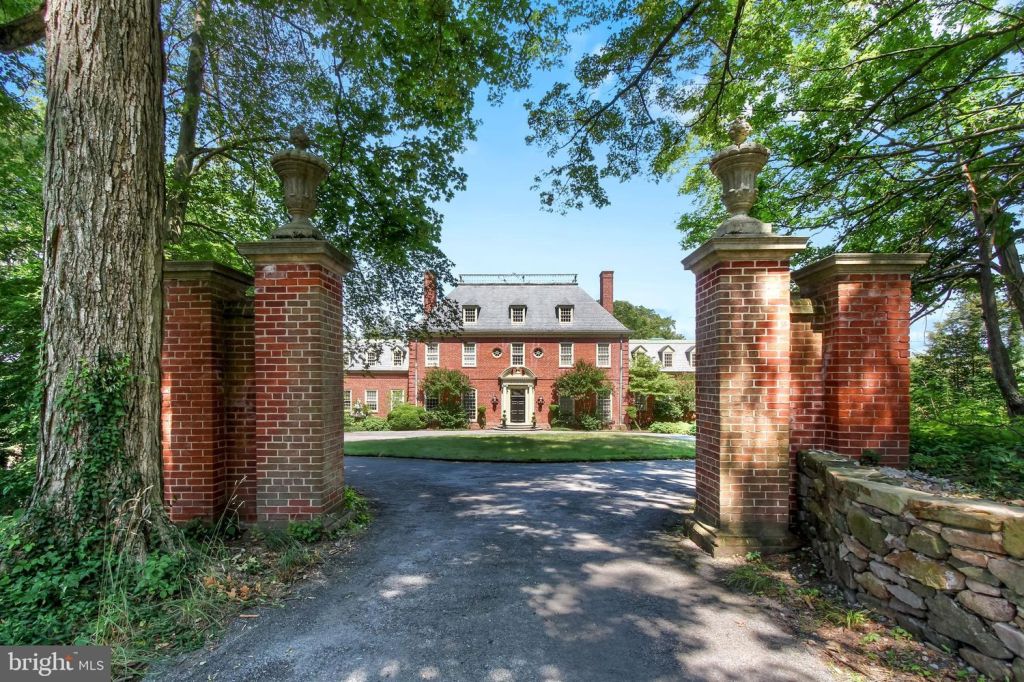
Just outside of Harrisburg, Pennsylvania is another Bottomley home dating from 1929 called Chilton. Chilton is 12,500 square feet and sits on a 104 acre estate. Until 2021 it was owned by Robert and Susan Mumma who were in the commercial real estate business. In 1990 they decided that Chilton would make a great golf course development with an 18-hole golf course and 350 homes and proposed this notion to Monaghan Township. The Township burghers disagreed so the Mummas attempted to create a separate borough (a type of municipality in Pennsylvania) out of their property and develop their project anyway. The trial court gave its stamp of approval but the Township appealed and the appellate court decided that a borough composed only of the three adults that were living on the 492 acres comprising Chilton at the time wasn’t viable. Eventually the Mummas threw in the towel and the property was sold in 2021.
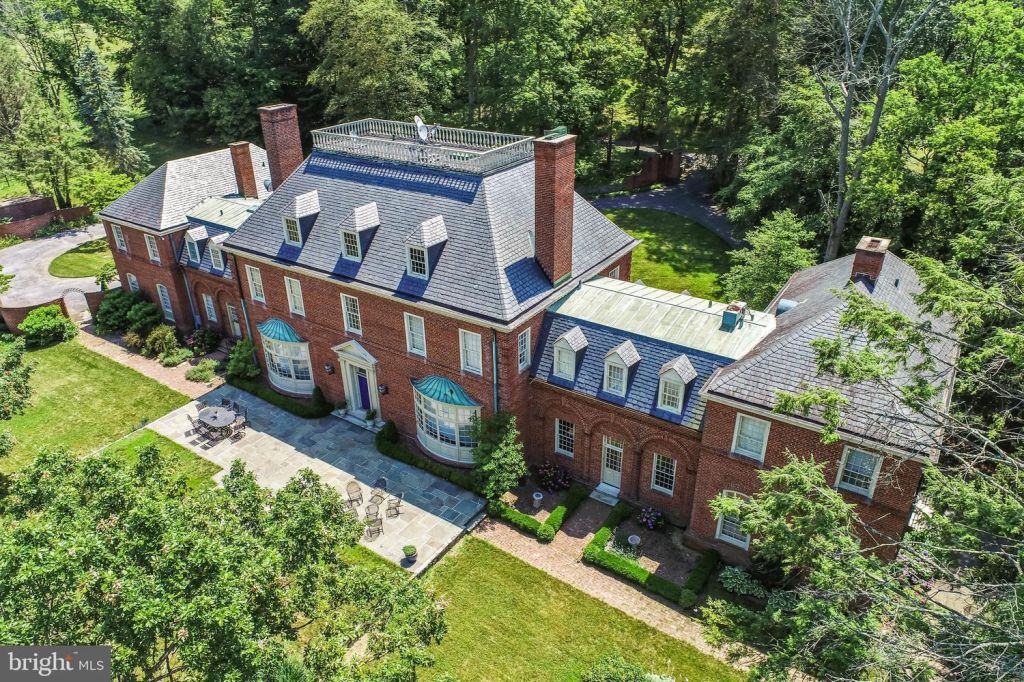
One of several William Bottomley commissions in the Windsor Farms neighborhood of Richmond, VA.

Click here for a YouTube video showing Chilton when it was recently on the market. For more examples of William Bottomley’s work in this blog click here for Rose Hill or here for Halfway House, both country houses in Virginia.

Grey Towers

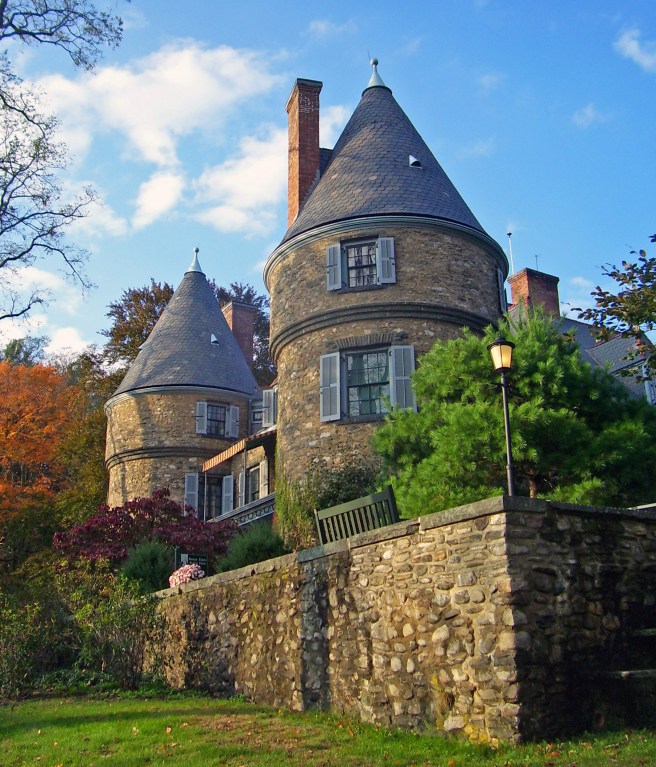
This French Norman-style house is Grey Towers.  It sits on a 102 acre estate outside Milford, Pennsylvania.  It was built in 1886 by James Pinchot, a successful New York City wallpaper merchant and his wife, Mary. James grew up in Milford and moved back after retiring from business to raise his family.  The house was designed by Richard Morris Hunt (who designed many gilded age mansions such as Biltmore) and the grounds included contributions by Frederick Law Olmsted, the most influential American landscape architect of the 19th century.  

The Pinchots lived at Grey Towers for many years before James passed away in 1908 followed by Mary in 1914. The Grey Towers estate was split between their sons, Amos and Gifford with the latter taking the house. Gifford was a graduate of Yale University with a degree in forestry and also studied forestry in France. His first job after returning from France was managing the forests on the Biltmore Estate, the North Carolina home of George Washington Vanderbilt. He attracted the attention of Presidents William McKinley and Theodore Roosevelt who appointed him as the first head of the U.S. Forest Service. In this role, Pinchot was a staunch conservation advocate and fought against the industrial forestry practices that characterized the Forest Service during most of the 20th century.

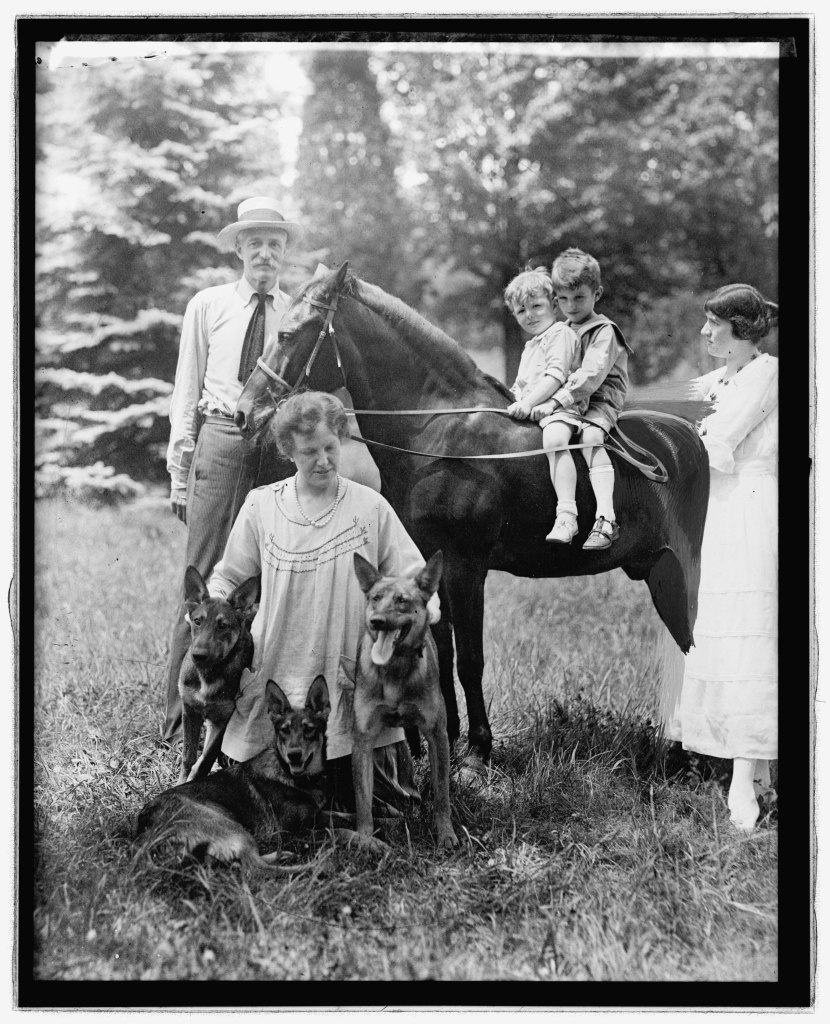
The Pinchots at Grey Towers, 1921

After leaving the Forest Service in 1910, Gifford served as Governor of Pennsylvania for two terms. Cornelia was active in the women’s suffrage movement and was a major donor to the NAACP. She was a close friend of Teddy Roosevelt and shared his passion for progressive causes. She also tried her hand at politics but was unsuccessful in runs for Congress and the Pennsylvania Governorship. The Pinchot family used Grey Towers mostly as a summer home. Gifford passed away in 1946 followed by Cornelia in 1960. Their son, Gifford Jr., donated Grey Towers to the U.S. Forest Service as a house museum and a conference/educational center focusing on conservation. Grey Towers is the only non-forest asset managed by the Forest Service. The house and gardens are open to the public on a daily basis. Click here for more info on Grey Towers or here for a YouTube video showing scenes from Grey Towers.

Gifford Pinchot’s legacy of forest stewardship lives on today. The Gifford Pinchot National Forest in Washington State is named after him along with several other natural and geographic features around the U.S. The Giffords son, Gifford Jr., helped found the Natural Resources Defense Council (NRDC), one of the preeminent environmental legal advocacy organizations in the U.S. today.