Halfway House

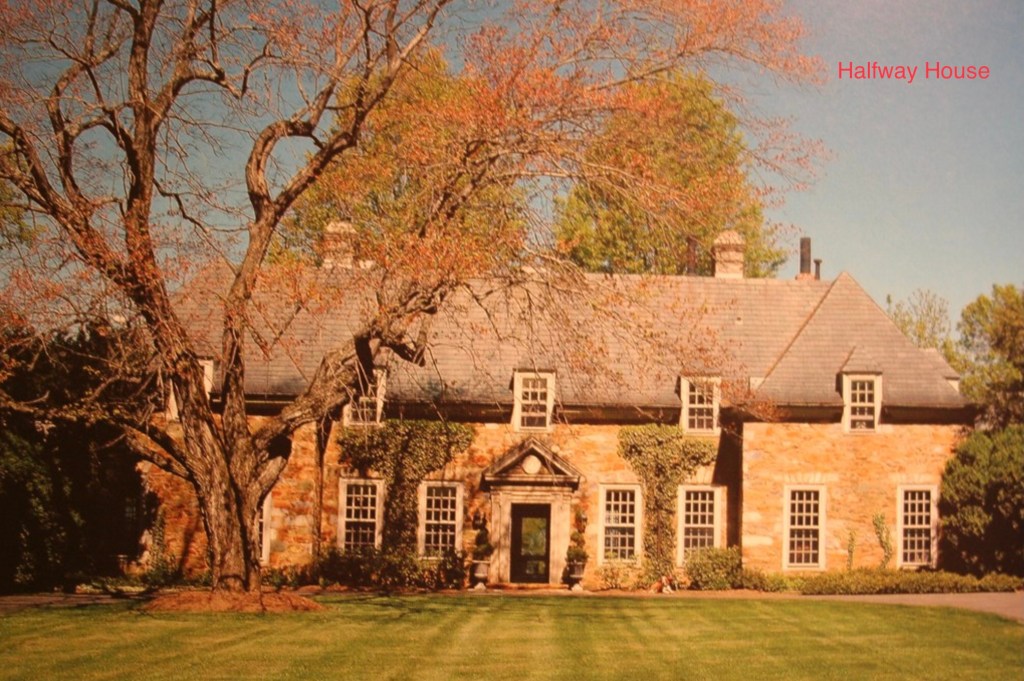
Entrance front

This is Halfway House which is conveniently located half way between Middleburg and The Plains in the Virginia Hunt Country west of Washington D.C. Halfway House was completed in 1934 to a design by William Bottomley, a Virginia-based architect who is responsible for many of the handsome Georgian-revival houses that grace the State (including Rose Hill and Chilton). Halfway House sits on a 571 acre estate and was built by James and Vira Whitehouse who also had homes in Newport, RI and New York City. James was a stockbroker and Vira was a suffragette and political activist. Today, Halfway House is owned by a former AOL Vice President named John Ayers and is now referred to as High Meadows Farm and is used for raising grass-fed cattle.

Design concept of Halfway House

The Virginia Hunt Country is famous as a country retreat for 1 percenters, horse farms, fox hunting and fine gardens. Just two miles west of Halfway House is another country estate covered in this blog, Wayside Manor (click here for more info). For more about the Virginia Hunt Country, click here.
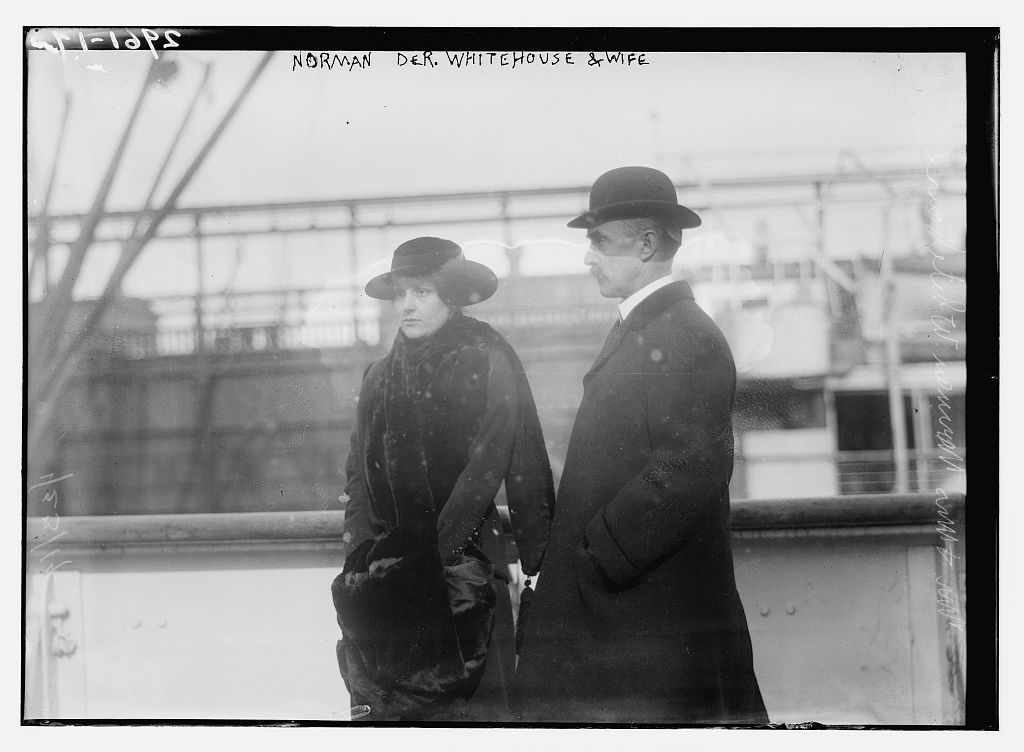
James and Vera Whitehouse, the builders of Halfway House

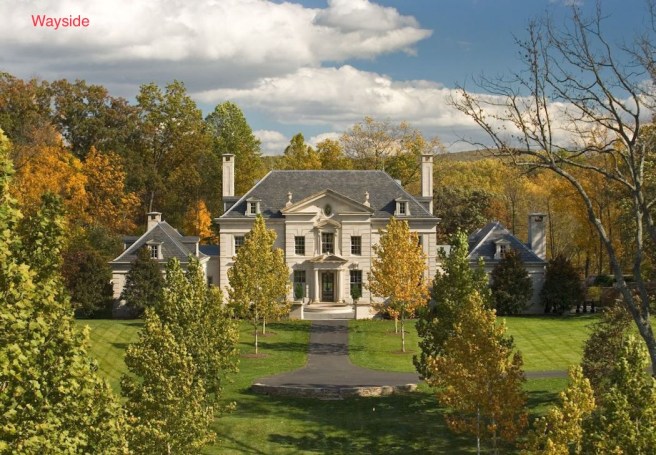
Wayside

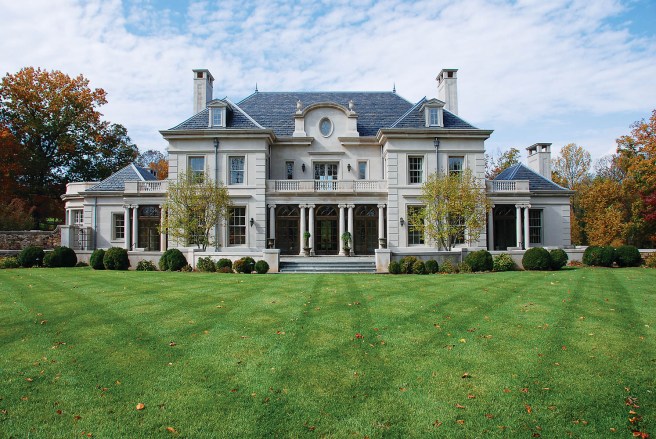
This is Wayside Manor, a 17,000 square foot neo-classical/palladian house completed in 2005 and sited on 100 acres in the Virginia Hunt Country near Middleburg, VA.  The house and landscaping was designed by the Washington D.C.-based firm of Franck & Lohsen. The property is owned by a D.C.-based developer who has built many office buildings for lobbying groups and associations over the years. The clients are big art collectors and lent their collection to the National Gallery of Art for exhibition while the house was being constructed.

If I’d been the client I would have gone with a different paving surface than asphalt (crushed rock?) and hidden the garages away but otherwise this is a great example of the New Classicism movement in residential architecture that started in Europe in the late 20th century after modernist and post-modernist schools ran their course. In the United States, interest in classical architecture was renewed in response to the destruction of classically-designed structures like New York City’s Pennsylvania Station. You don’t know what you’ve got until it’s gone when it comes to iconic buildings. Many architects on both sides of the Atlantic such as Quinlan Terry in the UK and Allan Greenberg in the US have pioneered a new appreciation and appetite for classically-designed houses that are every bit as fetching as the iconic country houses from the 17th or 18th centuries.

Just two miles east of Wayside is another interesting country house, Half Way House, covered in this blog (click here). Also, if you want to learn more about the Virginia Hunt Country and how they preserve its rural character, click here. Wayside Manor is a private home and not open to the public.

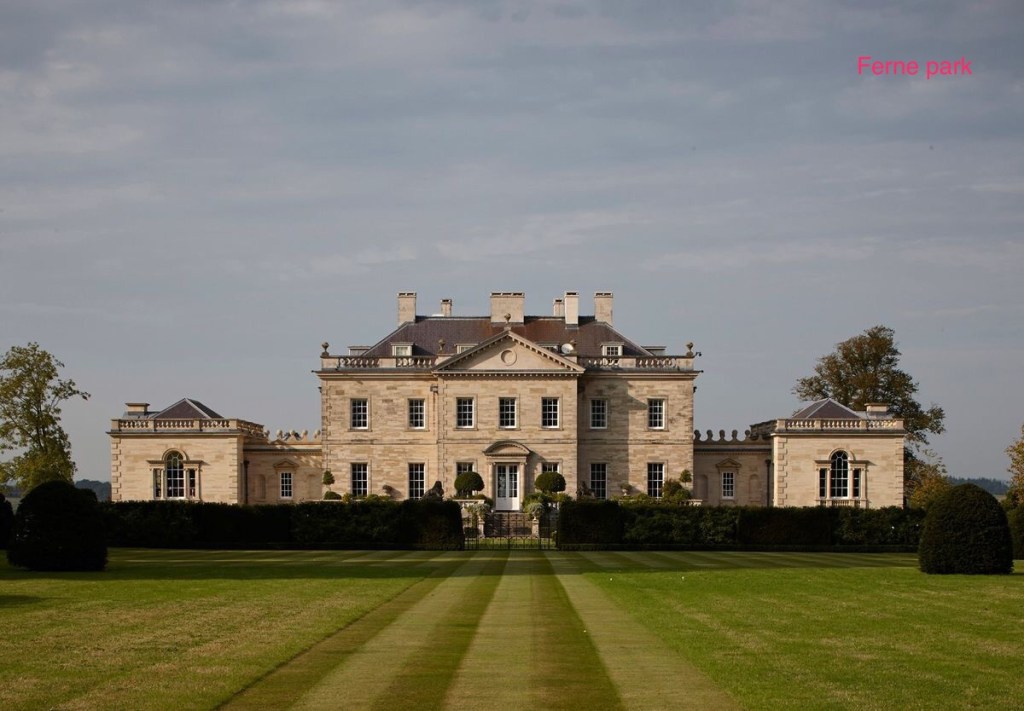
Ferne Park in Wiltshire, England. A great example of the new classicism trend in residential architecture (for those that can afford it). Designed by British architect, Quinlan Terry, the house was built in 2001 and may be the most impressive country house built in the world in the last half century.