Rose Hill

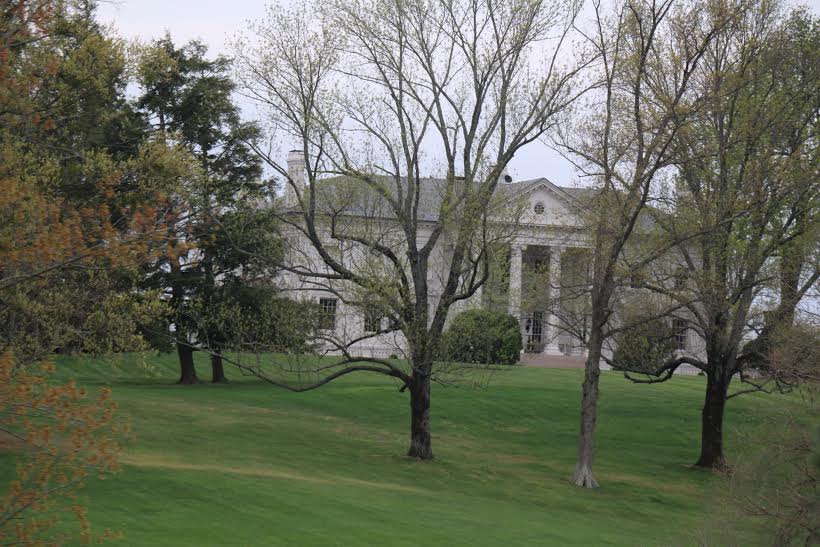
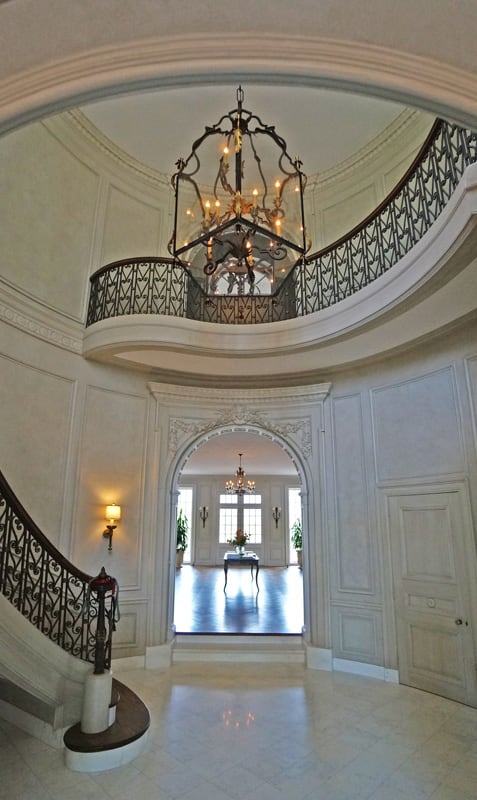
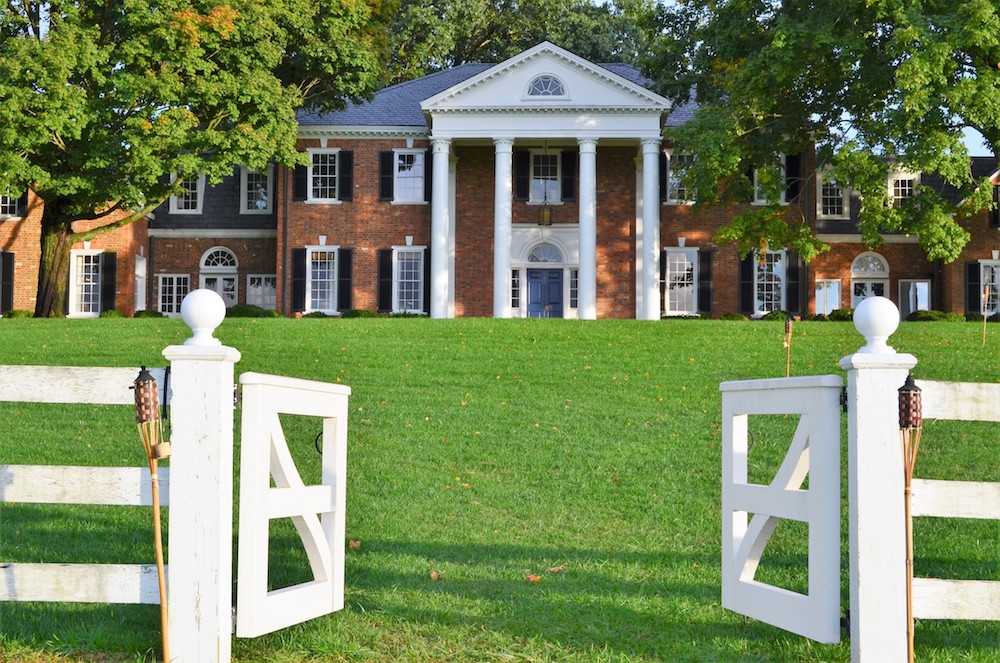
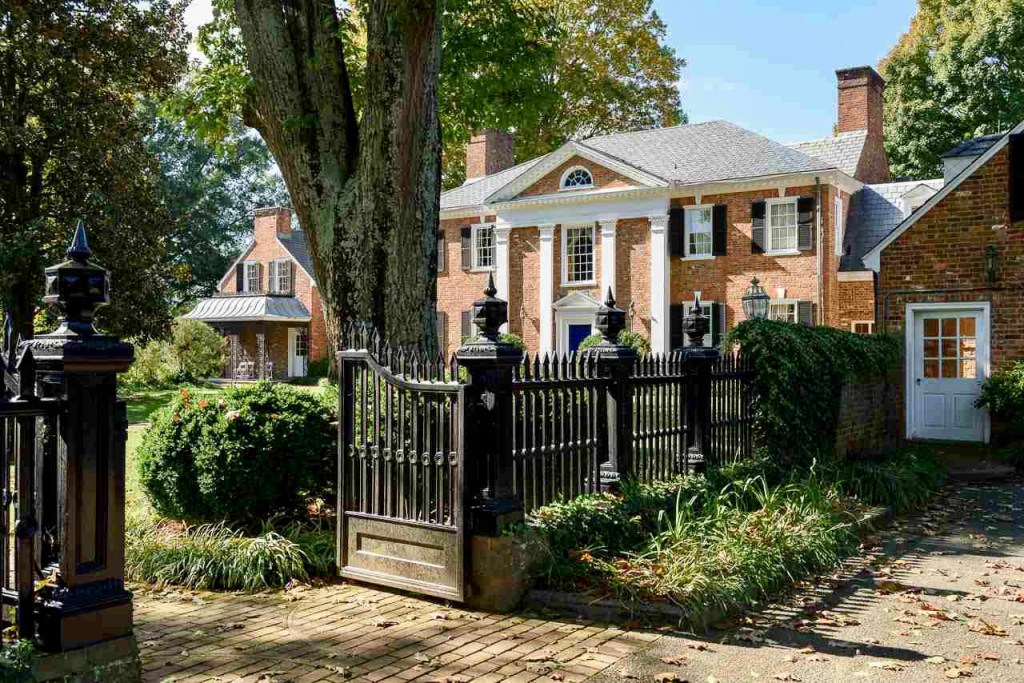
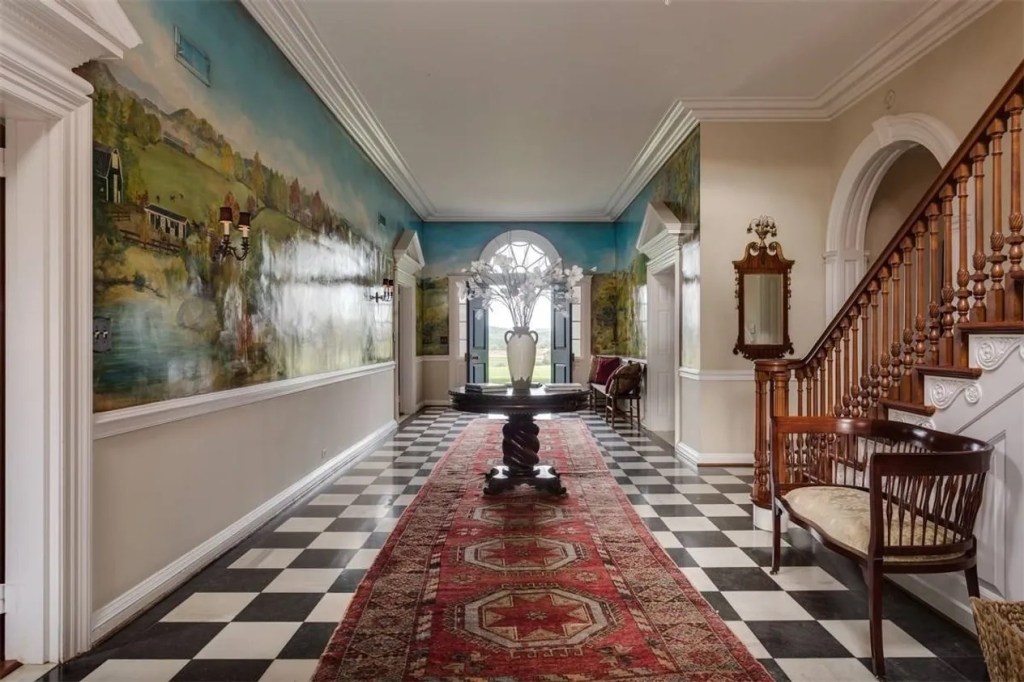
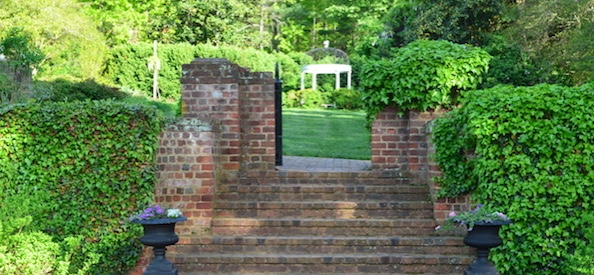
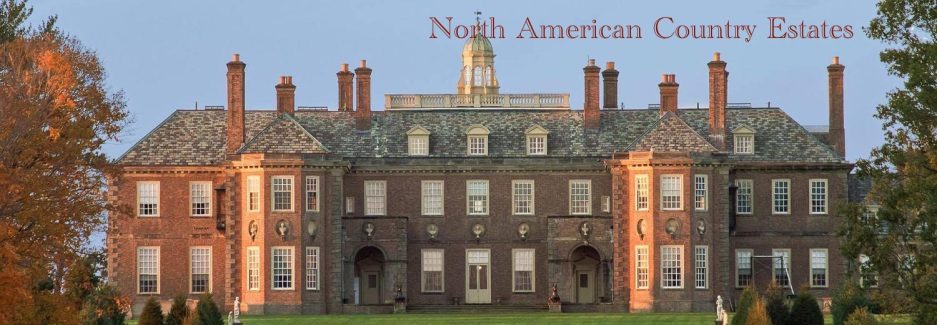
This is Rose Hill, an 11,000 square foot Georgian-revival house on a 410 acre estate in Greenwood, Virginia a few miles west of Charlottesville. The house was designed by William Bottomley who is credited with many Georgian masterpieces in the Old Dominion especially in the Richmond area (for other Bottomley homes in this blog click here for Half Way House or here for Chilton). The house was completed in 1930 for Susanne Williams Massie, the widow of a Richmond banker. In the early decades of the 20th century, some of Richmond’s elite established summer homes in the Greenwood area and Rose Hill is surrounded by several of these homes, most of which still exist. The area continues to be a rural enclave of historic estates, horses and gardens. One of these estates, Tiverton, which is just west of Rose Hill, is covered in this blog (click here).

Susanne passed away in 1952 and the home was purchased a few years later by Henry Bradley Martin. Mr. Martin was the grandson of Henry Phipps, a partner of Andrew Carnegie in the Carnegie Steel Corporation (later U.S. Steel). The Phipps family built several homes in the leafy suburb of Old Westbury, N.Y. on Long Island including what is arguably one of the most attractive homes in North America, Westbury House, now known as Old Westbury Gardens. The Phipps family took their steel money and put it into an investment firm called Bessemer Trust which pioneered the concept of a “family office”, a privately owned investment firm that serves the needs of a single wealthy family by investing, disbursing funds, minimizing tax liabilities, arranging private planes, getting the merc serviced, etc.

Westbury House AKA Old Westbury Gardens, a Phipps family home located in the town of Old Westbury on Long Island, NY

Henry was educated at Oxford University and served in North Africa during the Second World War as part the Office of Strategic Services (O.S.S.) the forerunner of the C.I.A. Henry was also a noted book collector who used Rose Hill to house his extensive collection which included the only privately owned copy of the original Declaration of Independence and an extensive collection of books on ornithology (i.e., the study of birds). Henry passed away in 1988 and left Rose Hill to his daughter, Alice Martin Takach. Alice and her husband, Stephen, use Rose Hill as a summer home. Rose Hill is a private home and is not open to the public.

Tiverton

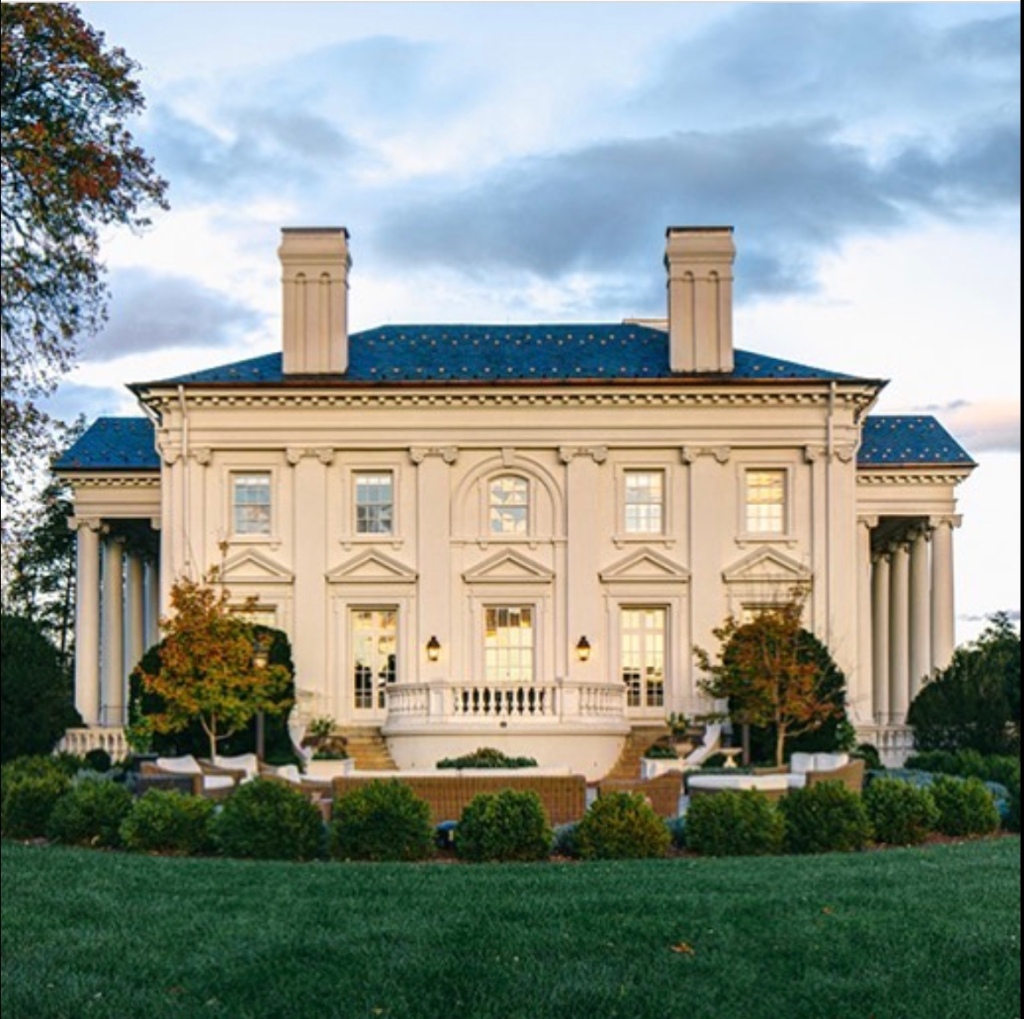
This house is Tiverton, a 19,000 square foot neoclassical mansion sitting on 460 acres in the hamlet of Greenwood, about 15 miles west of Charlottesville, Virginia. The property that would become Tiverton was purchased by Marie Ortman Boeing Owsley in 1900. Marie was originally from Austria and lived at Tiverton with her second husband, Dr. Frederic Dillard Owsley, a Chicago physician. The house was built by Frederic and completed in 1912. The identity of the architect is unknown. For some reason(s), between 1903 and 1919, Tiverton was sold, willed or transferred between members of the family multiple times. During this time period it was twice owned by Marie’s son from an earlier marriage, William Boeing, who would later go on to start Boeing Aircraft in Seattle.

Marie Ortman Boeing Owsley, the first owner of Tiverton

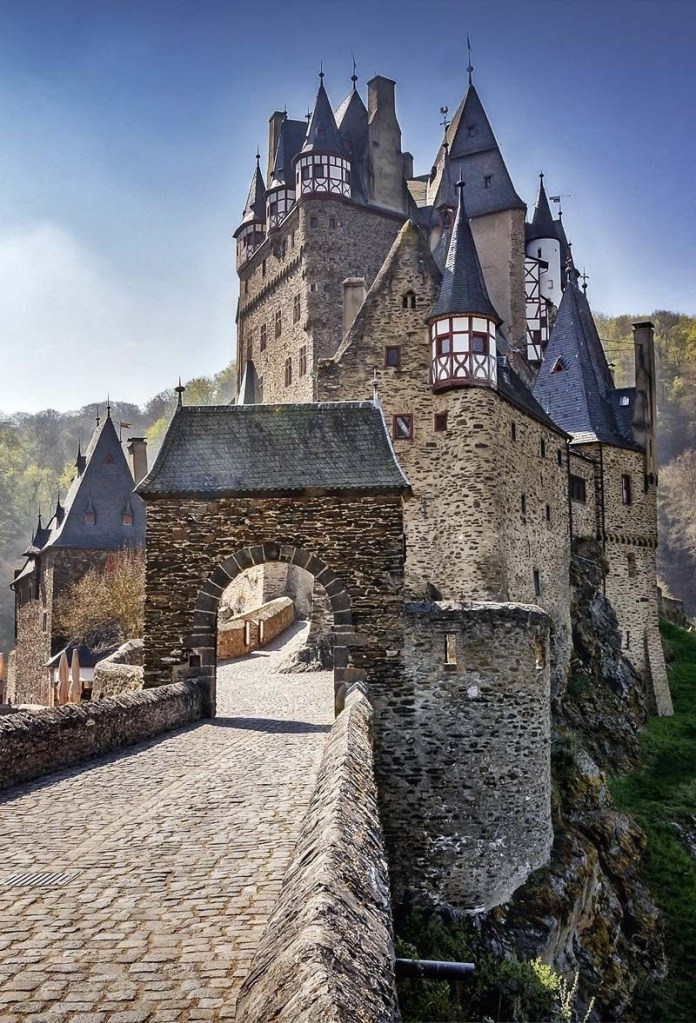
Marie died in 1910 and in 1919 the estate was bought outright by Frederic who by this time had also established a dairy operation at Tiverton. When it came to women, Frederic definitely had a type and that type was Austrian. In 1913, Frederic married another Austrian, Mariska Golgotzen, the Baroness Eltz from Vienna, Austria. The Eltz noble family originated in Germany in the 12th century and still has their seat at Burg Eltz, a castle on the Moselle River in Germany. In 1932, Tiverton was destroyed by fire leaving just the shell of the building. Frederic passed away the following year leaving the estate and burned out hulk to Mariska. The Baroness rebuilt Tiverton house to a similar design in 1935 using architect Carl Linder of Richmond. The formal gardens were redesigned by Virginia landscape architect Charles Gillette, who is renown for several gardens in the Old Dominion including a couple of country houses covered in this blog, Lochiel (click here) and Verulam (click here). One design element that the Baroness insisted on was a party room in the house complete with bar, dance floor and slot machines. The Baroness sold Tiverton in 1960 to Mike Hughey, a Florida businessman who owned gas stations. Mr. Hughey used it sparingly for the next 48 years and it slowly fell into disrepair, decay and weeds.

In 2008, Tiverton found a savior in Coran Capshaw. Mr. Capshaw had owned a bar in Charlottesville in the 1990s and signed up an unknown, local jam band to play in the pub. These unknown musicians called themselves the “Dave Matthews Band” and Mr. Capshaw has been managing them to worldwide fame ever since. He also owns a company that manages the careers and work of other musicians and artists such as Tim McGraw and Phish. He has also been involved in several property developments and renovations and owns several restaurants in Charlottesville. By the time he bought Tiverton, the house and grounds were in very poor condition but Mr. Capshaw embarked on extensive renovations (the second time for the house) and has brought the property back to life. The estate next door, Rose Hill, is also a looker and is covered in this blog (click here for more). Tiverton is a private home and is not open to the public.

Burg Eltz, the ancestral seat of the Eltz noble family

Verulam

Verulam (VAIR-u-lem) is a 12,000 square foot Georgian-revival manor house sited on a 500 acre estate of the same name a few miles west of Charlottesville, Virginia. The house was the creation of New York attorney Courtland Van Clief and his wife, Eleanor. Courtland descended from Virginia horse country gentry and Eleanor’s family was involved in the lumber business in Waco, Texas. The Van Cliefs retained the Virginia-based architect Marshall Wells and landscape designer Charles Gillette to design the house and grounds. Mr. Gillette was particularly renown for developing a formal style of garden that well-suited and accentuated the Georgian, colonial and neo-classical homes dotted around Virginia. Other examples of his work can be found at Lochiel (also covered in this blog here) and Tiverton (click here). Verulam was completed in 1946 and the Van Cliefs lived here and raised thoroughbred horses until 1962 when Courtland passed away.

Courtland and Eleanor made national headlines during their 1929 wedding in Buffalo, New York when nine armed robbers crashed a pre-wedding dinner at gunpoint and stole everyone’s jewelry and cash making off with $400,000 in loot. In news reports of the time the wedding guests chalked up the robbery to “dope fiends” which just shows that things haven’t changed much since the 1920s. The Van Cliefs were no strangers to nice houses. Courtland’s brother, Ray, bought and renovated the Rosecliff mansion in Newport, Rhode Island but was killed in an auto accident on his way to have dinner and spend his first night at the newly refurbished mansion.

The next proprietors of Verulam were John and Jane “Kitchie” Ewald. John and Kitchie met while they were both working for the Virginia Youth for Eisenhower in 1952. John was well schooled at Phillips Exeter Academy, Yale University and the University of Virginia Law School. Kitchie also attended law school at Georgetown University. The two legal eagles bought the estate in 1969 and, like the Van Cliefs, the Ewalds raised thoroughbred horses at Verulam and were well regarded in the Charlottesville community for their Christmas and children’s parties. During this time, Interstate 64 was completed through this section of Albemarle County effectively splitting up the Verulam estate and reducing its size from 1,700 acres to the present 500. Unfortunately, I-64 now drones away less than a quarter mile from Verulam.

John Ewald passed away in 1979 and Kitchie remarried in 1982 and then sold Verulam in 1986 to Peter Nielsen. Mr. Nielsen was a part-time resident and gentleman farmer who was in the software business. He, in turn, sold Verulam in 2002 to Melton McGuire and his wife, Heather. The McGuires were in the microbrewery business in Alexandria and raised Friesian horses at Verulam, worked at restoring the gardens and developed a party barn on the property to host weddings and other events. At some point, the McGuires split up but Melton stayed on a Verulam until 2021 when he tragically passed away at age 57. Verulam was then on the market for a few years finally selling for $6 million in February 2024 to a local attorney. The listing can still be viewed here. An upbeat YouTube video showing scenes from Verulam can be viewed here.

Footnote: The ring leader of the wedding party armed robbery was a Canadian named George Duke. Rather than a “dope fiend,” Mr. Duke was just a common criminal on the run from Canadian authorities. Mr. Duke and the rest of the robbers were caught and Duke spent 12 years in prison and was then deported back to Canada. Apparently scared straight, he found work as a lawnmower salesman, got married and eventually built up a major lawn mower distribution company in Ontario and grew wealthy enough to build a lakefront house near Toronto. Alas, the temptations of easy money, booze, guns and whoring were too strong to resist and Duke was eventually involved in the infamous heroin smuggling operation known as the French Connection that was later the subject of an Oscar-winning movie starring Gene Hackman.