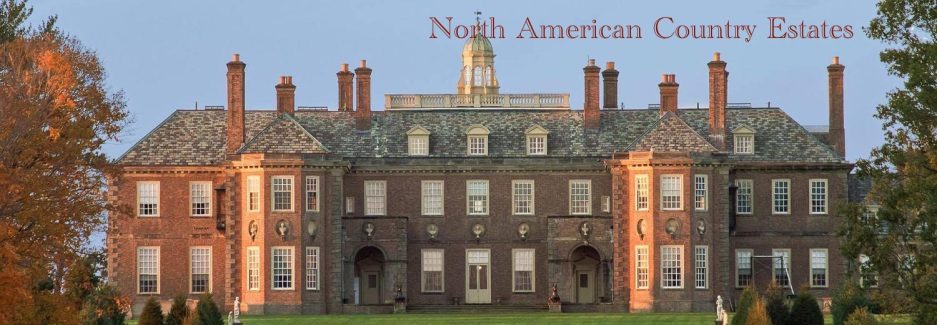
This post presents the top 9 country houses and their landscapes in North America as selected by our panel of experts. There aren’t that many true country houses in North America that embody the tradition that originated in Europe or were designed with those old-world classical architectural styles. In a contest that also encompassed Europe, the list would be dominated by architectural treasures like Chambord or Azay-le-Rideau in France or Castle Howard in England. But North America isn’t Europe. We have had different traditions and history regarding land ownership and political and economic structures so the built environment is going to look different. Plus we just don’t have as much history, period. But that doesn’t have to minimize the accomplishments of the gifted designers and enlightened owner/builders on this side of the Atlantic. Overall, North America doesn’t compare to Europe but it’s nothing to sneeze at either.
In addition to actually being in the countryside rather than the suburbs, judging criteria included aesthetically pleasing architectural design both in the house and the surrounding landscape, including proportion and scale, curb appeal (even though none of these properties are on a curb), decorative elements, how the curated landscape (i.e., gardens) complements the house and how the landscape blends with the surrounding environment. So without further ado, here are the top 9 country properties in North America. (Why 9 and not 10? If we all had 9 fingers instead of 10 no one would ask this question).

9th Place – Domaine Sagard
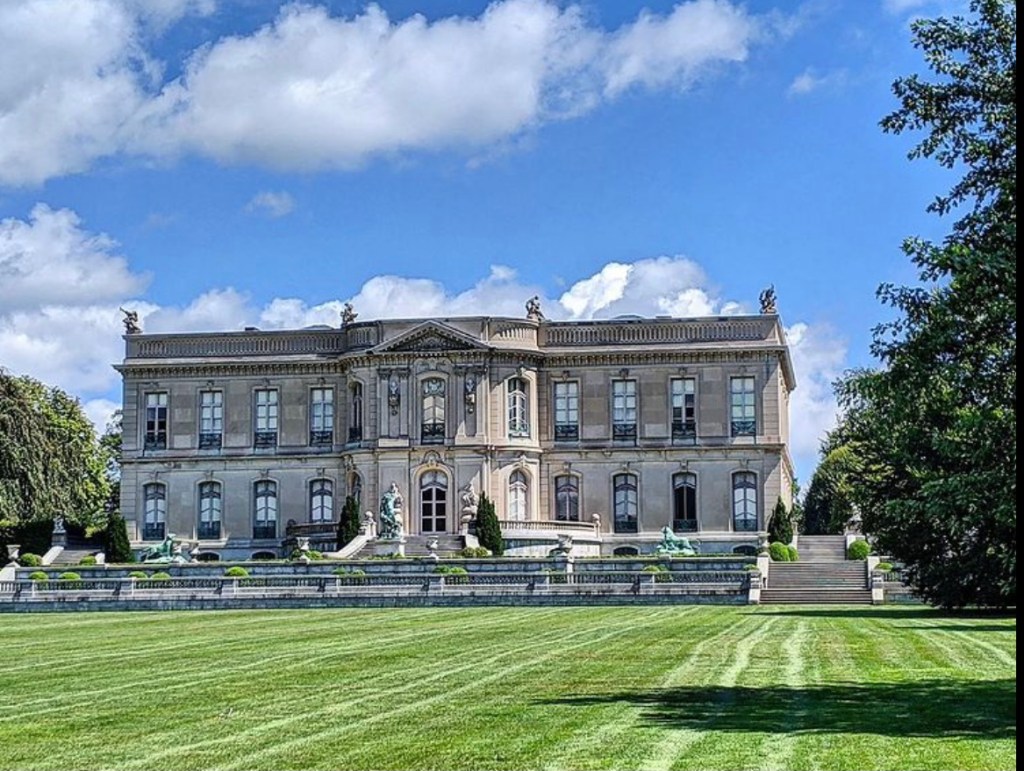
Domaine Sagard being on the ballot triggered arguments among the judges that almost resulted in fisticuffs. According to some of the judges, the remote and little-known Domaine Sagard, the only true palace in North America, clearly violated a key criteria that a country estate blend in with, and complement, the surrounding environment. Others said that while Domaine Sagard does stick out like a sore thumb in its current setting in Quebec, if you picked up Domaine Sagard, its formal gardens and out buildings and plopped it down in Virginia or somewhere else more sympathetic to its design, it would be a contender for 1st place. At any rate, the landlady got tired of the shouting and told us to shut up so Domaine Sagard, which isn’t located near anything, squeaked into 9th place as a compromise. For more on Domaine Sagard, click here.

8th Place – Lochiel
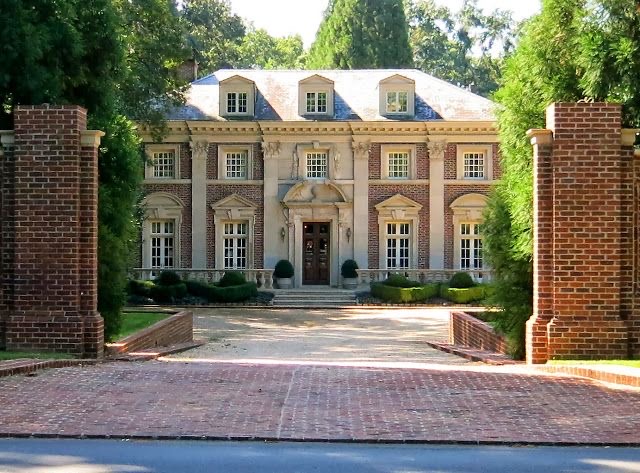
When Lochiel, which is just outside Gordonsville, Virginia, appeared on the ballot, most of our judges had never heard of it. However, little-known Lochiel won them over with its nice proportions and scale, restrained yet good-looking Georgian details such as the keystones over the windows, mellow brick construction, the row of dormers, and the beautiful setting. For more on Lochiel, click here.
7th Place – Wayside Manor
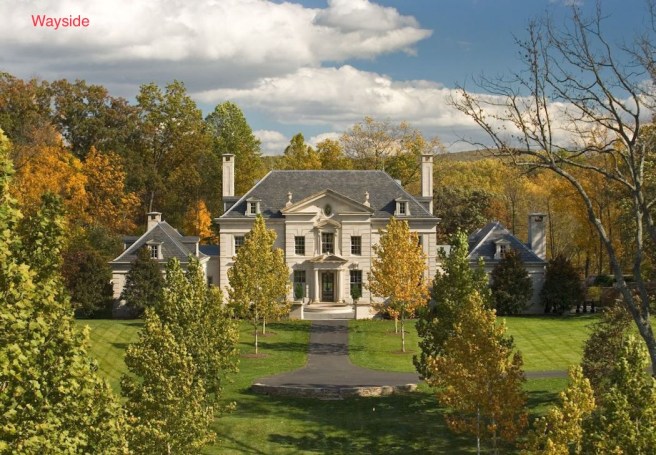
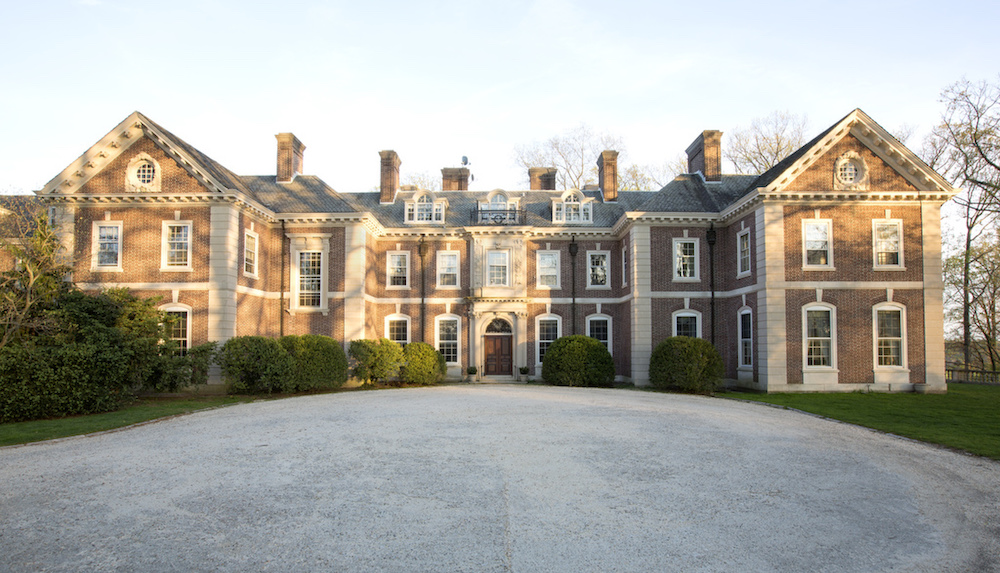
One of three recent builds on this list, Wayside Manor sits in Virginia’s Hunt Country near Middleburg. Judges liked the new-classicism lines and symmetry of the house, with the flanking tall chimneys, the double pediment in the central bay topped by an oculus and the projecting central block providing visual interest. The sympathetic landscaping placed this house squarely in Virginia’s bucolic countryside. They tried to ignore the asphalt driveway. For more on Wayside, click here.
6th Place – Twin Maples
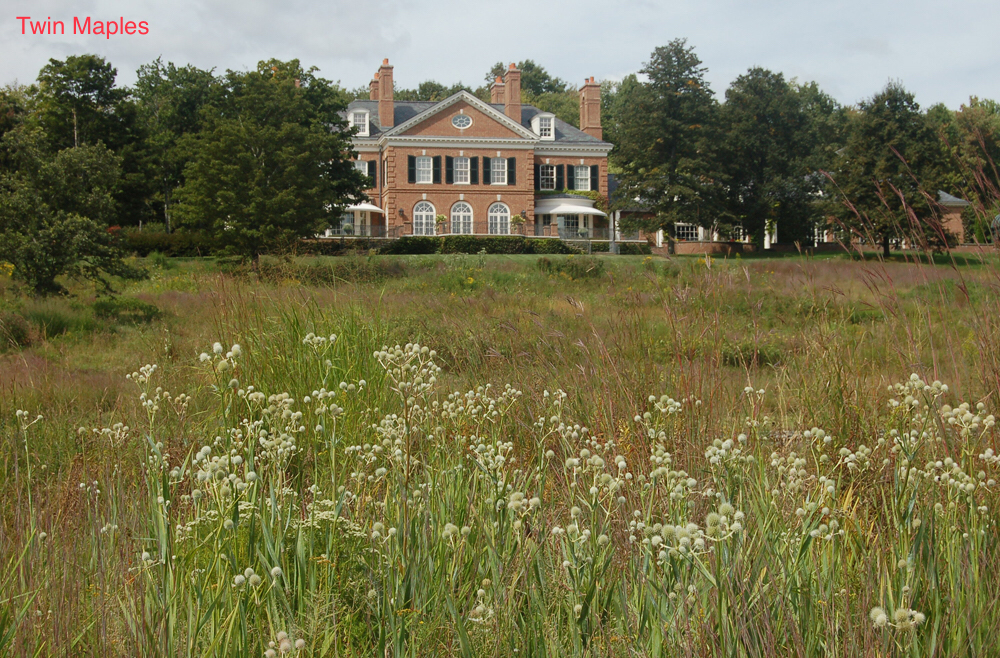
The Georgian-revival design of the house at Twin Maples ticked all the boxes especially the nice proportions, the ground floor arched windows, the brick quoins and other decorative elements. The incredible gardens and landscaping which stretch for many acres around the house such as the curated wildflower meadow make this house easy on the eyes. Bonus points for being situated in northern Litchfield County, Connecticut near the impossibly cute town of Salisbury, an area so beautiful it should be illegal. For more on Twin Maples, click here.
5th Place – Monticello
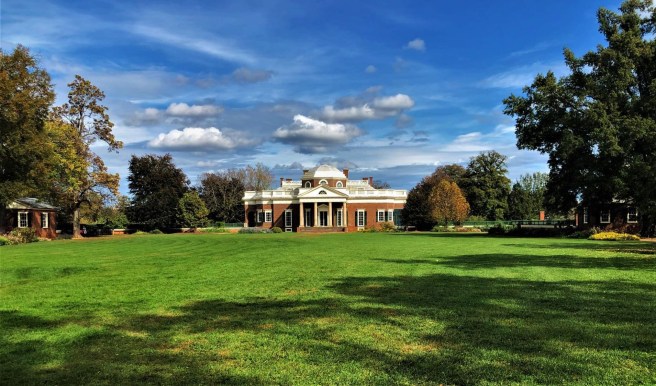
Monticello still made the ballot as a country “house” even if no one has lived in it since the 1920s. If any of you still remember when you went through the house as a kid during a family vacation, it looks exactly like it would have when Thomas Jefferson lived there. A unanimous selection for the top 9, Monticello scored well for its unique fusion of Palladian and Neo-classical design, mountain-top setting, arguably the coolest vegetable garden in North America and the fact that it’s the only house which is featured on American money. For more on Monticello, click here.
4th Place – Crane Estate
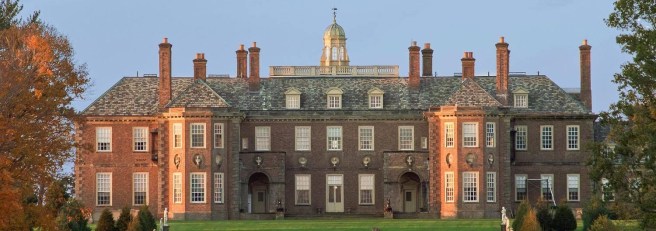
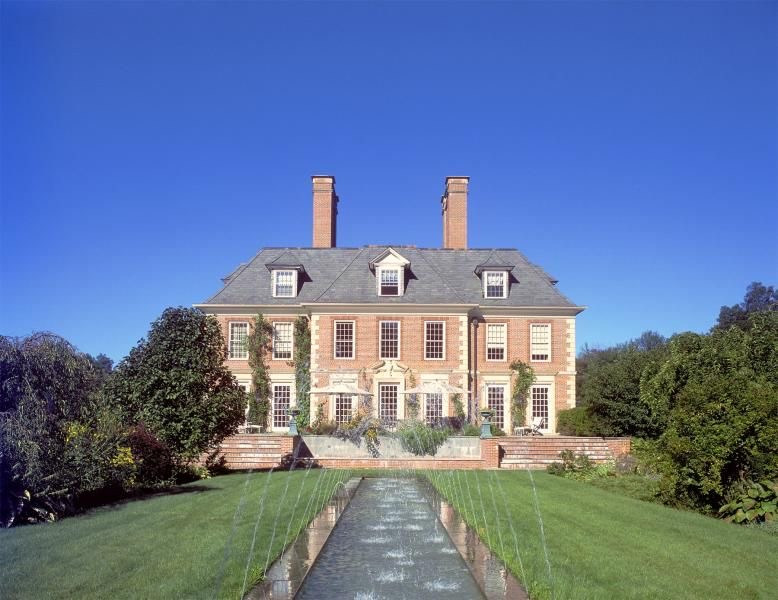
What’s not to like about the Crane Estate (AKA Castle Hill) which is just outside Ipswich, Massachusetts. It won unanimous praise from the judges for its English Baroque design, nice symmetry and the cupola crowning the house was called out as a particularly nice touch. The house also features a tree-lined, grassy grand allee which frames a view of the Atlantic Ocean from the garden front of the house. The gardens at the Crane Estate continue to undergo restoration by the non-profit that owns the house so we’re thinking it may move up even higher in future contests. For more on the Crane Estate, click here.

3rd Place – Westover
The oldest house to make the Top 9 (and also the longest lived-in house at 260+ years), Westover, which sits on the James River east of Richmond, Virginia, is frequently cited as the most beautiful house in America so it’s not just our panel of judges who say so. The list of compliments thrown at Westover is long. It’s hard to design a house this big and also make it elegant, light and welcoming but the perfect proportions of Westover do just that. This is all the more remarkable when you consider that no one knows who the architect was and some suspect it was William Byrd II, who owned the property in the mid-18th century, but was not a trained architect (although it was his son that actually built the house). For more on Westover, click here.
2nd Place – High Lawn
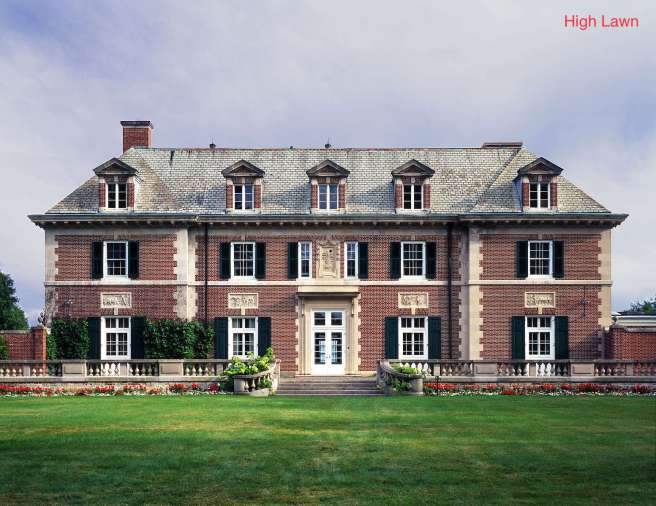
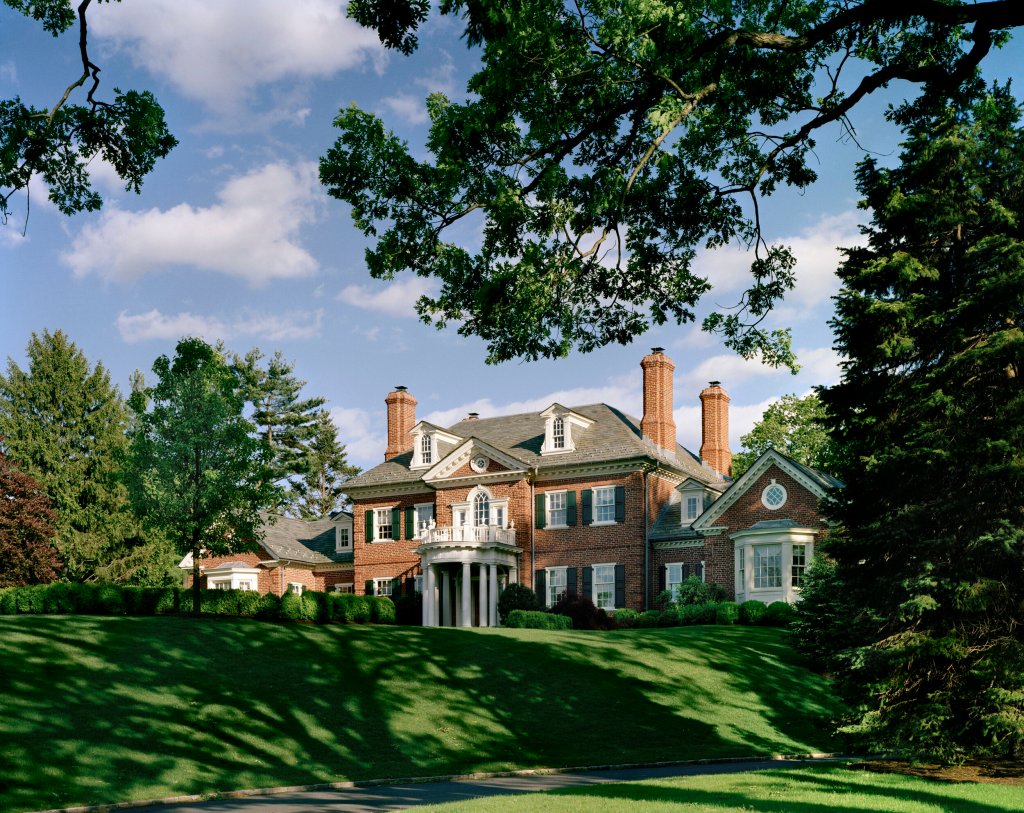
High Lawn, near Lee, Massachusetts, is a “Vanderbilt Mansion” that is uniquely lived in by actual Vanderbilts although after 6 or 7 generations they might not look much like the original, Cornelius Vanderbilt, nor do they carry the name. Nevertheless, this branch of the Vanderbilt family created this beautiful, nicely-scaled Georgian revival house in the Berkshire hills. Our judges liked the scale of the house (much more humane than ponderous Vanderbilt colossuses such as The Breakers or Biltmore), the elegant row of dormer windows, the bas-relief sculptures on each bay in the facade, and the contrasting red brick and limestone quoins and stringcourse that break up the facade. High Lawn earned bonus points for the delicious dairy treats available from the High Lawn dairy store on the property. For more on High Lawn, click here.

1st Place – Scoville Estate
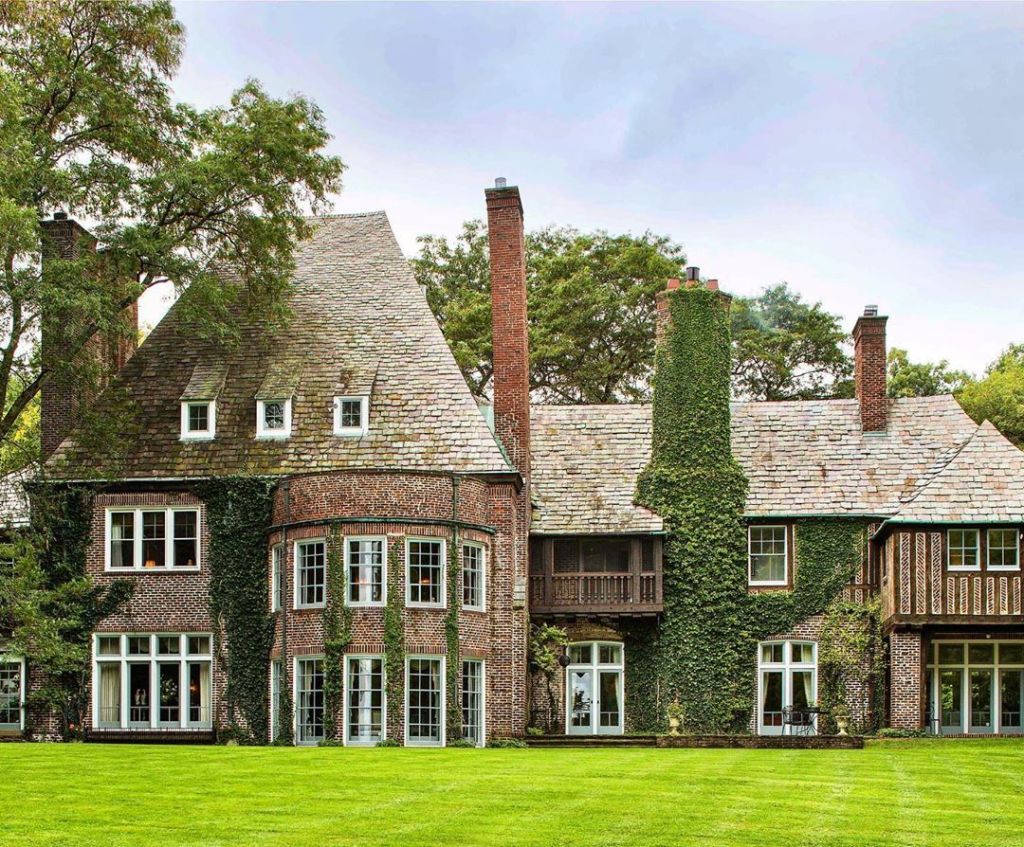
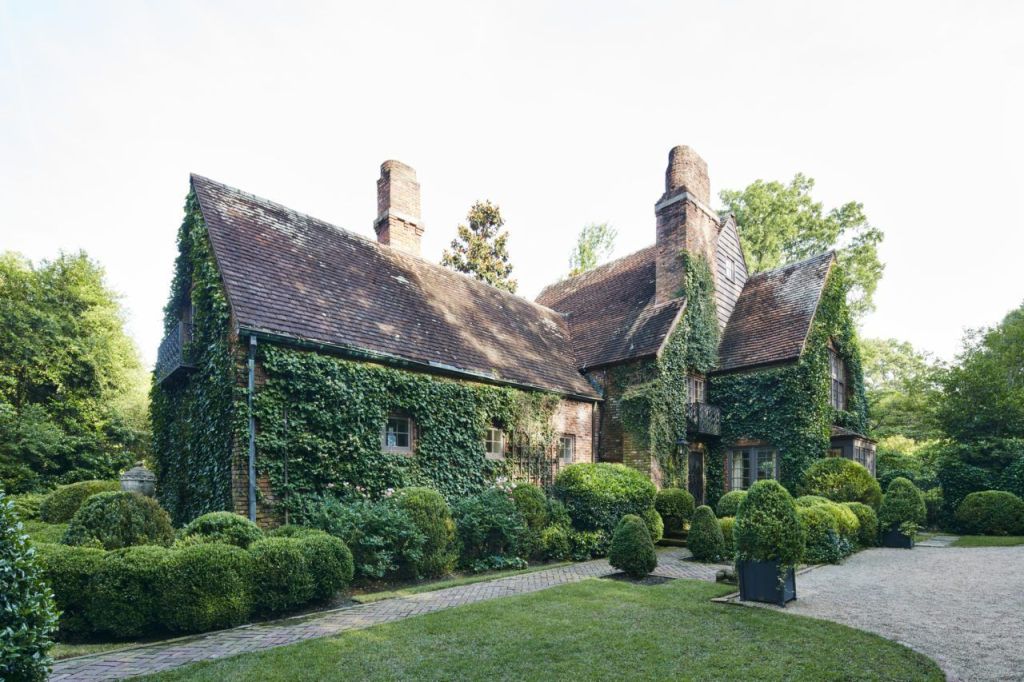
First place voting was extremely close between Scoville Estate and High Lawn (only 40 minutes apart by car). It was a tie after the first three rounds of balloting but what pushed this exquisite French Norman-design house near Salisbury, Connecticut to the title was the lovely country setting in northern Litchfield County, the beautiful but understated design elements, and the authenticity of the design (you would guess it was really in Normandy if you didn’t know better). And who wouldn’t want a real, authentic, two-tone brick turret in their courtyard? More than its competitors, this house simply exudes a relaxed, countrified yet sophisticated charm. A worthy champion. For more on Scoville, click here.
So this year’s Top 9 contest is in the books. If you disagree with the results or want to nominate another house that we don’t know about for next year, please leave a comment.







 North American Country Estates