Cornwall Castle

Castles are dotted all over western and Central Europe. Originally designed to defend the lord of the castle and his subjects from marauders, castles eventually were converted to strictly residential purposes and many of Europe’s castles still serve as private homes to this day. Many assorted dreamers and loonies in North America have attempted to build authentic looking castles but most attempts have failed to replicate the aesthetic and construction values of the castles of Europe.

Charlotte Bronson Hunnewell Martin, the first mistress of Hidden Valley Castle

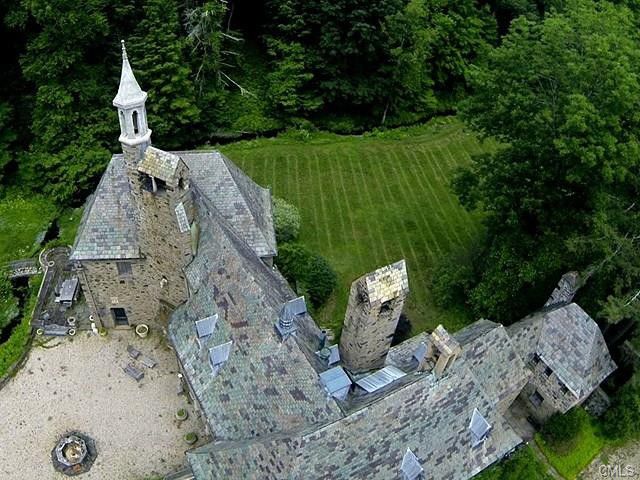
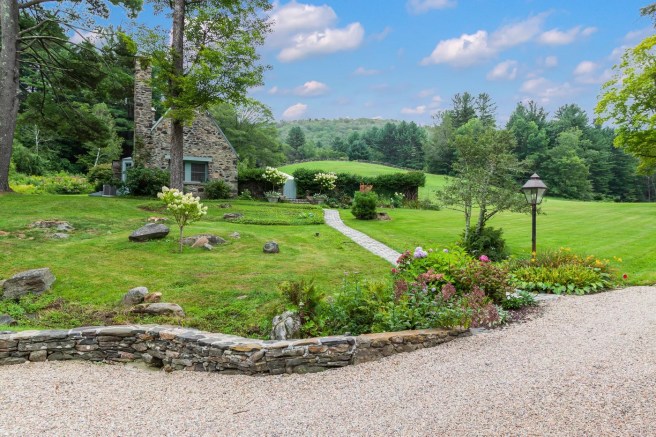
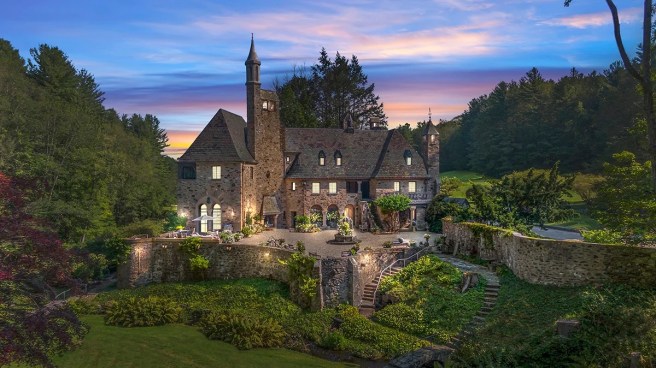
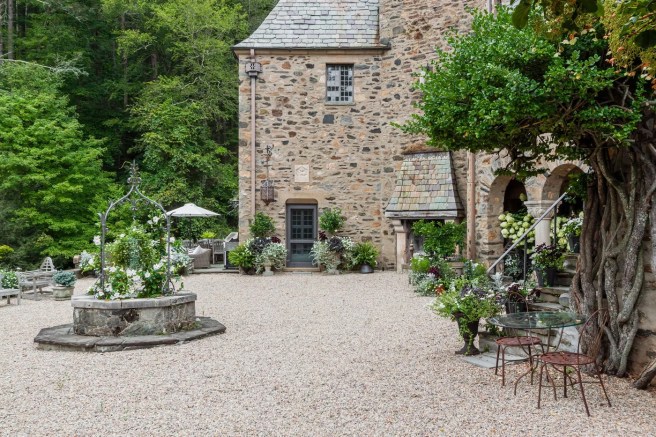
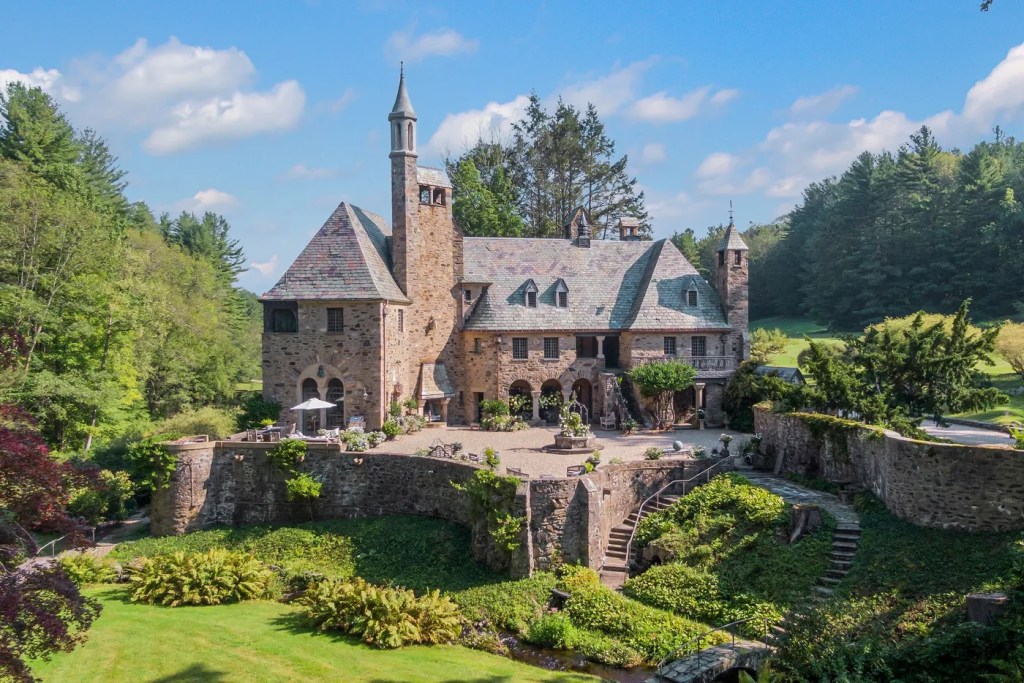
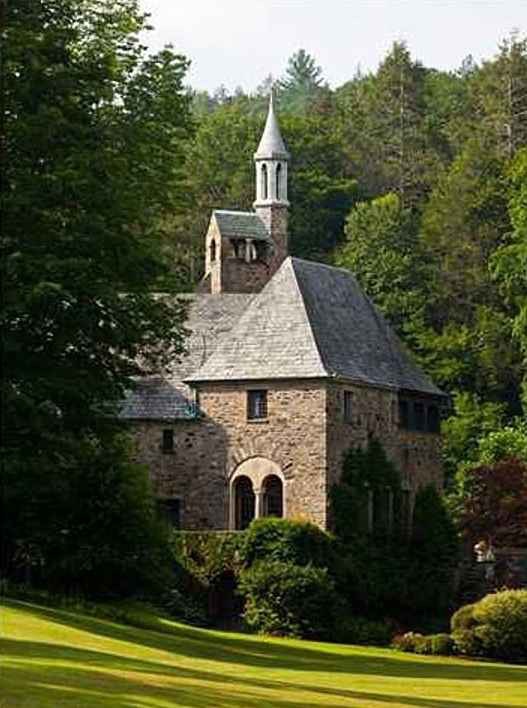
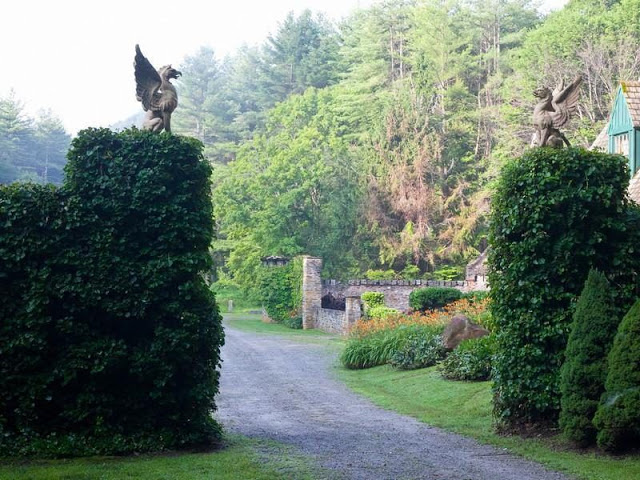
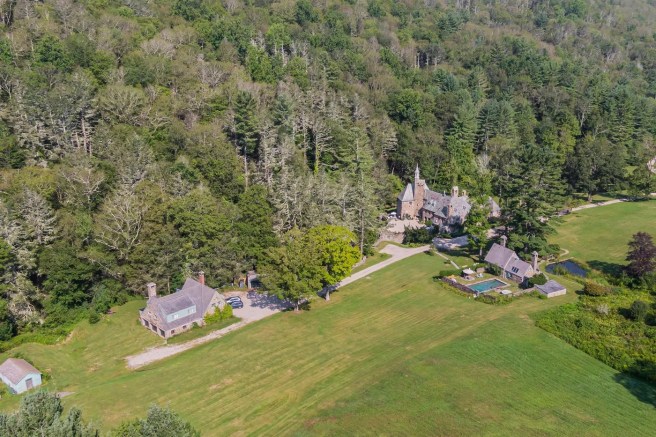
One of the rare exceptions is a home known as Cornwall Castle located near Cornwall, Connecticut in the Litchfield Hills (AKA Hidden Valley Castle).  The castle was designed by the architect, Edward Dean, and completed in 1925 for wealthy New York socialite Charlotte Bronson Hunnewell Martin and her husband, Dr. Walton Martin, a surgeon. The castle sits on 275 acres of woodland and streams and includes several outbuildings.  Charlotte came from old Massachusetts railroading and banking money and loved the concept of European nobility so much that she and the doctor built the house in a storybook castle style.  The doctor completed the illusion by occasionally riding around the estate on a white horse wearing a red cape.  In addition to the castle, Charlotte also developed a set of row houses with a shared garden in Manhattan known as Turtle Bay Gardens. Residents of Turtle Bay have included Katherine Hepburn, composer Stephen Sondheim, famous twin Mary-Kate Olsen and the author of Charlotte’s Web, E.B. White, who allegedly named the spider after his landlord. Dr. Martin passed away in 1949 and Charlotte in 1961. Charlotte cut her only child out the will and the castle was subsequently sold.
The castle has had a series of lords since then including financier Saul Steinberg, a flashy New York financier from the 1980s era of junk bonds. Mr. Steinberg sold the castle in 1983 complaining about the bugs and insects that lived in the woods and fields around the castle and retreated back to his Manhattan co-op. Next up was former Macy’s executive, Joseph Cicio, who tried to renovate the castle, ran short of money and sold in 1988.
In 2001, Alphonse ‘Buddy’ Fletcher bought the castle. Mr. Fletcher was a New York hedge fund manager who burned through $212 million of his client’s money before declaring bankruptcy and being investigated by the SEC. Judges and officials involved in the investigations hailed from places like the Cayman Islands and Bermuda throwing a further whiff of suspicion and disrepute onto the affairs of the one-time lord of Cornwall Castle. In 2014, his lordship also fell behind on the mortgage payments and the castle was foreclosed upon in 2015.
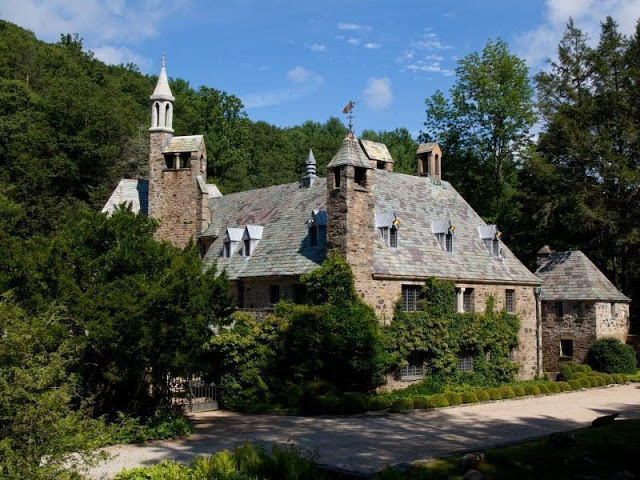
In 2019 the castle and estate were purchased by a local Litchfield County builder and his wife for $1.6 million.  They did extensive renovations and flipped it for $3.7 million in late 2022. The castle is still a private home and is not open to the public. A video describing the property can be viewed here. Hopefully, the new lord or lady of Cornwall Castle can provide the stability and commitment that it richly deserves as potentially the preeminent example of storybook and castle architecture in North America.
Claremont Manor

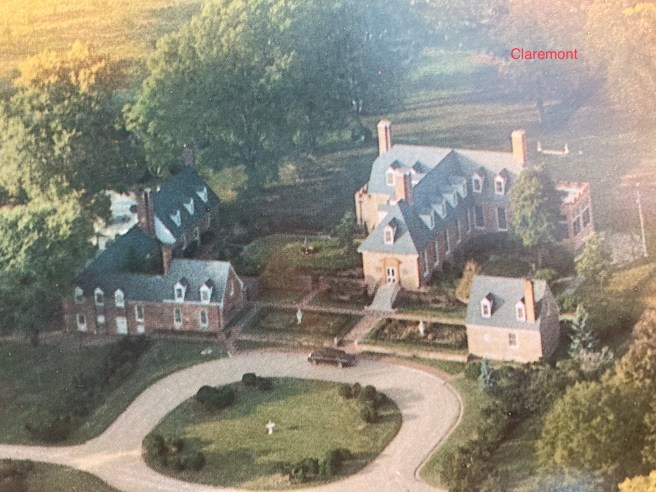
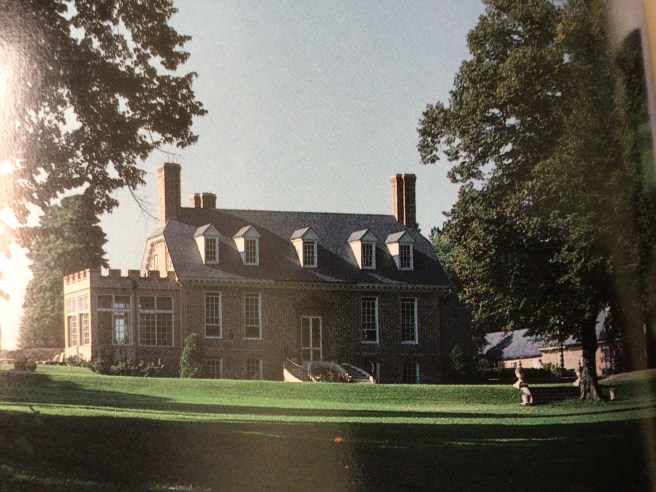
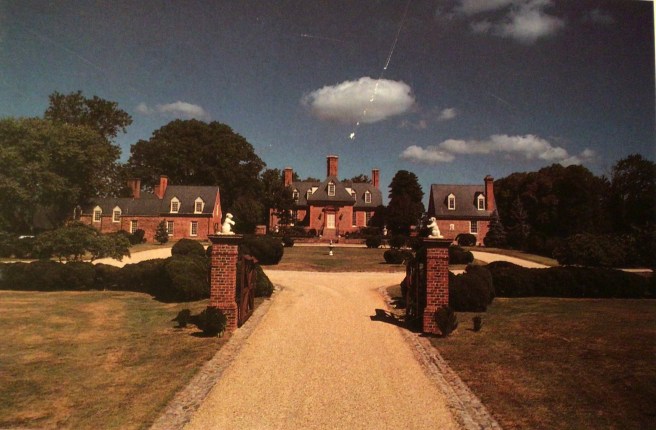
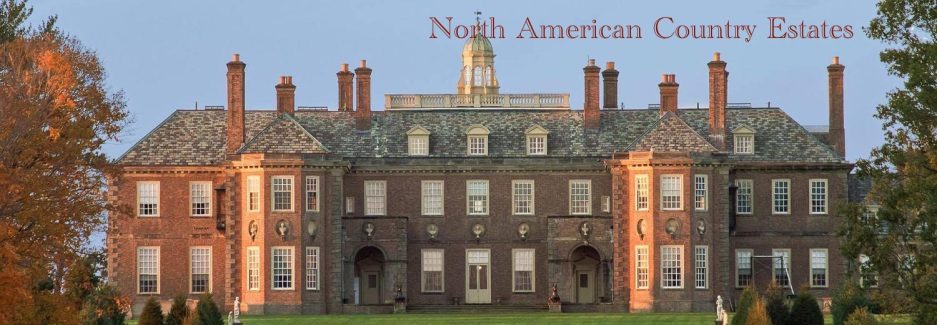
Claremont Manor is an 1,100 acre estate situated on the right bank of the James River about 30 miles southeast of Richmond. A beautiful Georgian manor house sits on the property along with several outbuildings in the same style. Extensive gardens surround the main house which overlooks the James River. The origins of Claremont Manor date back to the 1620s when George Harrison, one of the Jamestown settlers, established a small tobacco plantation on the site. Mr. Harrison died in 1623, the victim of the first recorded duel in Virginia. The estate passed to the Clement family and then to the Allen family in 1681. The Allens built the manor house that exists today in 1750. At one time, the estate amounted to 12,000 acres and was a significant agricultural supplier to the confederacy during the Civil War. However, being on the losing side didn’t work out for the Allens. After the war, their Confederate currency worthless, they were forced to parcel out Claremont (much of it to migrating yankees). The last Allen threw in the towel in 1886 and moved to New York to practice law bringing 205 years of family ownership to an end..

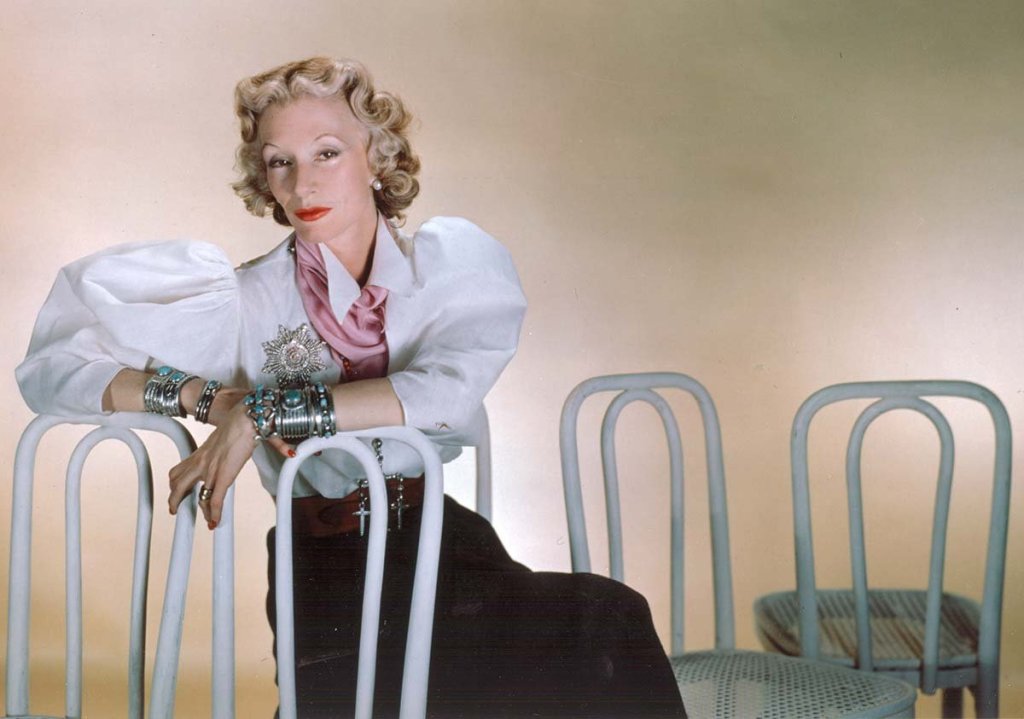
In the ensuing decades after the war, Claremont Manor had many owners but three stand out. In 1940, Millicent Rogers bought the estate. Ms. Rogers was the granddaughter of Henry Rogers, a partner of John D. Rockefeller in the Standard Oil Trust. Millicent was a fashion icon and socialite during the early decades of the 20th century and later became an activist promoting Native American rights. Millicent had an active love life, marrying three times, once to a broke Austrian count, and included among her romantic partners actor Clark Gable, James Bond author Ian Fleming, and various princes from Russia, Italy and England. Mr. Gable was a frequent guest at Claremont Manor and contemplated buying a nearby plantation home. Millicent sold Claremont Manor in 1950 and retired to her home in Taos, New Mexico where she established a museum of Native American art that exists to this day.

Millicent Rogers, the chatelaine of Claremont 1940-1950

Between 1950 and 1964, Claremont was owned by James and Margaret Carter. James owned coal mining properties in Virginia and he and Margaret, although never making Claremont their primary residence, embarked on extensive renovations and additions to the property including adding to the main house and rebuilding various outbuildings. They also bought adjoining parcels more than doubling the size of the property. They sold the estate in 1964 and it served as a parochial school for the next 12 years until it was purchased by Lewis and Ann Kirby. The Kirbys added even more land to the estate bringing it up to its current 1,100 acres. Ann Kirby is a descendent of one of the owners of the Woolworth department store empire. Lewis was a graduate of Princeton University and served in General Patton’s Third Army in World War II. During his time in the service, he fought in the Battle of the Bulge and was present at the liberation of the Buchenwald concentration camp. After the war, he had a long career in the insurance industry. The Kirbys were passionate about Claremont and family traditions and heraldry. Ann passed away in 1996 and Lewis in 2015. Presumably, Claremont Manor is now controlled by their three children.

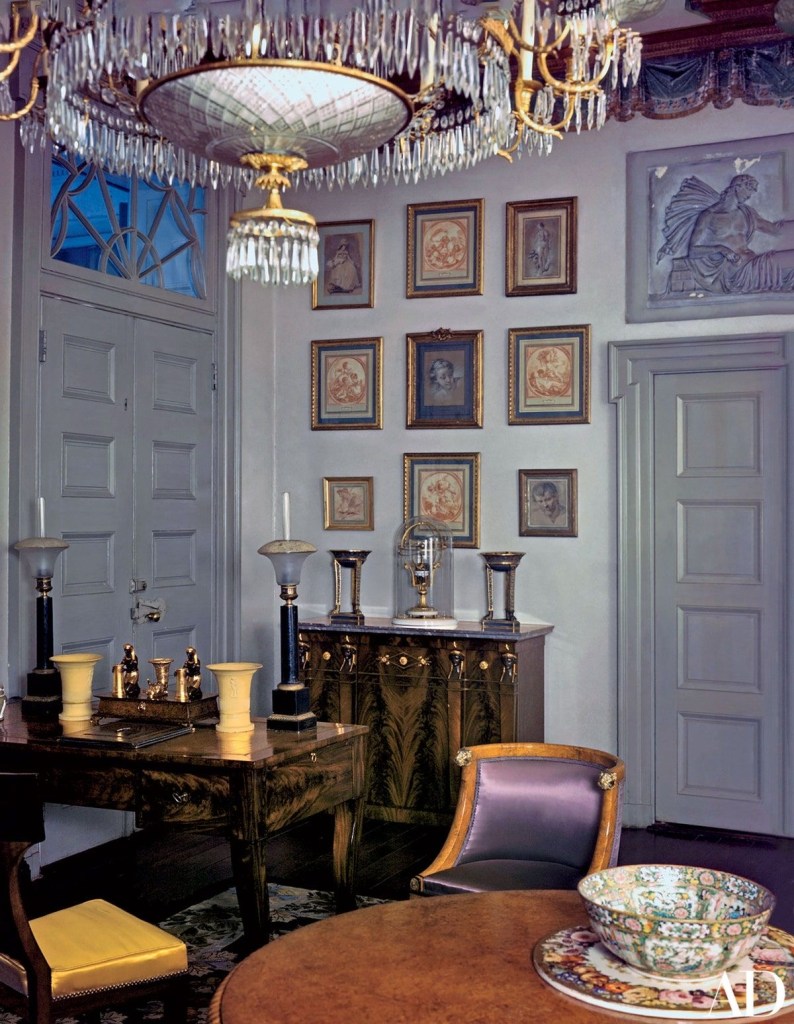
Interior of Claremont during the ownership of Millicent Rogers