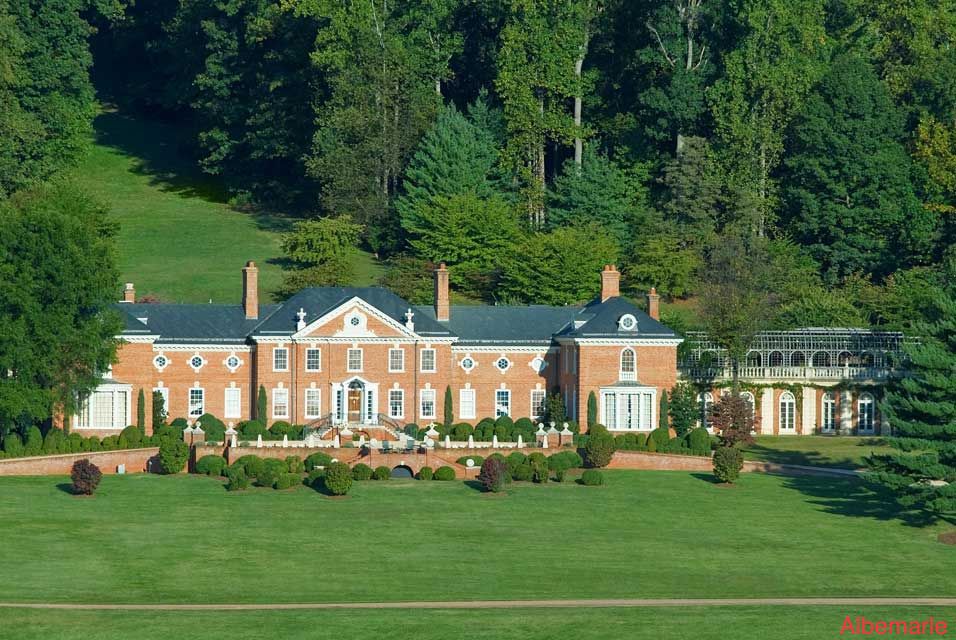
Albemarle

Prologue

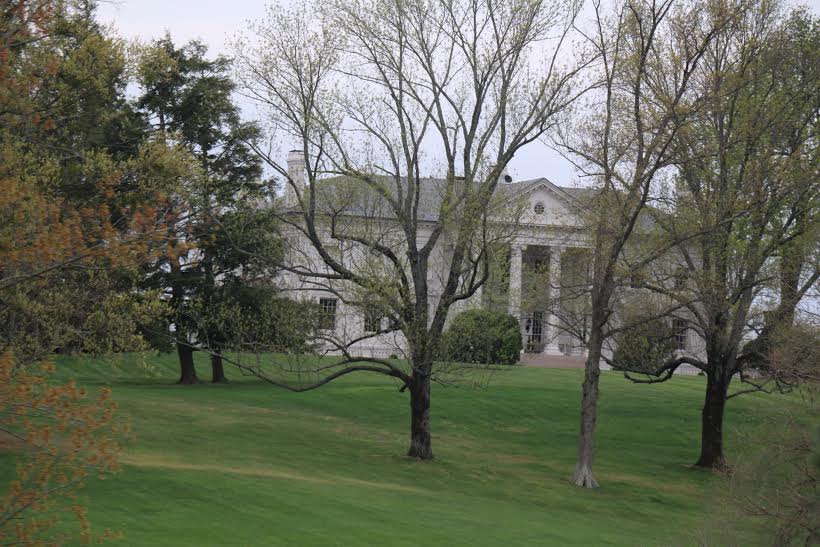
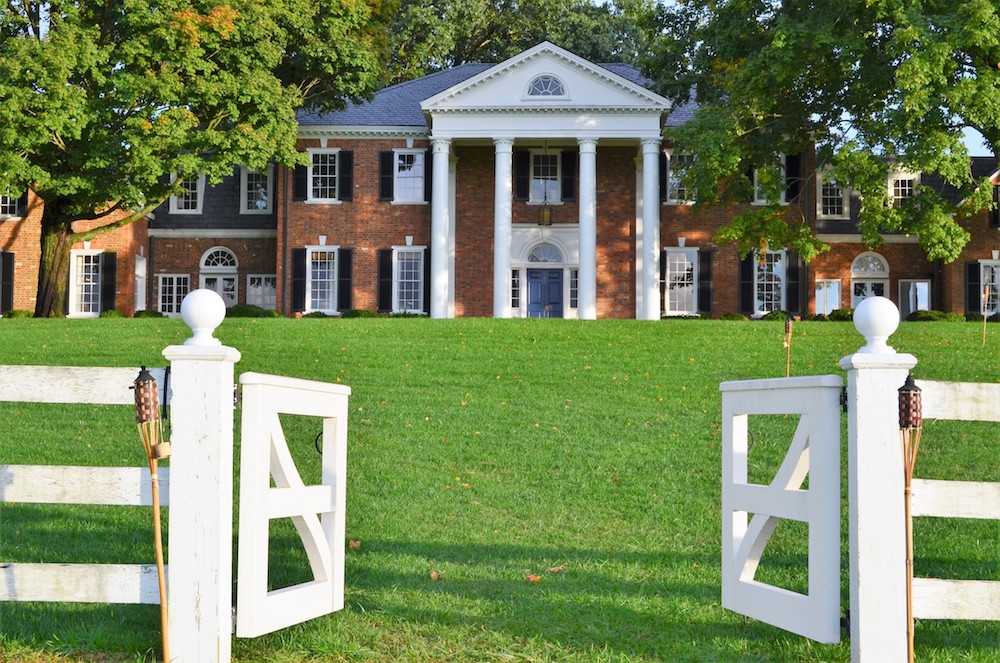
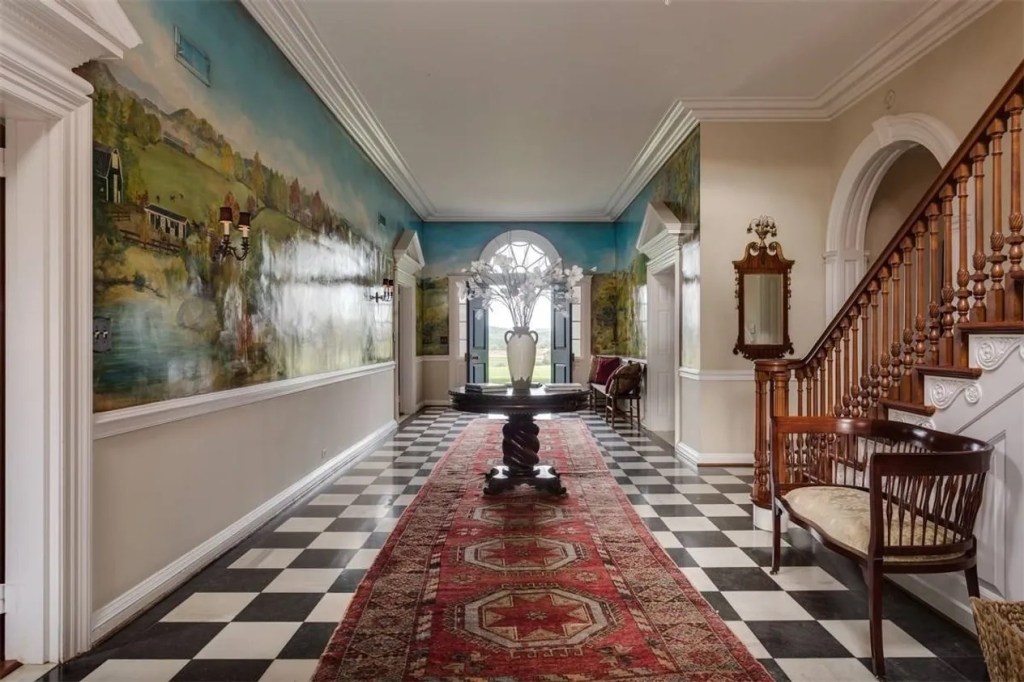
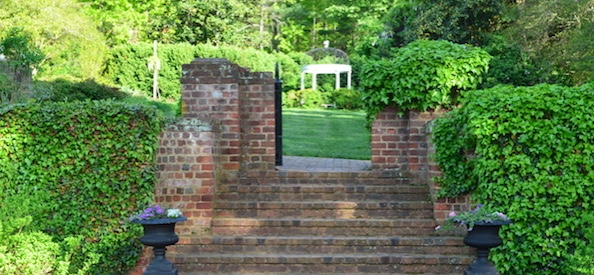
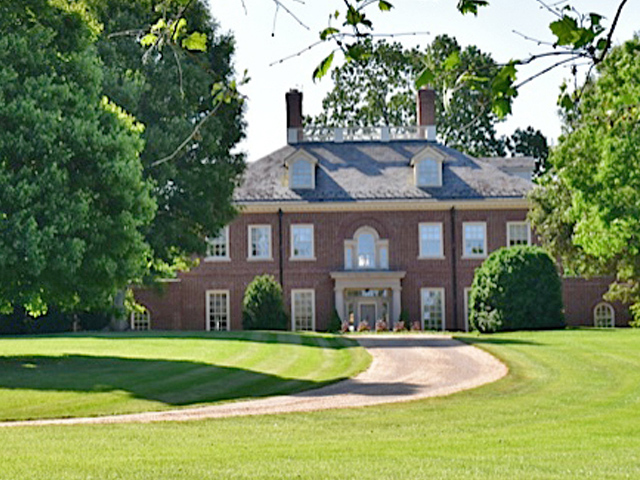
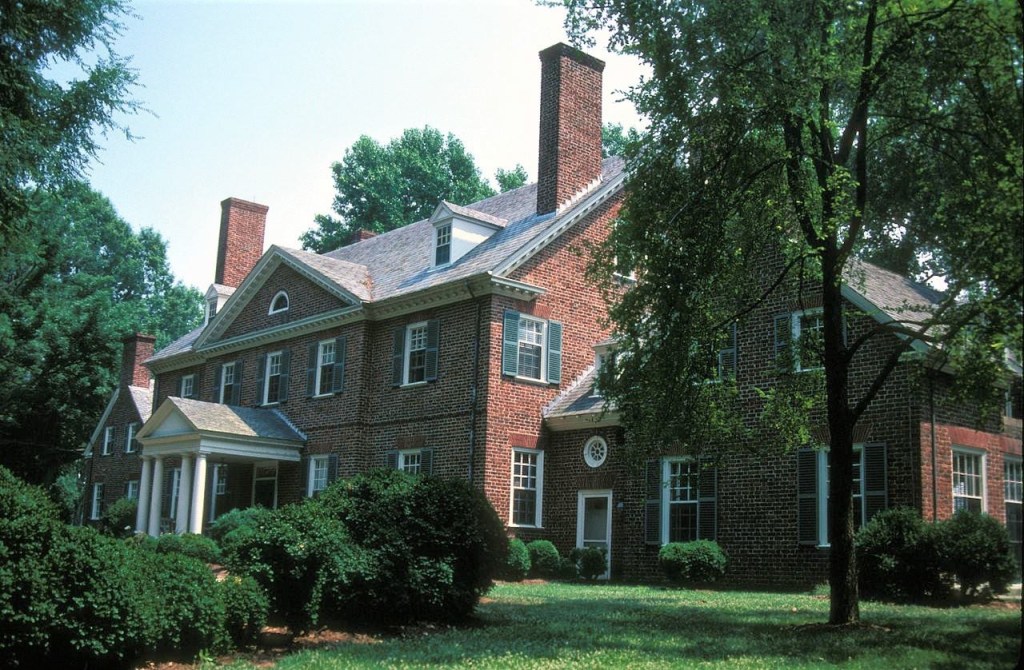
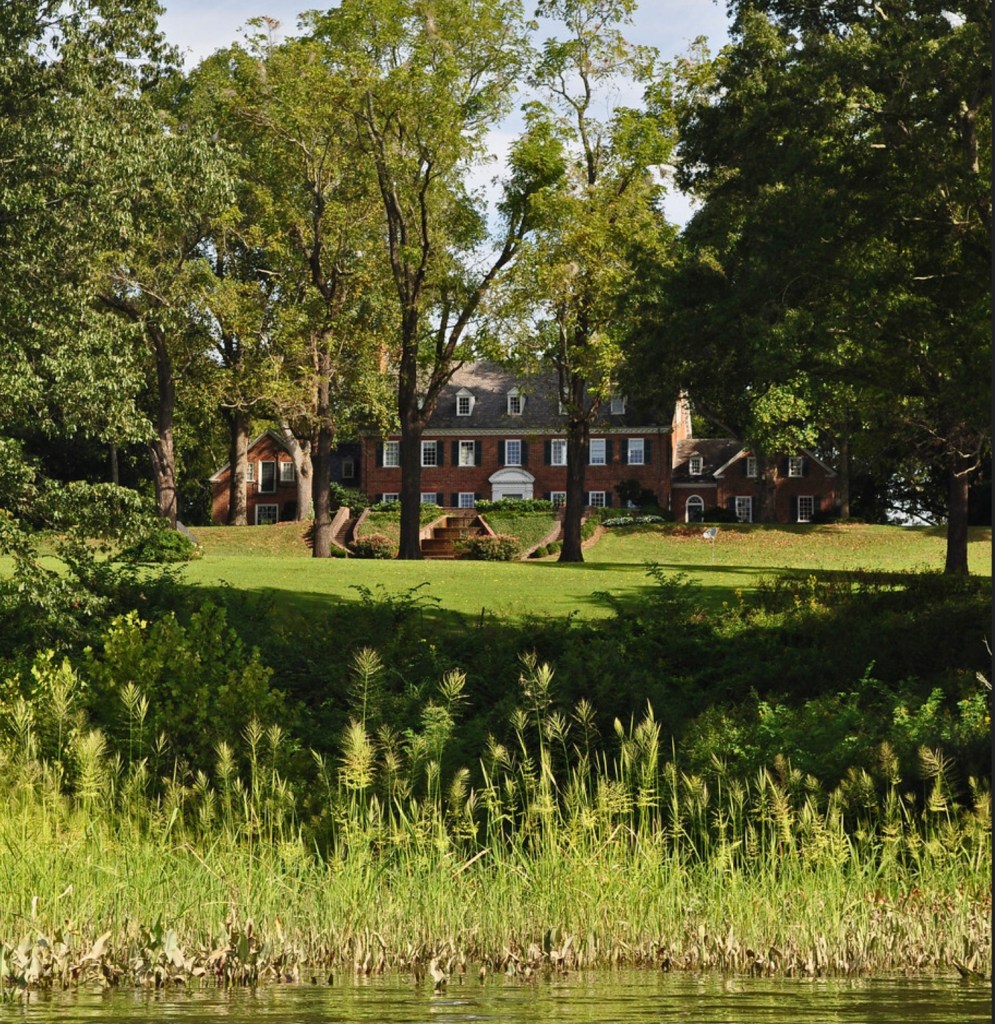
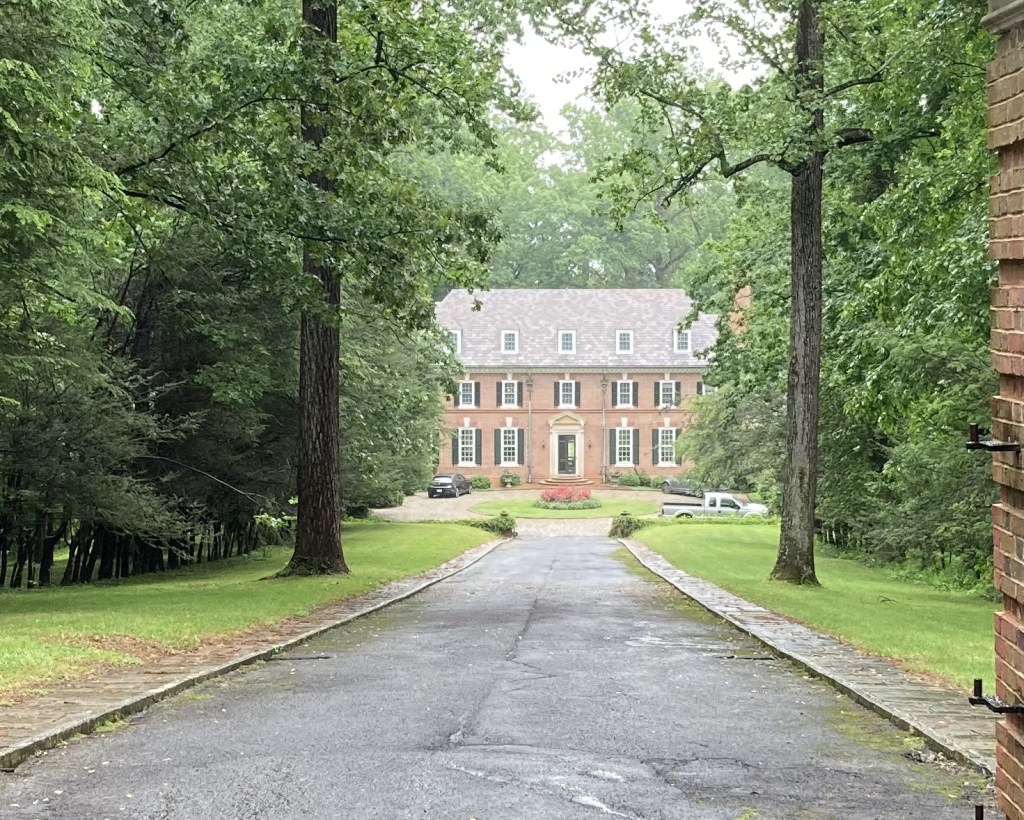
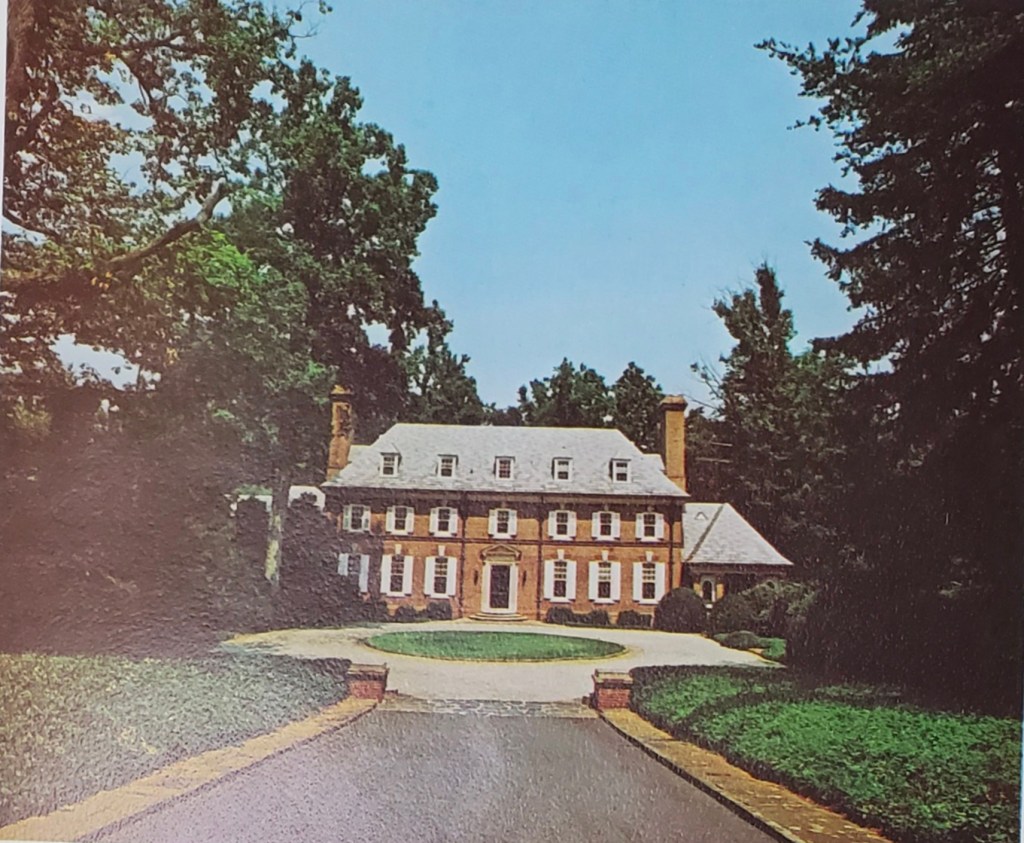
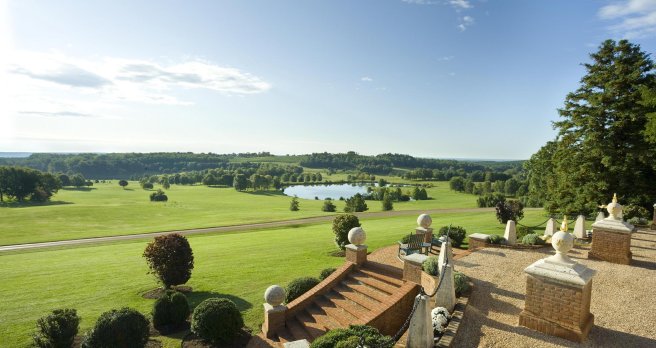
This handsome 23,000 sf Georgian revival mansion is known as Albemarle (AL-bi-marl) House and is sited on a 990 acre estate south of Charlottesville, VA (which is located in Albemarle County). It was designed by David Easton, a New York-based architect and designer (who also designed Twin Maples in Connecticut), and completed in 1985 for newlyweds, John and Patricia Kluge. Albemarle House was the innocent witness to a classical tragedy involving insatiable ambitions, degeneracy, avarice, catastrophic falls, and maybe some lessons learned (but probably not). Our story unfolds thusly…..

Act I – The Catholic School Girl

Patricia Kluge (nee Rose) was born in Iraq in 1948 to British parents and was educated in a convent school in Baghdad. After her parents split up in 1963, her father moved to London and sixteen year old Patricia followed a year later to live with him. Unfortunately, Patricia’s father had already moved in with another woman and Patricia was not welcome. Patricia stayed on in London, took a series of odd jobs and lived with friends. One night, while working as a hat check girl at a Turkish nightclub, she filled in for the belly dancer who was out sick. In the audience that night was a soft-core porn publisher named Russell Gay. Mr. Gay, who was 32 years older than Patricia, took a shine to her and they moved in together and eventually married in 1973. The catholic school girl from Baghdad was a regular model for Mr. Gay’s porn publications and wrote a sex advice column for his magazine, Knave. She also took a crack at acting but her only credit is as “The Dancer” in the 1969 erotic comedy The Nine Ages of Nakedness (IMDB rating 4.7 out of 10). Eventually, Patricia grew restless with her skeevy life in London and longed for some place that was simpler, quieter and with more traditional values. So she divorced Mr. Gay in 1976, packed up her things and moved to New York City.

Patricia Kluge as “Dancer” in Nine Ages of Nakedness (1969)

Act II – The Rise

Soon after arriving in New York, Patricia met John Kluge who was 35 years her senior. John Kluge was a German immigrant who worked his way up from a Ford assembly line to extraordinary business success. His company, Metromedia, at one time owned 14 television stations and 22 radio stations. He sold off the stations in 1986 and they eventually became the core of what is now known as the Fox Network. At the time, Kluge was regarded as the richest person in the U.S. with a fortune of $5.2 billion (nowadays this doesn’t even crack the top 200). John was immediately smitten by the 5’10” beauty when she invited him to a dinner party and then, when the dishes were cleared, started belly dancing on the table. John would later recall of this moment “Where had I been all my life??” For her part, Patricia phoned a friend in London and blurted “I’ve met a guy who’s stone rich!!” John soon ditched wife #2 and, after living with Patricia for a couple years, they married in 1981 in a huge wedding at St. Patricks Cathedral on New York’s Fifth Avenue. They then started building their dream home, Albemarle. They did not live happily ever after.
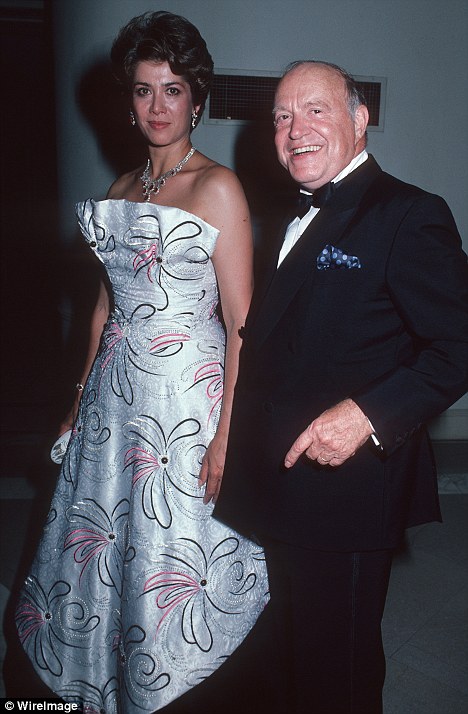
Patricia and John Kluge during the happy times

Marriage counselors will often tell you that you should work on the relationship rather than the house. Alas, John and Patricia did not heed this advice. They were only in Albemarle for five years but during that time the house was the social center of Virginia and the Kluges hosted Frank Sinatra, King Juan Carlos of Spain, the ex-King Constantine of Greece, Tony Bennett and other A-listers. Sadly, their love (or whatever it was) soon faded and they split up in 1990. In a move that would later prove calamitous, Patricia got the house in the divorce but John kept the land in front of the house including his beloved private golf course. Despite this proximity, they went their separate ways. Patricia married for a third time to William Moses, a retired IBM executive, and John married for a fourth time to Maria Kuttner, a holistic health practitioner (who was also 35 years his junior).

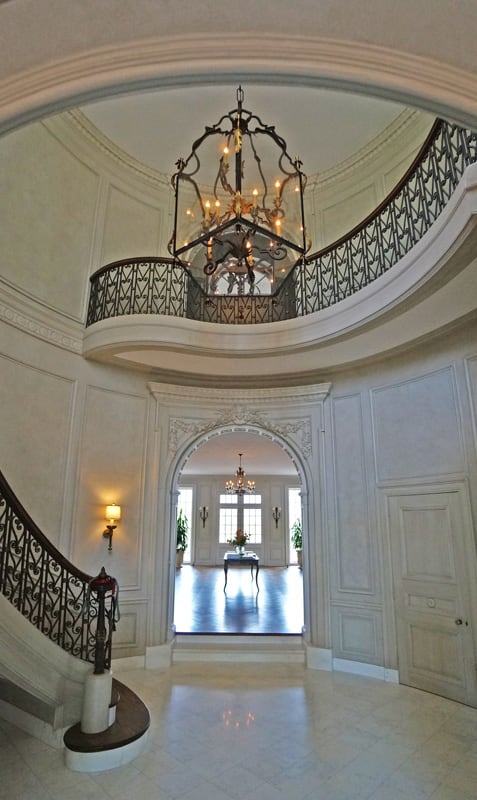
The not-universally-admired interior of Albemarle

Act III – The Precipice and the Fall

In the late 1990s, Patricia and William developed vineyards and a winery on the property which has won several awards for the quality of the wines. In 2007, Patricia started taking out mortgages on Albemarle to expand the winery business and to develop a 24 lot luxury subdivision on the property called Vineyard Estates (you see where this is going, right?). The timing was terrible as the 2008 financial crisis hit soon afterward wiping out the demand for the luxury homes (only a model home was built on the subdivision). In addition, the winery expansion was cranking out 30,000 cases a year but only a third of that was actually sold. Patricia and William started falling behind on the payments on $35 million in loans. Patricia realized she was in trouble and tried to bail out, listing Albemarle in 2009 for $100 million. Unfortunately, there wasn’t a market for Albemarle House either and the price was dropped to $48 million and then to $24 million but the house still sat unsold. Patricia then auctioned off the contents of the house in 2010 raising $15 million to keep the banks at bay. John Kluge, Patricia’s ex, died that same year at age 95. Towards the end of 2010 the banks moved in and starting foreclosing on the winery assets and the failed subdivision. In 2011, it went from bad to worse for Patricia. First, Bank of America foreclosed on Albemarle house itself and Patricia had to move out of her dream home and into the model home of the subdivision project. By June she had declared bankruptcy listing $3 million in assets and $48 million in liabilities. Patricia was hitting rock bottom. But a potential savior was out there. Watching all this happen. And Waiting.

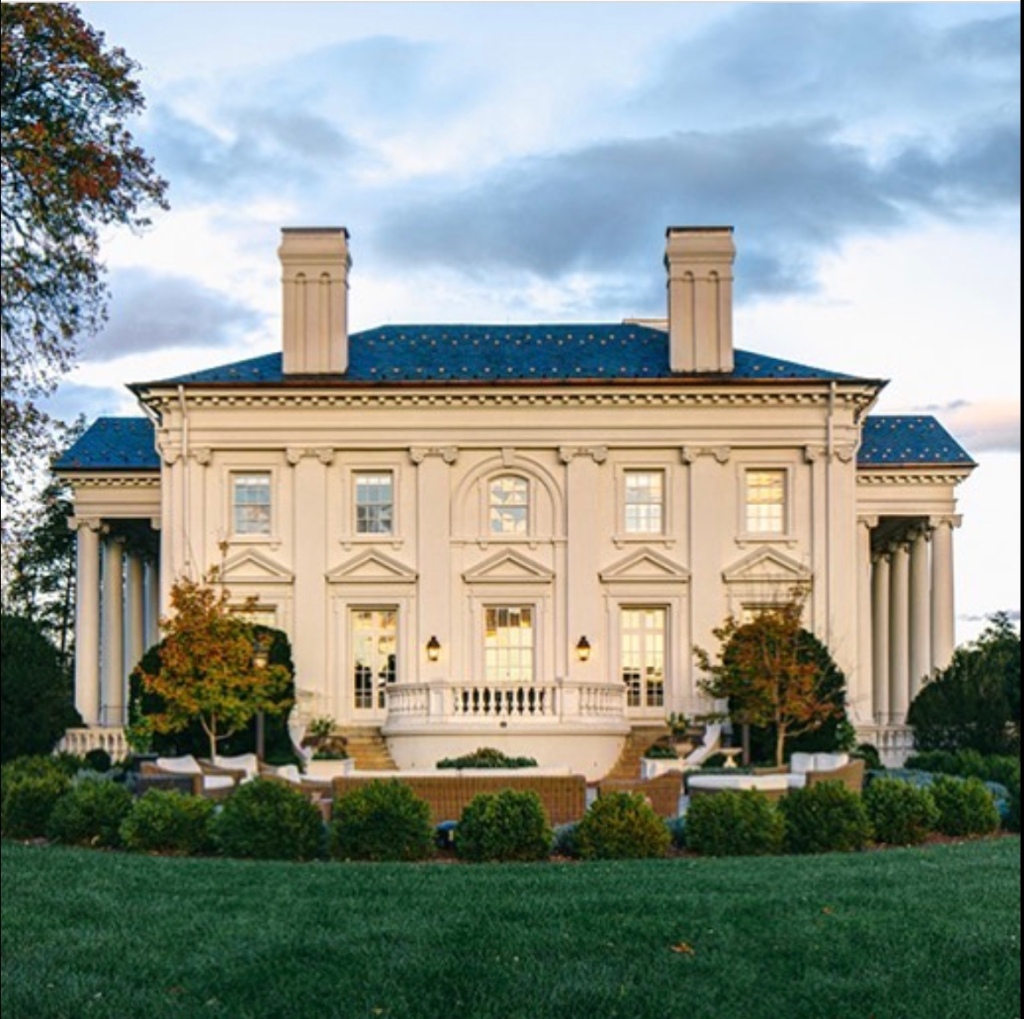
The garden front of Albemarle House

Act IV – The Leader of the Free World

Donald Trump was a friend of the Kluges, a Manhattan real estate developer, casino impresario, golf course developer, online college president and a reality TV star. Later in life he would also become the leader of the free world but before all of that he had developed a liking for Albemarle. This is when the decision to split the house and the front yard in the divorce came back to haunt Patricia. By this time, the golf course and the front yard was under the control of John Kluge’s heir, John Kluge Jr. Mr. Trump cut a deal with Kluge Jr. to buy the golf course and Albemarle’s front yard for a half million dollars. Bank of America, looking to unload Albemarle house itself, put it up for auction. Mr. Trump put in the high bid of $3.6 million but the bank still rejected it as too low. Now, Mr. Trump was not a man to be easily deterred. Used to getting what he wanted (*COUGH* except for reelection), Mr. Trump bought the 776 acre vineyard out of foreclosure for $6.2 million. He now owned everything except the house itself (which the Bank of America was pitching for $16 million). His next move was to stop mowing the lawns. The grass around Albemarle house grew long and unkempt. Weeds sprouted. The curb appeal waned. The future global statesman then posted “NO TRESPASSING” signs all around his part of the property and posted security guards casting a pall on prospective buyers who the bank’s realtors would shepherd around the property. Sensing that a grave injustice was being committed, Bank of America brought suit against Mr. Trump in the Albemarle County Circuit Court in Charlottesville. Lawyers were dispatched. Declarations were submitted. Cease and desist orders were proposed. Finally, in 2012, the Bank of America, exhausted from fighting the injuries allegedly perpetrated by Mr. Trump, agreed to sell Albemarle House to him for $7 million writing off $16 million in defaulted loans to Patricia Kluge Moses. More litigation then erupted over Mr. Trump’s unpaid legal bills, late payments to John Kluge Jr., and contested conservation easements on the Albemarle estate. Virginia would not know peace again until 2013.
Epilogue

In the story of Albemarle House no one lived happily ever after. Patricia Kluge Moses, relieved of her crushing financial obligations said “My worst nightmare and personal armageddon are over.” She still lives in the model home of her one-time luxury subdivision. None of the other homes were built. Donald Trump, the humble public servant, dedicated himself to four years of public administration but eventually he was also evicted from his grand palace in Washington D.C. Today he lives in exile in Florida. John Kluge is dead. So is the English porn publisher, Russell Gay. It’s debatable if any of the main characters of this tragedy are any wiser. However, Albemarle House, the innocent witness to this tale of tragedy, has found a new life. In 2012, the Trump Organization began the process of converting the empty, neglected and decaying Albemarle mansion into a bed & breakfast and building a separate wedding venue that started welcoming guests in 2015.  The vineyard and winery started by Patricia Kluge still operates under Trump ownership and annually sells 20,000 cases of wine in addition to Trump-branded golf shirts and accessories. As one final twist to this story, Albemarle may be the only winery in the world that is owned by someone who doesn’t drink alcohol.
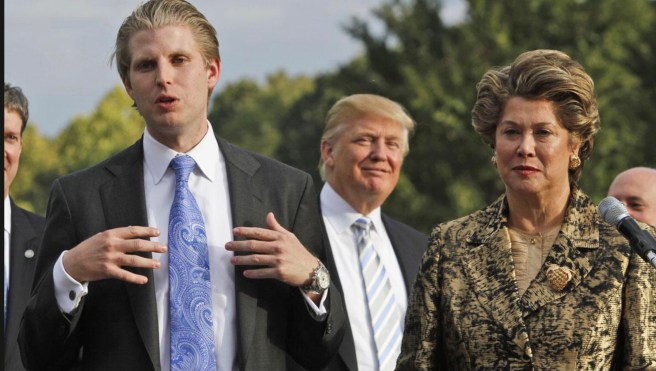
Donald Trump, the new lord of Albermarle, and Patricia Kluge, the departing lady of Albemarle, look on while Eric Trump explains something.

Afterword

If you want to stay at Albemarle or just drop by and sample some wine (which is supposed to be excellent) then click here for more info. Other than that, Albemarle House itself is not open to the public.

Authors Note: Obviously most people either love or loathe Donald Trump. This blog is not about politics but about architecture, beautiful country houses and the people who lived in them (for better or worse). Mr. Trump just happened to step into the line of fire in this case when he bought Albemarle and he was then exploited for his entertaining personality and colorful business practices. So I blame him. My apologies to anyone who was offended by this exploitation.
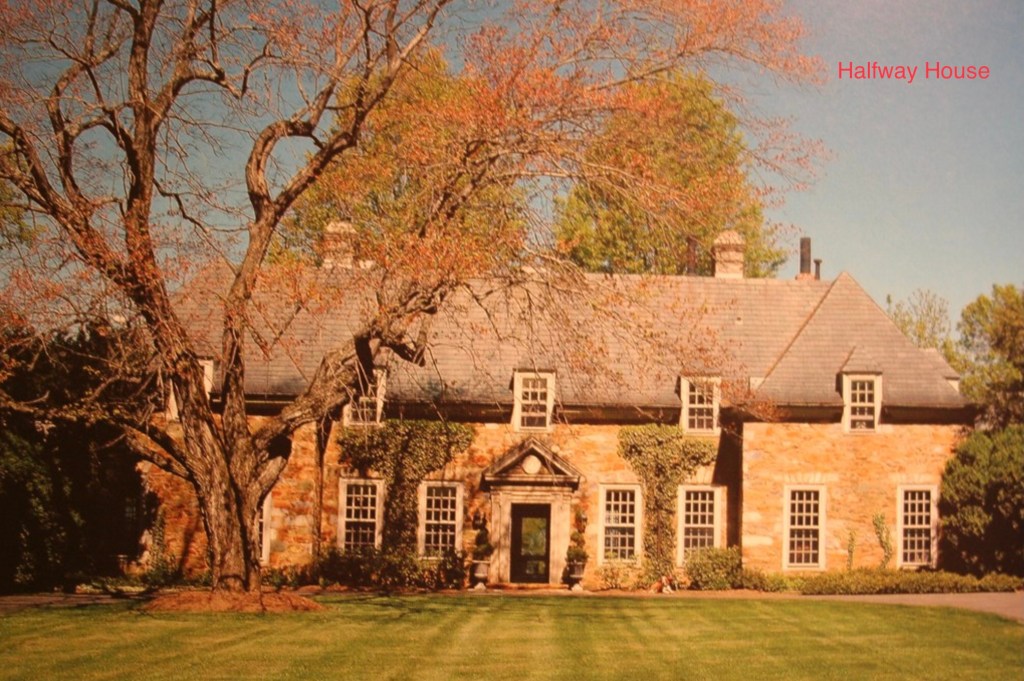
Halfway House

Entrance front

This is Halfway House which is conveniently located half way between Middleburg and The Plains in the Virginia Hunt Country west of Washington D.C. Halfway House was completed in 1934 to a design by William Bottomley, a Virginia-based architect who is responsible for many of the handsome Georgian-revival houses that grace the State (including Rose Hill and Chilton). Halfway House sits on a 571 acre estate and was built by James and Vira Whitehouse who also had homes in Newport, RI and New York City. James was a stockbroker and Vira was a suffragette and political activist. Today, Halfway House is owned by a former AOL Vice President named John Ayers and is now referred to as High Meadows Farm and is used for raising grass-fed cattle.

Design concept of Halfway House

The Virginia Hunt Country is famous as a country retreat for 1 percenters, horse farms, fox hunting and fine gardens. Just two miles west of Halfway House is another country estate covered in this blog, Wayside Manor (click here for more info). For more about the Virginia Hunt Country, click here.

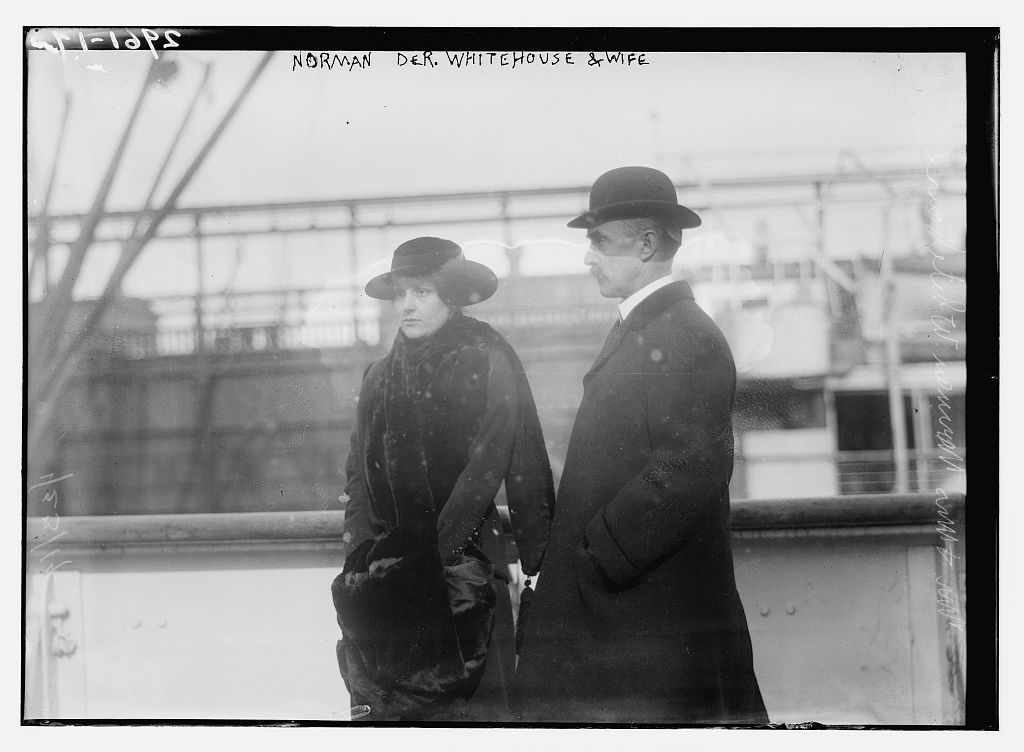
James and Vera Whitehouse, the builders of Halfway House

Tulip Hill

George Washington slept here. He really did. Washington was a good friend of the builder of Tulip Hill, Samuel Galloway, and visited often during the 1770s. Tulip Hill is a Georgian-style house (actually built during the Georgian era) near Galesville, Maryland. The 8,000 square foot house sits on an 93 acre waterfront property on the West River.

Tulip Hill got started when Samuel Galloway bought the 260 acre Poplar Knowle property in 1755. He renamed it Tulip Hill for the tulip poplars that grew on the property. Samuel built the gorgeous Georgian-style house for his wife, Ann, but she died before the house was completed in 1762. Unfortunately, the identity of the architect is unknown. Samuel Galloway grew and exported tobacco at Tulip Hill and also traded in slaves imported from Africa and other indentured servants. He was also a major ship owner and owned more than 30 ships and a nearby shipyard. Samuel passed away in 1785 leaving Tulip Hill to his son, John. John Galloway expanded the house by adding the matching wings and connecting hyphens creating the classic five-part Georgian house that exists today.

Samuel Galloway, the builder of Tulip Hill

Tulip Hill stayed in the Galloway family until 1896. It was then sold to Alexis du Pont Parker, a railroad executive from Denver, CO. During the Parker ownership, the house was all but abandoned and became known to local teenagers as a place to party. In 1918, house was purchased by Henry Flather, a Washington D.C. banker and his wife, May, who was very active in building up the Girl Scouts during the early years of the organization. The Flathers are credited with extensively restoring the house and grounds after decades of neglect. Tulip Hill was then purchased in late 1948 by Lewis Andrews, a British military officer who had been a POW during the Second World War, and his wife, Hope. After Lewis’ death in 1990, the estate was bought by Morgan Wayson, a local contractor, and his wife, Janet. The Waysons put Tulip Hill on the market in 2004 for $4.9 million and it was eventually sold by auction in 2011 for $2.5 million. The trail of ownership grows cold after that and there is local speculation about the identity of the owner and what they plan to do with Tulip Hill but it is private property and not open to the public.

Entrance front
Entrance hall

Rose Hill

This is Rose Hill, an 11,000 square foot Georgian-revival house on a 410 acre estate in Greenwood, Virginia a few miles west of Charlottesville. The house was designed by William Bottomley who is credited with many Georgian masterpieces in the Old Dominion especially in the Richmond area (for other Bottomley homes in this blog click here for Half Way House or here for Chilton). The house was completed in 1930 for Susanne Williams Massie, the widow of a Richmond banker. In the early decades of the 20th century, some of Richmond’s elite established summer homes in the Greenwood area and Rose Hill is surrounded by several of these homes, most of which still exist. The area continues to be a rural enclave of historic estates, horses and gardens. One of these estates, Tiverton, which is just west of Rose Hill, is covered in this blog (click here).

Susanne passed away in 1952 and the home was purchased a few years later by Henry Bradley Martin. Mr. Martin was the grandson of Henry Phipps, a partner of Andrew Carnegie in the Carnegie Steel Corporation (later U.S. Steel). The Phipps family built several homes in the leafy suburb of Old Westbury, N.Y. on Long Island including what is arguably one of the most attractive homes in North America, Westbury House, now known as Old Westbury Gardens. The Phipps family took their steel money and put it into an investment firm called Bessemer Trust which pioneered the concept of a “family office”, a privately owned investment firm that serves the needs of a single wealthy family by investing, disbursing funds, minimizing tax liabilities, arranging private planes, getting the merc serviced, etc.

Westbury House AKA Old Westbury Gardens, a Phipps family home located in the town of Old Westbury on Long Island, NY

Henry was educated at Oxford University and served in North Africa during the Second World War as part the Office of Strategic Services (O.S.S.) the forerunner of the C.I.A. Henry was also a noted book collector who used Rose Hill to house his extensive collection which included the only privately owned copy of the original Declaration of Independence and an extensive collection of books on ornithology (i.e., the study of birds). Henry passed away in 1988 and left Rose Hill to his daughter, Alice Martin Takach. Alice and her husband, Stephen, use Rose Hill as a summer home. Rose Hill is a private home and is not open to the public.

Tiverton

This house is Tiverton, a 19,000 square foot neoclassical mansion sitting on 460 acres in the hamlet of Greenwood, about 15 miles west of Charlottesville, Virginia. The property that would become Tiverton was purchased by Marie Ortman Boeing Owsley in 1900. Marie was originally from Austria and lived at Tiverton with her second husband, Dr. Frederic Dillard Owsley, a Chicago physician. The house was built by Frederic and completed in 1912. The identity of the architect is unknown. For some reason(s), between 1903 and 1919, Tiverton was sold, willed or transferred between members of the family multiple times. During this time period it was twice owned by Marie’s son from an earlier marriage, William Boeing, who would later go on to start Boeing Aircraft in Seattle.

Marie Ortman Boeing Owsley, the first owner of Tiverton

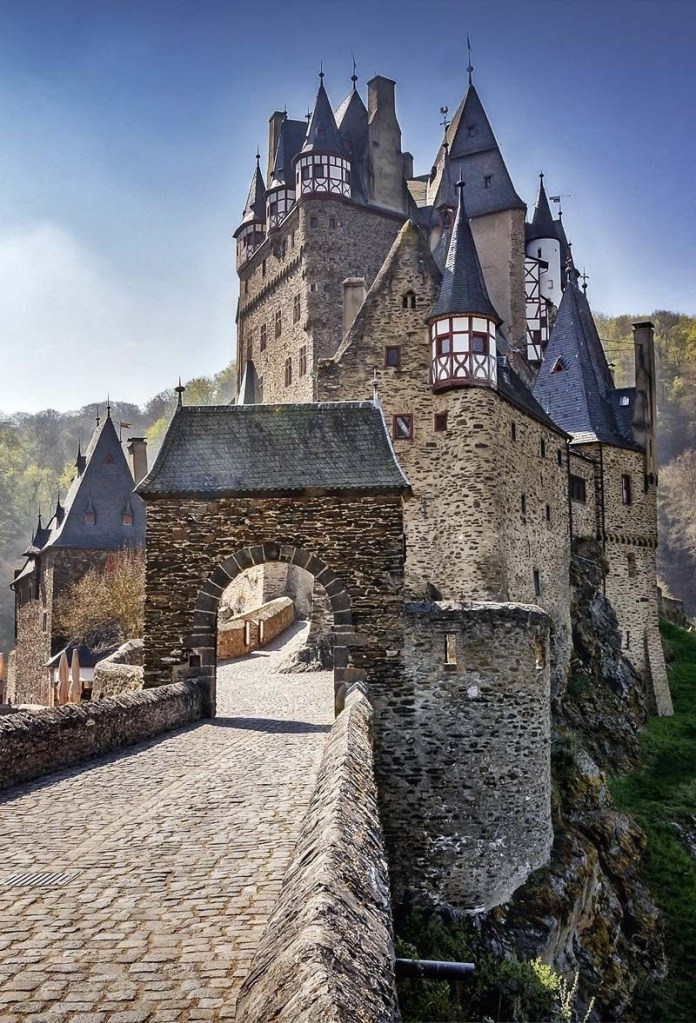
Marie died in 1910 and in 1919 the estate was bought outright by Frederic who by this time had also established a dairy operation at Tiverton. When it came to women, Frederic definitely had a type and that type was Austrian. In 1913, Frederic married another Austrian, Mariska Golgotzen, the Baroness Eltz from Vienna, Austria. The Eltz noble family originated in Germany in the 12th century and still has their seat at Burg Eltz, a castle on the Moselle River in Germany. In 1932, Tiverton was destroyed by fire leaving just the shell of the building. Frederic passed away the following year leaving the estate and burned out hulk to Mariska. The Baroness rebuilt Tiverton house to a similar design in 1935 using architect Carl Linder of Richmond. The formal gardens were redesigned by Virginia landscape architect Charles Gillette, who is renown for several gardens in the Old Dominion including a couple of country houses covered in this blog, Lochiel (click here) and Verulam (click here). One design element that the Baroness insisted on was a party room in the house complete with bar, dance floor and slot machines. The Baroness sold Tiverton in 1960 to Mike Hughey, a Florida businessman who owned gas stations. Mr. Hughey used it sparingly for the next 48 years and it slowly fell into disrepair, decay and weeds.

In 2008, Tiverton found a savior in Coran Capshaw. Mr. Capshaw had owned a bar in Charlottesville in the 1990s and signed up an unknown, local jam band to play in the pub. These unknown musicians called themselves the “Dave Matthews Band” and Mr. Capshaw has been managing them to worldwide fame ever since. He also owns a company that manages the careers and work of other musicians and artists such as Tim McGraw and Phish. He has also been involved in several property developments and renovations and owns several restaurants in Charlottesville. By the time he bought Tiverton, the house and grounds were in very poor condition but Mr. Capshaw embarked on extensive renovations (the second time for the house) and has brought the property back to life. The estate next door, Rose Hill, is also a looker and is covered in this blog (click here for more). Tiverton is a private home and is not open to the public.

Burg Eltz, the ancestral seat of the Eltz noble family

Verulam

Verulam (VAIR-u-lem) is a 12,000 square foot Georgian-revival manor house sited on a 500 acre estate of the same name a few miles west of Charlottesville, Virginia. The house was the creation of New York attorney Courtland Van Clief and his wife, Eleanor. Courtland descended from Virginia horse country gentry and Eleanor’s family was involved in the lumber business in Waco, Texas. The Van Cliefs retained the Virginia-based architect Marshall Wells and landscape designer Charles Gillette to design the house and grounds. Mr. Gillette was particularly renown for developing a formal style of garden that well-suited and accentuated the Georgian, colonial and neo-classical homes dotted around Virginia. Other examples of his work can be found at Lochiel (also covered in this blog here) and Tiverton (click here). Verulam was completed in 1946 and the Van Cliefs lived here and raised thoroughbred horses until 1962 when Courtland passed away.

Courtland and Eleanor made national headlines during their 1929 wedding in Buffalo, New York when nine armed robbers crashed a pre-wedding dinner at gunpoint and stole everyone’s jewelry and cash making off with $400,000 in loot. In news reports of the time the wedding guests chalked up the robbery to “dope fiends” which just shows that things haven’t changed much since the 1920s. The Van Cliefs were no strangers to nice houses. Courtland’s brother, Ray, bought and renovated the Rosecliff mansion in Newport, Rhode Island but was killed in an auto accident on his way to have dinner and spend his first night at the newly refurbished mansion.

The next proprietors of Verulam were John and Jane “Kitchie” Ewald. John and Kitchie met while they were both working for the Virginia Youth for Eisenhower in 1952. John was well schooled at Phillips Exeter Academy, Yale University and the University of Virginia Law School. Kitchie also attended law school at Georgetown University. The two legal eagles bought the estate in 1969 and, like the Van Cliefs, the Ewalds raised thoroughbred horses at Verulam and were well regarded in the Charlottesville community for their Christmas and children’s parties. During this time, Interstate 64 was completed through this section of Albemarle County effectively splitting up the Verulam estate and reducing its size from 1,700 acres to the present 500. Unfortunately, I-64 now drones away less than a quarter mile from Verulam.

John Ewald passed away in 1979 and Kitchie remarried in 1982 and then sold Verulam in 1986 to Peter Nielsen. Mr. Nielsen was a part-time resident and gentleman farmer who was in the software business. He, in turn, sold Verulam in 2002 to Melton McGuire and his wife, Heather. The McGuires were in the microbrewery business in Alexandria and raised Friesian horses at Verulam, worked at restoring the gardens and developed a party barn on the property to host weddings and other events. At some point, the McGuires split up but Melton stayed on a Verulam until 2021 when he tragically passed away at age 57. Verulam was then on the market for a few years finally selling for $6 million in February 2024 to a local attorney. The listing can still be viewed here. An upbeat YouTube video showing scenes from Verulam can be viewed here.

Footnote: The ring leader of the wedding party armed robbery was a Canadian named George Duke. Rather than a “dope fiend,” Mr. Duke was just a common criminal on the run from Canadian authorities. Mr. Duke and the rest of the robbers were caught and Duke spent 12 years in prison and was then deported back to Canada. Apparently scared straight, he found work as a lawnmower salesman, got married and eventually built up a major lawn mower distribution company in Ontario and grew wealthy enough to build a lakefront house near Toronto. Alas, the temptations of easy money, booze, guns and whoring were too strong to resist and Duke was eventually involved in the infamous heroin smuggling operation known as the French Connection that was later the subject of an Oscar-winning movie starring Gene Hackman.

Huntley Hall

This is the 11,000 square foot Huntley Hall located near the hamlet of Broad Run in Fauquier County, Virginia. Huntley hall anchors a 4,000 acre estate composed of working farms, rolling pastures, park-like landscaping and small lakes. The Georgian style manor house was built in 1987 to a design by the Philadelphia-based architect, Tony Atkin. The proprietors of this enterprise are John and Anne Hazel. John Hazel’s resume includes a law degree from Harvard University, a stint as a Judge Advocate General in the Army, another brief stint as a Circuit Court judge in Fairfax County, Virginia and a partner in a 118-person law firm specializing in property and zoning law. It was this latter experience that provided the basis for a 40 year career in land development in northern Virginia where John Hazel was the key developer in major projects such as Tysons Corner and Fairfax Station. Mr. Hazel has also served on the boards of the National Air and Space Museum and the Corcoran Gallery of Art in Washington D.C. Huntley Hall is a private home and is not open to the public.

Garden front of Huntley Hall
Entrance front
landscape scene
Entrance drive

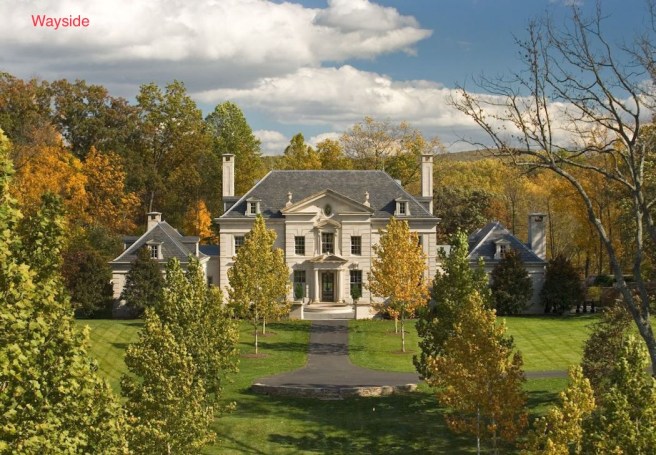
Wayside

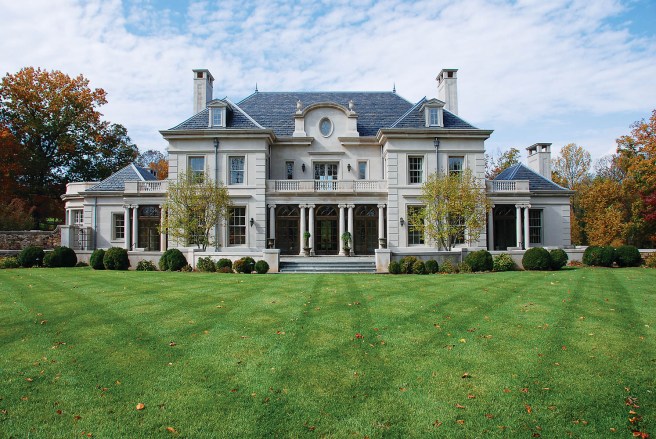
This is Wayside Manor, a 17,000 square foot neo-classical/palladian house completed in 2005 and sited on 100 acres in the Virginia Hunt Country near Middleburg, VA.  The house and landscaping was designed by the Washington D.C.-based firm of Franck & Lohsen. The property is owned by a D.C.-based developer who has built many office buildings for lobbying groups and associations over the years. The clients are big art collectors and lent their collection to the National Gallery of Art for exhibition while the house was being constructed.

If I’d been the client I would have gone with a different paving surface than asphalt (crushed rock?) and hidden the garages away but otherwise this is a great example of the New Classicism movement in residential architecture that started in Europe in the late 20th century after modernist and post-modernist schools ran their course. In the United States, interest in classical architecture was renewed in response to the destruction of classically-designed structures like New York City’s Pennsylvania Station. You don’t know what you’ve got until it’s gone when it comes to iconic buildings. Many architects on both sides of the Atlantic such as Quinlan Terry in the UK and Allan Greenberg in the US have pioneered a new appreciation and appetite for classically-designed houses that are every bit as fetching as the iconic country houses from the 17th or 18th centuries.

Just two miles east of Wayside is another interesting country house, Half Way House, covered in this blog (click here). Also, if you want to learn more about the Virginia Hunt Country and how they preserve its rural character, click here. Wayside Manor is a private home and not open to the public.

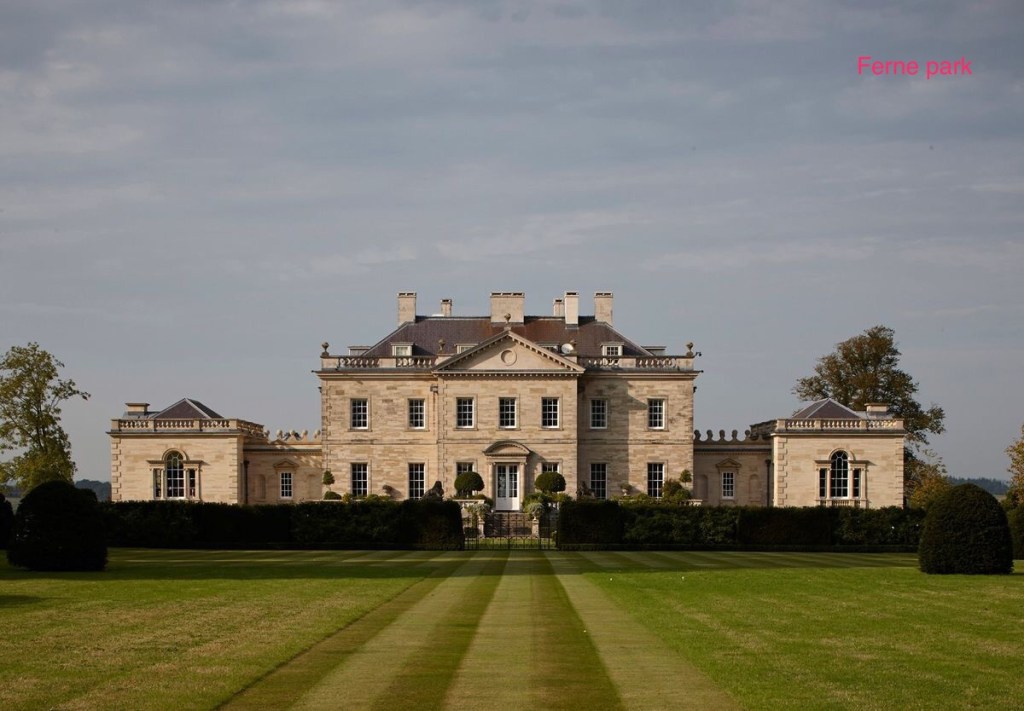
Ferne Park in Wiltshire, England. A great example of the new classicism trend in residential architecture (for those that can afford it). Designed by British architect, Quinlan Terry, the house was built in 2001 and may be the most impressive country house built in the world in the last half century.

Evelynton

Evelynton Plantation is a 2,500 acre agricultural estate situated on a tributary of the James River in Charles City County, Virginia.  Originally a part of the nearby Westover Plantation, Evelynton was carved out and sold to settle the debts of Westover’s profligate master, William Byrd III. After passing through numerous hands, the plantation was purchased at auction in 1847 by Edmund Ruffin, Jr., a member of the aristocratic Ruffin family that traced their history in the Virginia tidewater to the 17th century. Mr. Ruffin named his estate after Evelyn Byrd, the daughter of William Byrd II, the owner of Westover during the early 1700s. The portion of Westover that would become Evelynton had been intended as a dowry for Evelyn when she married. However, Evelyn’s parents were displeased with her choice of husband (a CATHOLIC!!!!!) and refused to allow the marriage. Evelyn retaliated by refusing to marry anyone and she died before the age of 30, some say of a broken heart. Evelyn Byrd is currently a friendly ghost that is occasionally seen at Westover.    

Evelyn Byrd, the namesake of Evelynton

Edmund Ruffin’s father, Edmund Sr. was a noted agronomist who pioneered techniques for renewing agricultural land that had been exhausted by decades of tobacco cultivation.  Ruffin Sr., a die-hard slave owner and secessionist, fought in the Civil War for the Confederacy while in his sixties.  According to contemporary accounts, his outspoken views on slavery and secession were so extreme that they made his fellow Virginia soldiers uncomfortable and he was asked to join another State’s regiment, the South Carolinians.  Despondent about the confederate surrender, he wrapped himself in a Confederate flag and shot himself but not before proclaiming his “….unmitigated hatred to Yankee rule and to all political, social and business connections with Yankees, and to the perfidious, malignant and vile Yankee race.” [He might have found solace living amongst Boston Red Sox fans but the historical record is silent on whether he tried that.]  Adding insult to injury, his son’s house and plantation buildings at Evelynton were burned by Union forces in 1862. Other than land cultivation, nothing happened at Evelynton for the next seven decades.

The plantation stayed in Ruffin family ownership after the war and in 1937, Edmund Ruffin Jr.’s grandson, John Augustine Ruffin and his wife, Mary Saunders Ruffin, flush with an inheritance from Mary’s family, commissioned Duncan Lee, a Richmond architect noted for his expertise in Georgian revival and Colonial designs, to build the handsome manor house that stands on the site today. John Ruffin passed away in 1945 and Mary opened up Evelynton to public tours in the 1950s to help pay the bills. Mary then passed away in 1967 and the house was taken over by their son, Archer Harrison Ruffin. Archer continued to farm Evelynton until his death in 1976 whereupon his brother, Edmund Saunders Ruffin, took over the estate. Edmund was active in the container business in Richmond but retired at Evelynton for the last years of his life. His daughter, Elizabeth Ruffin Harrison, lived nearby and opened the house for tours and events in the mid 1980s so the public could marvel at the Ruffin’s magnificent collection of 18th century American and English furniture and decorative arts. After Edmund passed away in 2002, Elizabeth became the last of the Ruffins at Evelynton when the estate was sold in 2008 closing the door on 161 years of family ownership.

The estate was purchased by John and Jeanine Hinson of Key Biscayne, Florida. John had been a successful real estate investor in the South. The Hinsons lived at Evelynton and continued to lease out the agricultural land for cultivation. Tragically, John Hinson was killed in an automobile accident in September 2021 and the future status of Evelynton is unclear. Although Evelynton has been open for tours intermittently in the last few decades, it is currently a private home and not open to the public.
Lochiel

Current view of the entrance front

This beautiful, perfectly proportioned Georgian revival house is known as Lochiel (low-HEEL). For correct pronunciation, say the “ch” like you’re trying to cough up a hair that is stuck in your throat. Lochiel is located near Gordonsville, Virginia on a 76 acre estate. It was designed by the New York architect Percy Griffin. The landscape design was produced by Charles Gillette of Richmond, VA. Mr. Gillette is responsible for many notable landscape designs in Virginia including Verulam (click here) and Tiverton (click here). Lochiel refers to a place in Scotland that was the home of the chieftain of the Cameron clan, whose descendants were responsible for building this house. The design of Lochiel is unique in that the house is only one room deep. This provided cross breezes and sunlight no matter the day or time.
Garden front, 1935

Lochiel was commissioned by Flora Cameron, the daughter of Alexander Cameron, a Richmond tobacco products manufacturer. Flora had been living in the nearby Gaston Hall with her husband, George Zinn, but after they divorced in 1913, Flora built Lochiel on the grounds of the Cameron family estate. Flora and George were remarried in 1926 but George died three years later followed by their son and only child, George Jr., a year after that (plane crash). Fun fact about Flora: one of her uncles was the son of Confederate general Robert E. Lee. Flora lived until age 97 (64 of those years at Lochiel) passing away in 1980. Lochiel was sold for $750,000 in 1983 and since then has had a couple of owners. It appears that the present owners split their time between Virginia and the Virgin Islands (flying on Virgin Airways perhaps?). Lochiel is still a private home and is not open to the public.

Entrance drive and front of house, 1981
Front of house, 1981
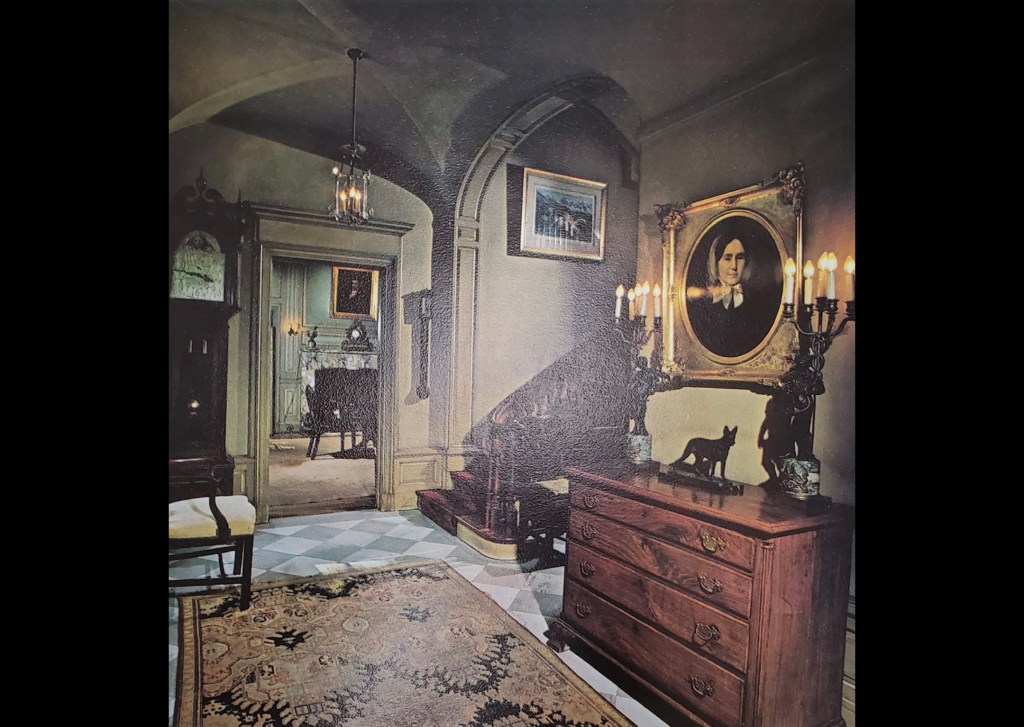
Entry hall, 1981
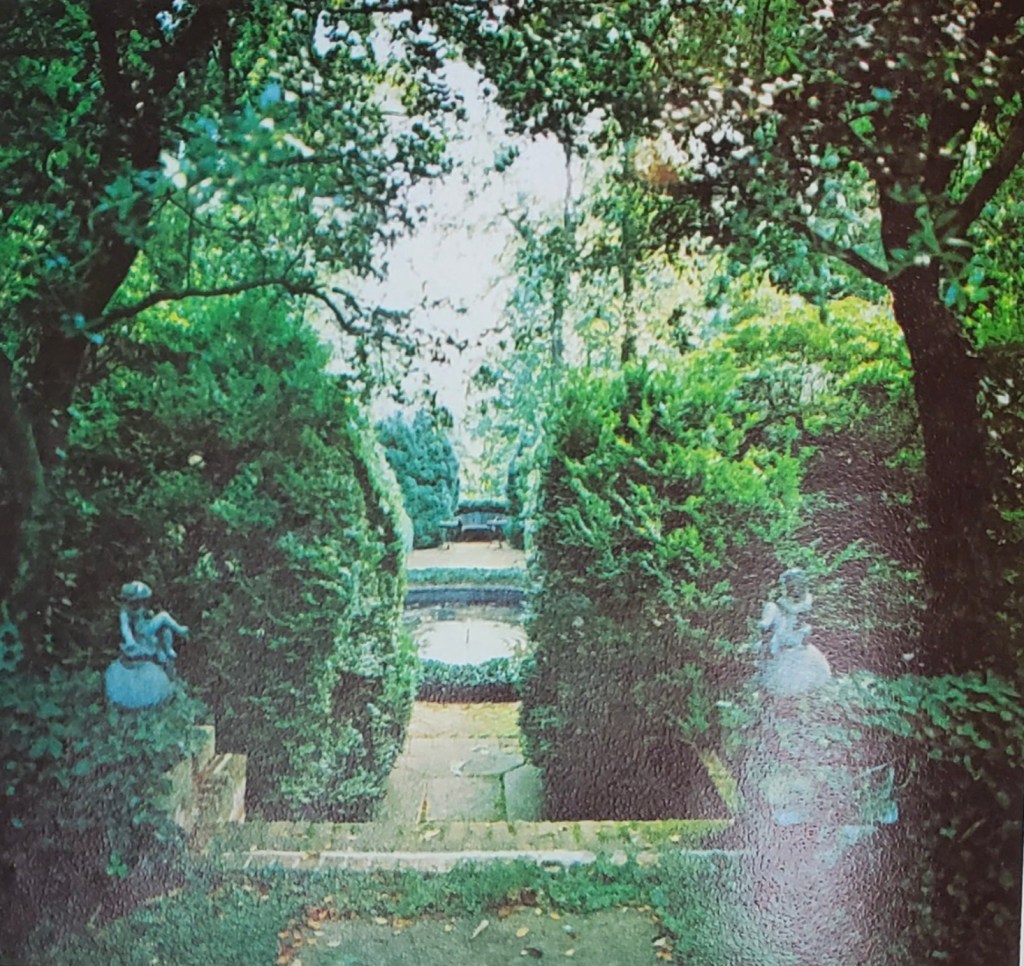
Formal gardens, 1981
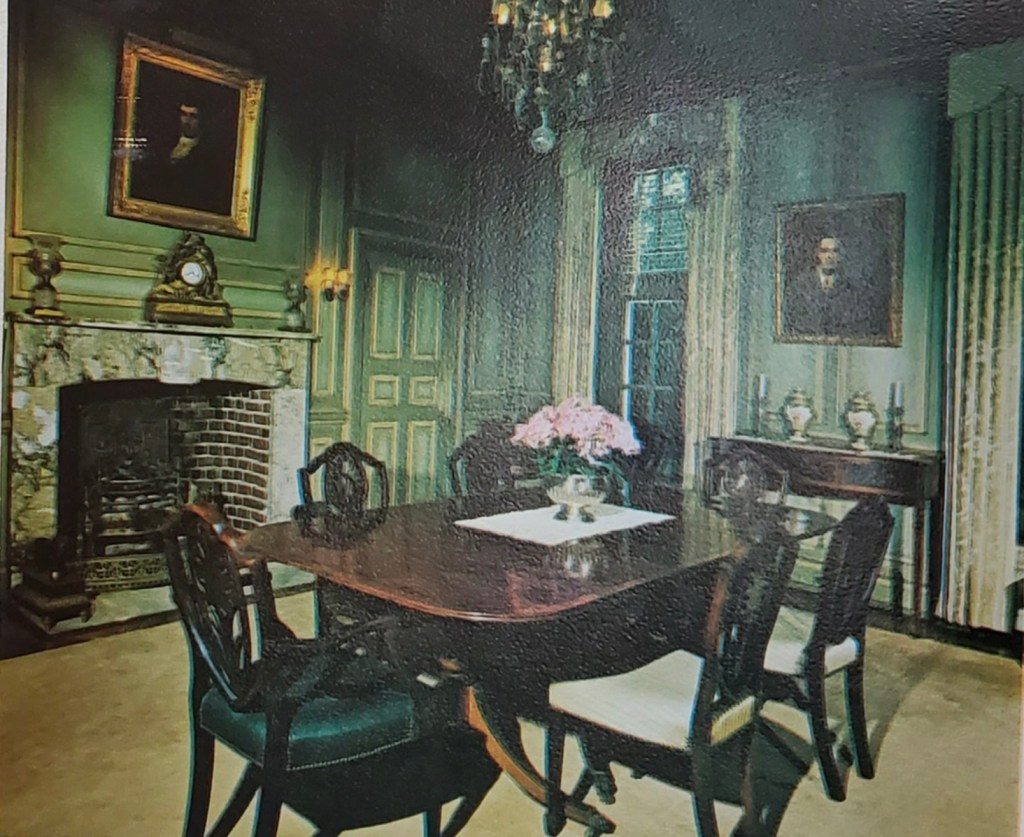
Dining room , 1981
View towards pastureland, 1981

Pictures courtesy of Orange County Historical Society and Dandridge Sterne