Evelynton

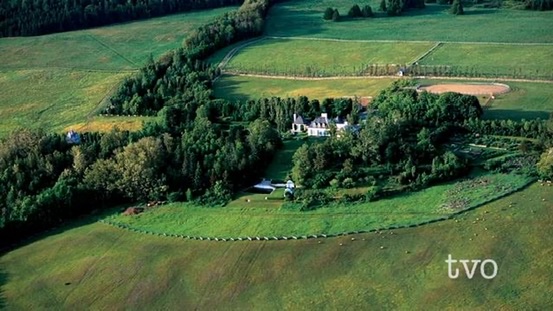
Evelynton Plantation is a 2,500 acre agricultural estate situated on a tributary of the James River in Charles City County, Virginia.  Originally a part of the nearby Westover Plantation, Evelynton was carved out and sold to settle the debts of Westover’s profligate master, William Byrd III. After passing through numerous hands, the plantation was purchased at auction in 1847 by Edmund Ruffin, Jr., a member of the aristocratic Ruffin family that traced their history in the Virginia tidewater to the 17th century. Mr. Ruffin named his estate after Evelyn Byrd, the daughter of William Byrd II, the owner of Westover during the early 1700s. The portion of Westover that would become Evelynton had been intended as a dowry for Evelyn when she married. However, Evelyn’s parents were displeased with her choice of husband (a CATHOLIC!!!!!) and refused to allow the marriage. Evelyn retaliated by refusing to marry anyone and she died before the age of 30, some say of a broken heart. Evelyn Byrd is currently a friendly ghost that is occasionally seen at Westover.    

Evelyn Byrd, the namesake of Evelynton

Edmund Ruffin’s father, Edmund Sr. was a noted agronomist who pioneered techniques for renewing agricultural land that had been exhausted by decades of tobacco cultivation.  Ruffin Sr., a die-hard slave owner and secessionist, fought in the Civil War for the Confederacy while in his sixties.  According to contemporary accounts, his outspoken views on slavery and secession were so extreme that they made his fellow Virginia soldiers uncomfortable and he was asked to join another State’s regiment, the South Carolinians.  Despondent about the confederate surrender, he wrapped himself in a Confederate flag and shot himself but not before proclaiming his “….unmitigated hatred to Yankee rule and to all political, social and business connections with Yankees, and to the perfidious, malignant and vile Yankee race.” [He might have found solace living amongst Boston Red Sox fans but the historical record is silent on whether he tried that.]  Adding insult to injury, his son’s house and plantation buildings at Evelynton were burned by Union forces in 1862. Other than land cultivation, nothing happened at Evelynton for the next seven decades.

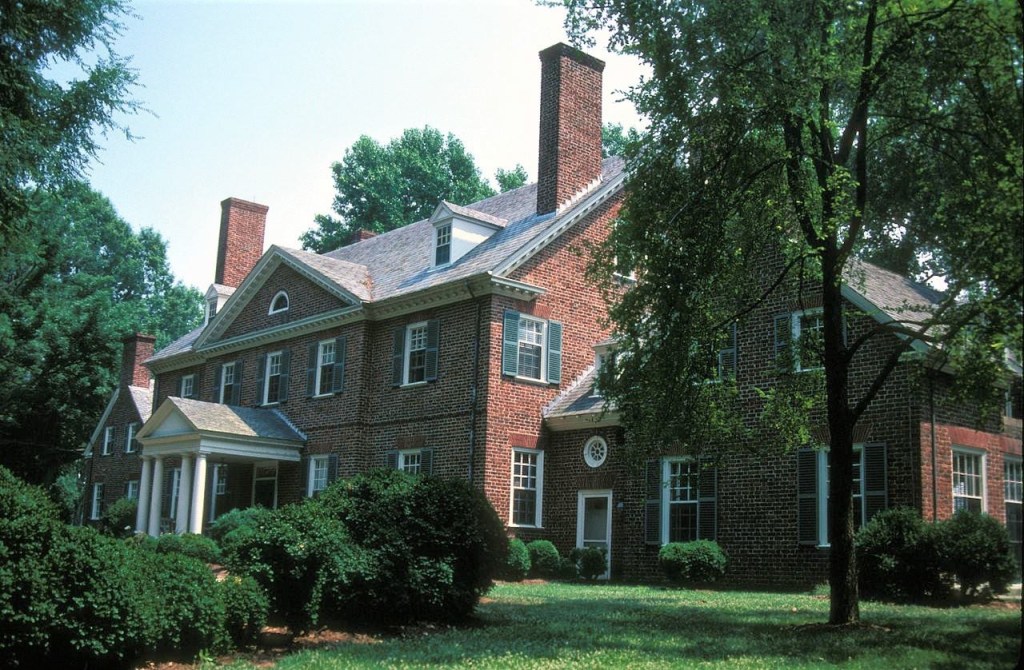
The plantation stayed in Ruffin family ownership after the war and in 1937, Edmund Ruffin Jr.’s grandson, John Augustine Ruffin and his wife, Mary Saunders Ruffin, flush with an inheritance from Mary’s family, commissioned Duncan Lee, a Richmond architect noted for his expertise in Georgian revival and Colonial designs, to build the handsome manor house that stands on the site today. John Ruffin passed away in 1945 and Mary opened up Evelynton to public tours in the 1950s to help pay the bills. Mary then passed away in 1967 and the house was taken over by their son, Archer Harrison Ruffin. Archer continued to farm Evelynton until his death in 1976 whereupon his brother, Edmund Saunders Ruffin, took over the estate. Edmund was active in the container business in Richmond but retired at Evelynton for the last years of his life. His daughter, Elizabeth Ruffin Harrison, lived nearby and opened the house for tours and events in the mid 1980s so the public could marvel at the Ruffin’s magnificent collection of 18th century American and English furniture and decorative arts. After Edmund passed away in 2002, Elizabeth became the last of the Ruffins at Evelynton when the estate was sold in 2008 closing the door on 161 years of family ownership.

The estate was purchased by John and Jeanine Hinson of Key Biscayne, Florida. John had been a successful real estate investor in the South. The Hinsons lived at Evelynton and continued to lease out the agricultural land for cultivation. Tragically, John Hinson was killed in an automobile accident in September 2021 and the future status of Evelynton is unclear. Although Evelynton has been open for tours intermittently in the last few decades, it is currently a private home and not open to the public.
Les Quatre Vents

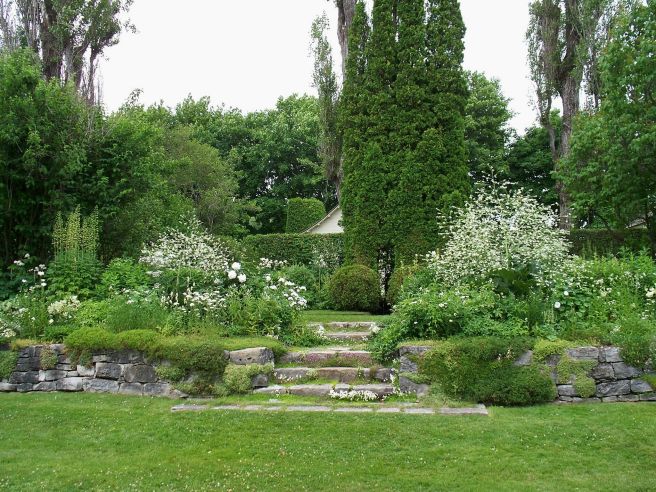
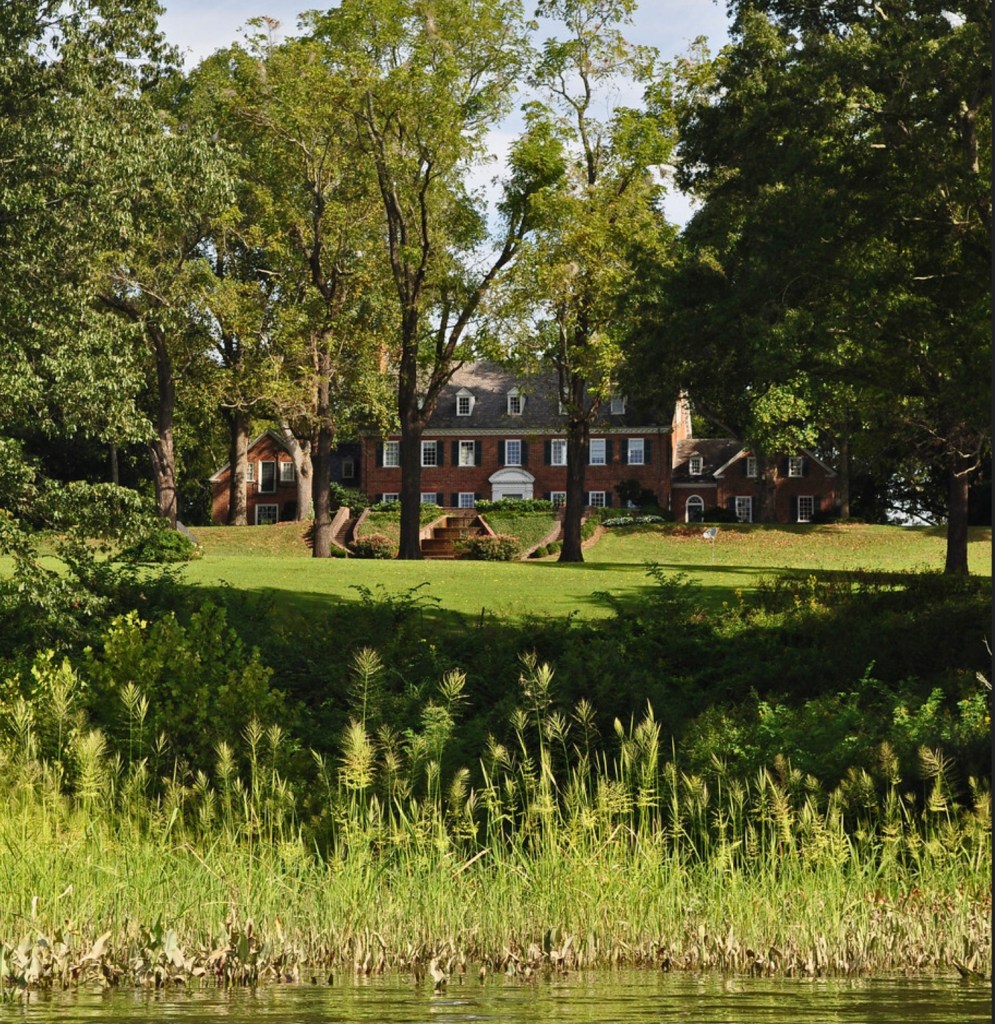
Les Quatre Vents (pronounced lay KAT-ruh vah)(translation: the four winds) is almost unknown outside gardening circles. But among gardeners and horticulturists it has a mythical reputation. Les Quatre Vents is a 200 acre estate a few miles northeast of La Malbaie, Quebec overlooking the St. Lawrence River. The property that became Les Quatre Vents was purchased in 1902 as a vacation retreat for a branch of the Cabot family. The Cabots were one of the leading families of Boston, the so-called Boston Brahmins. They and the other Boston Brahmins established themselves in New England in the 18th century and grew wealthy from trading and shipping. Typical trading runs for New England-based traders in the 17th and 18th century included West Indian sugar and rum to colonial America, American tobacco to Europe, African slaves to the West Indies, and Chinese tea, silk and porcelain to Europe. It also included one particularly lucrative trade: Turkish opium to China, sort of the early American version of the Sinaloa Cartel. The Cabots moved on from shipping, slaving and drug running to politics producing U.S. senators and ambassadors. The Cabots were big political rivals of the Kennedys in the mid 20th century and competed for Massachusetts senatorial seats in Congress.

The chateauesque manor house on the property was designed by New York architect Frederick Rhinelander King to replace an earlier 1928 house that burned down in 1956. The current house was completed in 1959. An interesting side note regarding Mr. King is that he competed in the 1936 Berlin Olympics back when architecture and other art forms were actual medal events. In 1965, Francis “Frank” Higginson Cabot inherited Les Quatre Vents and undertook the gradual creation of the incredible landscape garden that exists today. Frank was Harvard-educated and worked on Wall Street for many years before deciding that his true gift was landscape architecture and horticulture. Frank and his wife, Anne, had already created an outstanding garden at their weekend retreat outside of New York City, called Stonecrop Garden, that is now open to the public. In 1975, they moved to Les Quatre Vents full-time and devoted their retirement to developing the gardens. Frank was a true plant hunter and travelled around the world looking for specimens to try out at Les Quatre Vents.

One of Frank and Anne’s major achievements was the creation of The Garden Conservancy in 1989. The Conservancy is a non-profit organization dedicated to preserving notable gardens, both private and public, for the enjoyment of future generations. They do this through grants and advocacy and, to date, have been instrumental in preserving more than 100 gardens in 26 states and provinces, gardens that might have otherwise fallen victim to development once their gardener-creators had passed away.

Frank Cabot passed away in 2011 but Les Quatre Vents is still in the family and they continue to pursue Frank’s vision. Les Quatre Vents is not open to the public although they do conduct tours four or five days each summer. Tour tickets are reportedly very difficult to get and require advance planning. For anyone interested in getting a close look at Les Quatre Vents, an excellent documentary about the Cabots and their garden, called The Gardener, was produced in 2018 and can be seen on YouTube here. In addition, Frank Cabot wrote a book about Les Quatre Vents loaded with beautiful photos of the gardens called The Greater Perfection (out of print but available on Amazon for several hundred dollars).

Grey Towers

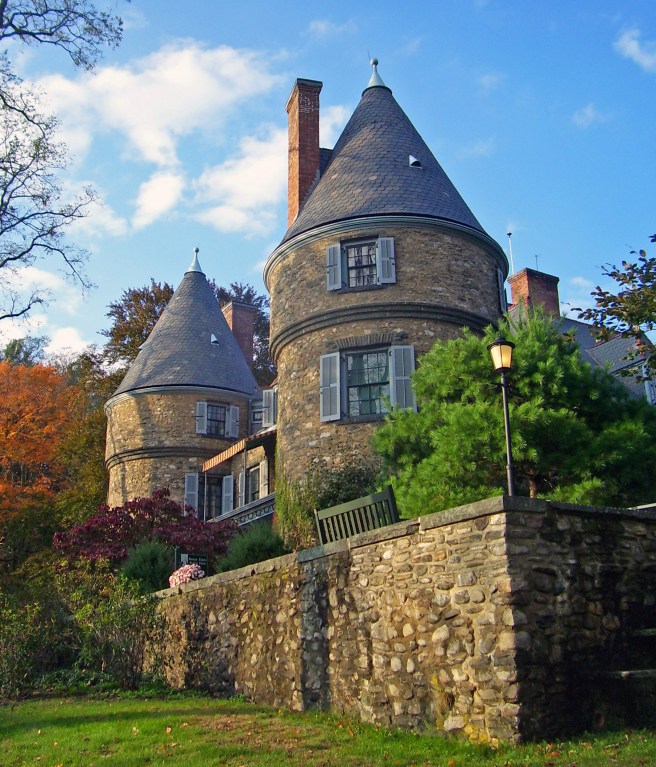
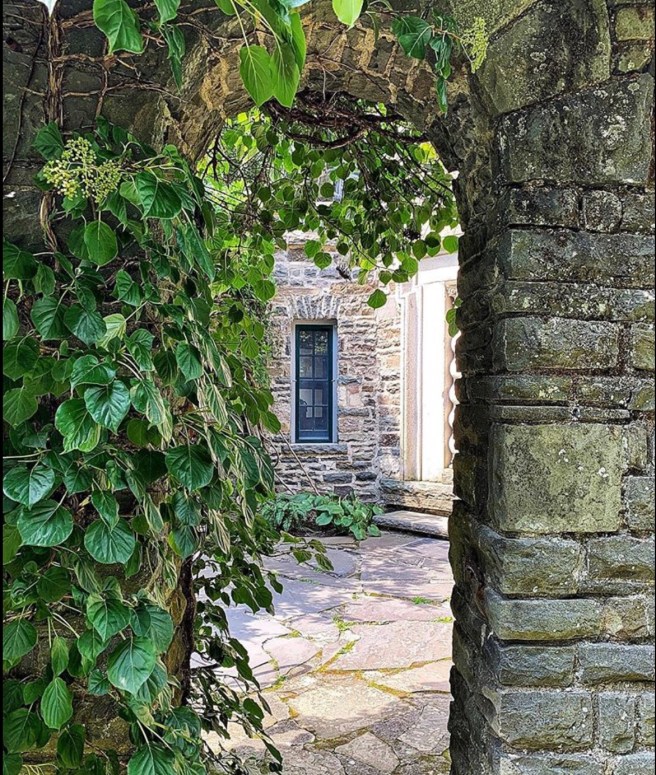
This French Norman-style house is Grey Towers.  It sits on a 102 acre estate outside Milford, Pennsylvania.  It was built in 1886 by James Pinchot, a successful New York City wallpaper merchant and his wife, Mary. James grew up in Milford and moved back after retiring from business to raise his family.  The house was designed by Richard Morris Hunt (who designed many gilded age mansions such as Biltmore) and the grounds included contributions by Frederick Law Olmsted, the most influential American landscape architect of the 19th century.  

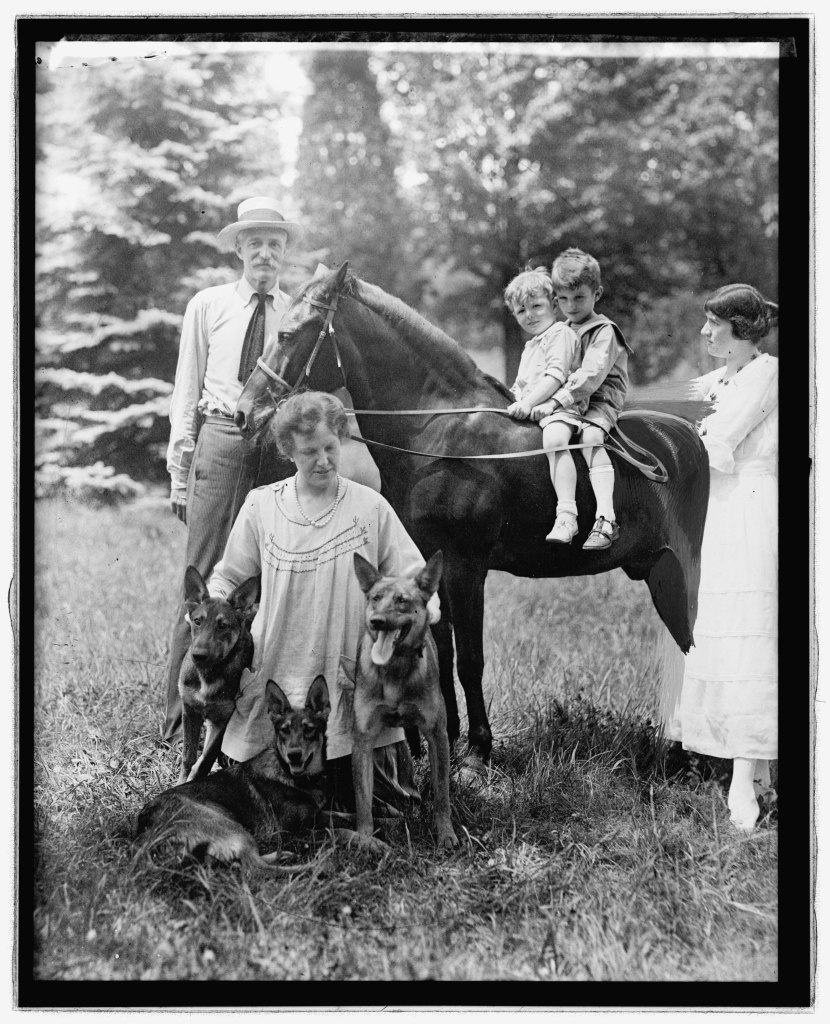
The Pinchots lived at Grey Towers for many years before James passed away in 1908 followed by Mary in 1914. The Grey Towers estate was split between their sons, Amos and Gifford with the latter taking the house. Gifford was a graduate of Yale University with a degree in forestry and also studied forestry in France. His first job after returning from France was managing the forests on the Biltmore Estate, the North Carolina home of George Washington Vanderbilt. He attracted the attention of Presidents William McKinley and Theodore Roosevelt who appointed him as the first head of the U.S. Forest Service. In this role, Pinchot was a staunch conservation advocate and fought against the industrial forestry practices that characterized the Forest Service during most of the 20th century.

The Pinchots at Grey Towers, 1921

After leaving the Forest Service in 1910, Gifford served as Governor of Pennsylvania for two terms. Cornelia was active in the women’s suffrage movement and was a major donor to the NAACP. She was a close friend of Teddy Roosevelt and shared his passion for progressive causes. She also tried her hand at politics but was unsuccessful in runs for Congress and the Pennsylvania Governorship. The Pinchot family used Grey Towers mostly as a summer home. Gifford passed away in 1946 followed by Cornelia in 1960. Their son, Gifford Jr., donated Grey Towers to the U.S. Forest Service as a house museum and a conference/educational center focusing on conservation. Grey Towers is the only non-forest asset managed by the Forest Service. The house and gardens are open to the public on a daily basis. Click here for more info on Grey Towers or here for a YouTube video showing scenes from Grey Towers.

Gifford Pinchot’s legacy of forest stewardship lives on today. The Gifford Pinchot National Forest in Washington State is named after him along with several other natural and geographic features around the U.S. The Giffords son, Gifford Jr., helped found the Natural Resources Defense Council (NRDC), one of the preeminent environmental legal advocacy organizations in the U.S. today.